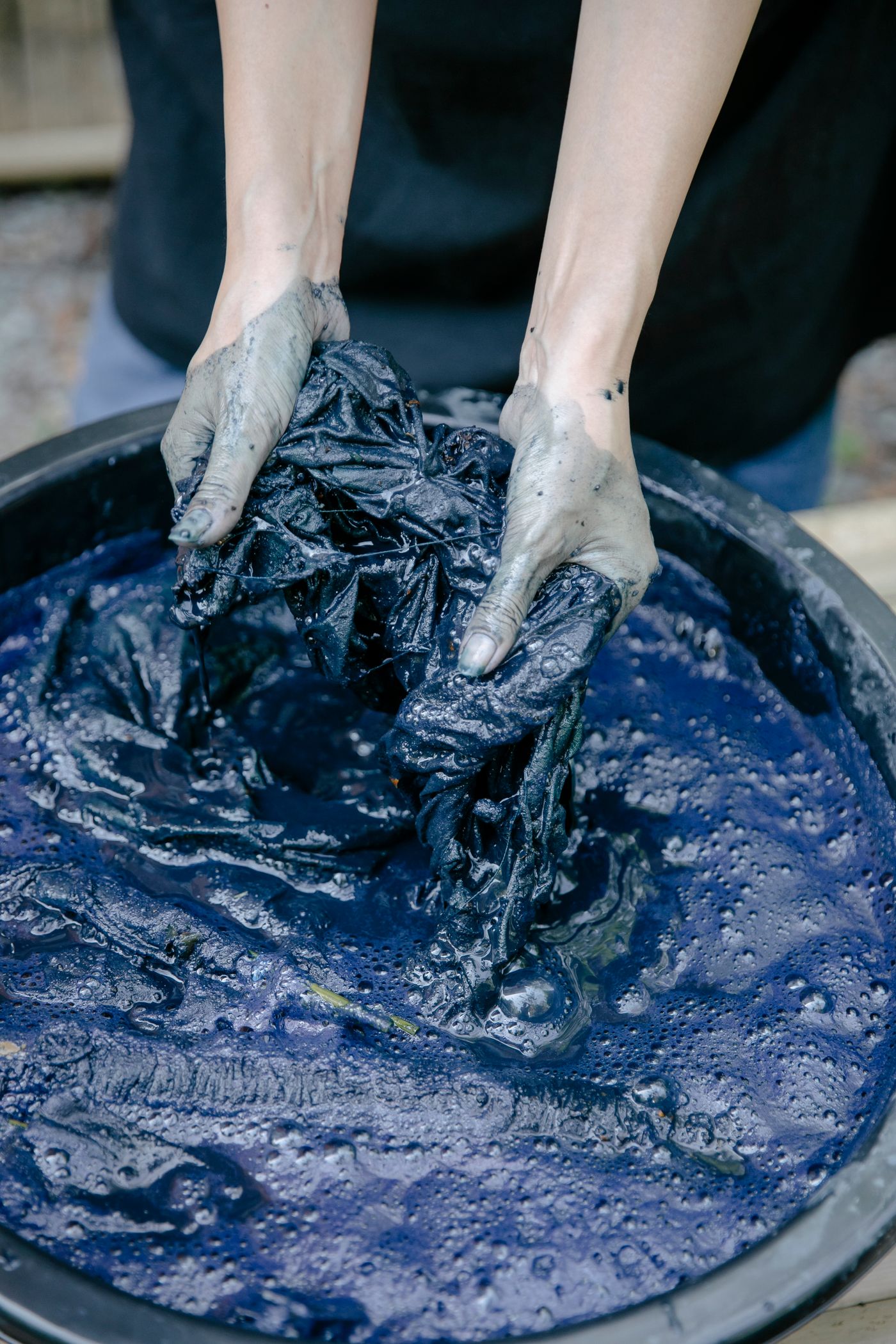
A separate laundry basin is useful only when the whole hand-washing route works: fill, use, empty, dry and store. A bathroom sink avoids another container but temporarily removes shared sink access.
Confirm that the textile permits hand washing first. Then compare the actual working space, the water route and what happens when the item leaves the vessel.
Establish the permitted care first
Read the whole item’s care information, including any trim, lining, filling, or special restrictions. A fabric that feels delicate does not automatically require hand-washing, and hand-washing is not automatically permitted for an item marked against washing. Resolve uncertain instructions before choosing a convenient container and filling it with water.
Woolmark’s care-symbol guide makes checking the garment label its starting rule. It distinguishes permitted machine care, hand-washing, and do-not-wash claims for wool items. Use the actual garment’s instructions rather than transferring a generic wool routine to every fabric, or assuming the same symbol can be ignored because you intend to be gentle.
If machine washing is permitted, consider whether you need a hand-washing arrangement at all. Our mesh laundry-bag review discusses another accessory within a suitable laundry routine. A bag does not convert an unsuitable machine method into an appropriate one, just as a separate basin does not establish that an item may be washed by hand.
Compare the complete hand-washing setup
| Decision | Separate suitable basin | Bathroom sink |
|---|---|---|
| Usable interior | Check the inside shape, not only exterior dimensions | Account for the bowl depth, faucet and fittings |
| Shared-room access | Needs an appropriate supported working position | Needs an agreed time when the sink can be unavailable |
| Filling and emptying | Check whether moving the filled vessel is permitted and manageable | Check that the fixture and chosen products suit the task |
| After use | Clean, dry and store the vessel as directed | Restore the fixture and surrounding area appropriately |
| Wet textile’s next step | Both need the item’s permitted water-removal and drying arrangement ready first | |
Choose the sink for an occasional suitable task when the item fits and shared access can be spared. Consider a basin when it solves a specific working-space or separation problem and has a complete emptying and storage plan. Choose another permitted care arrangement if neither option supports the textile.
A collapsible carrier is not automatically a watertight wash tub. Check intended use before substituting one. For a small laundry corner, reserve the working area and the drying layout before adding equipment.
Decide how much shared sink time is realistic
A bathroom sink may be the most convenient water source and also the only place several people use during the morning routine. Choose an interval when taking it out of normal use is workable. Do not leave a garment in the basin for an improvised long soak while other household members wait for access.
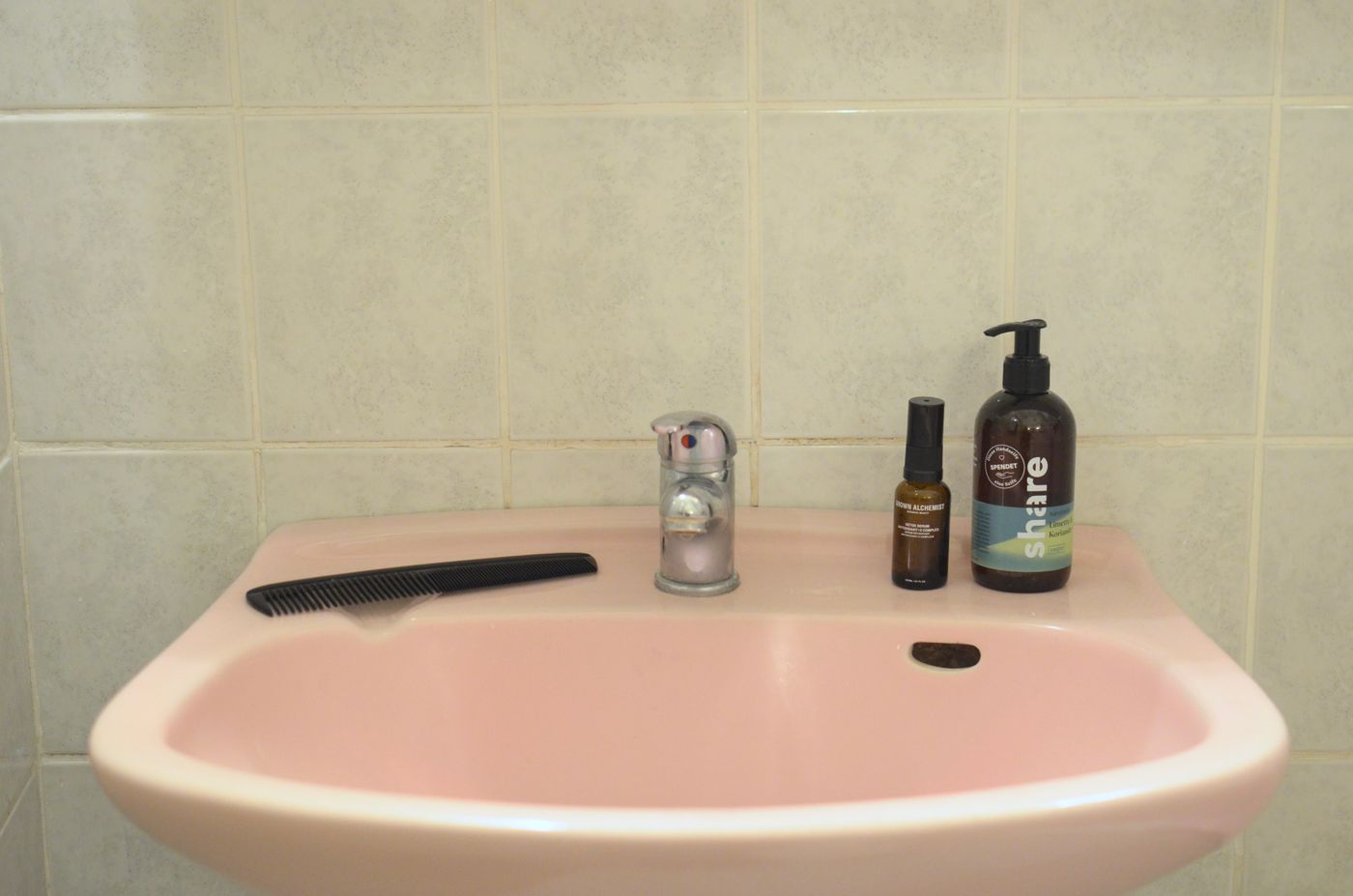
If the sink needs appropriate cleaning before or after the laundry task, include that work in the comparison. Use methods suitable for the fixture and the garment, keeping unrelated bathroom products out of the task. A clean-looking photograph does not confirm that a sink has been prepared for your actual item or that its existing products are suitable laundry supplies.
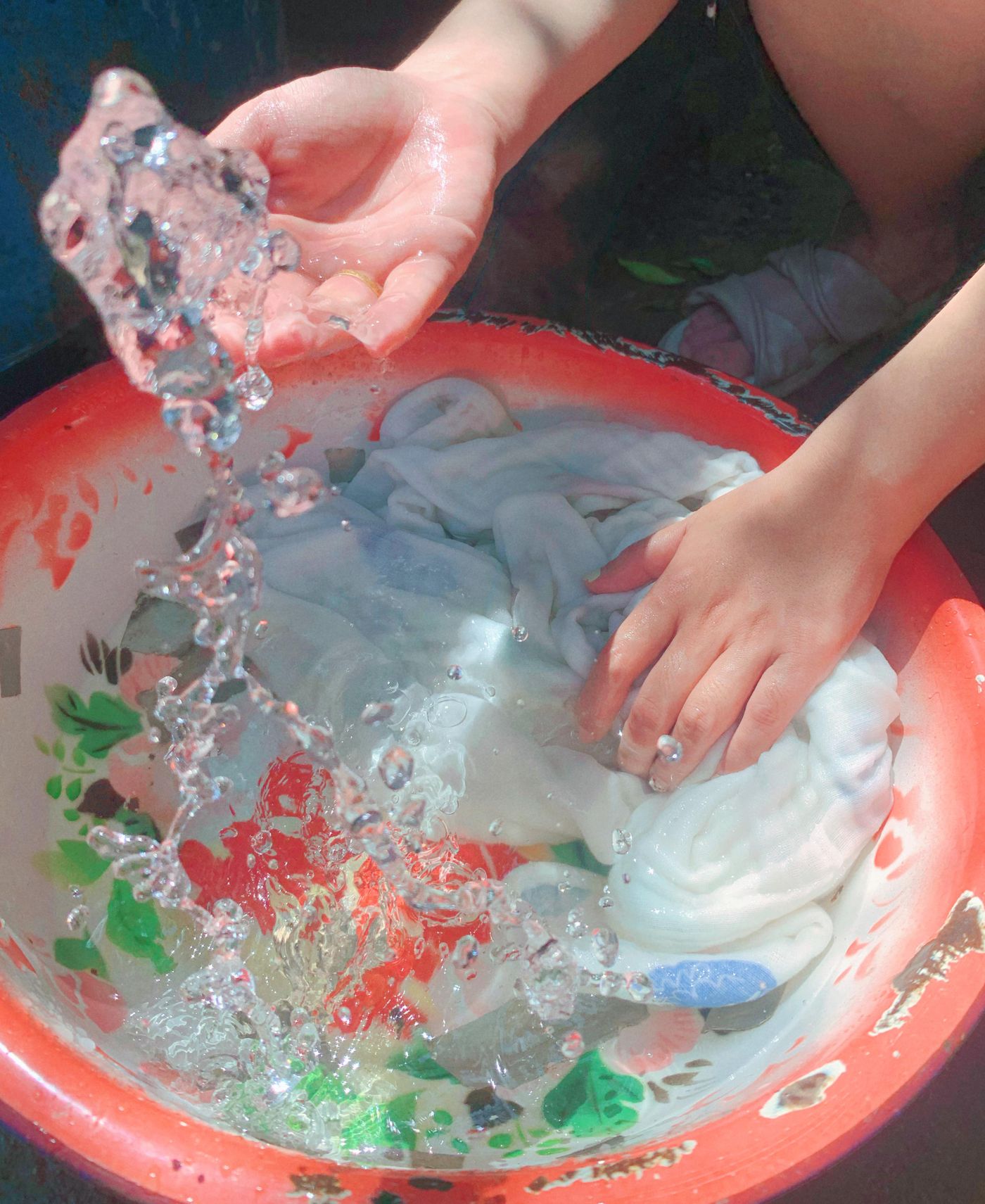
A separate basin may help release the sink sooner, but only if you have another appropriate supported place to use it. Moving a filled tub onto an unsuitable floor, upholstered seat, or crowded counter does not complete the plan. Compare the actual location, not the idea that a portable container can go anywhere.
Follow the water from filling to emptying
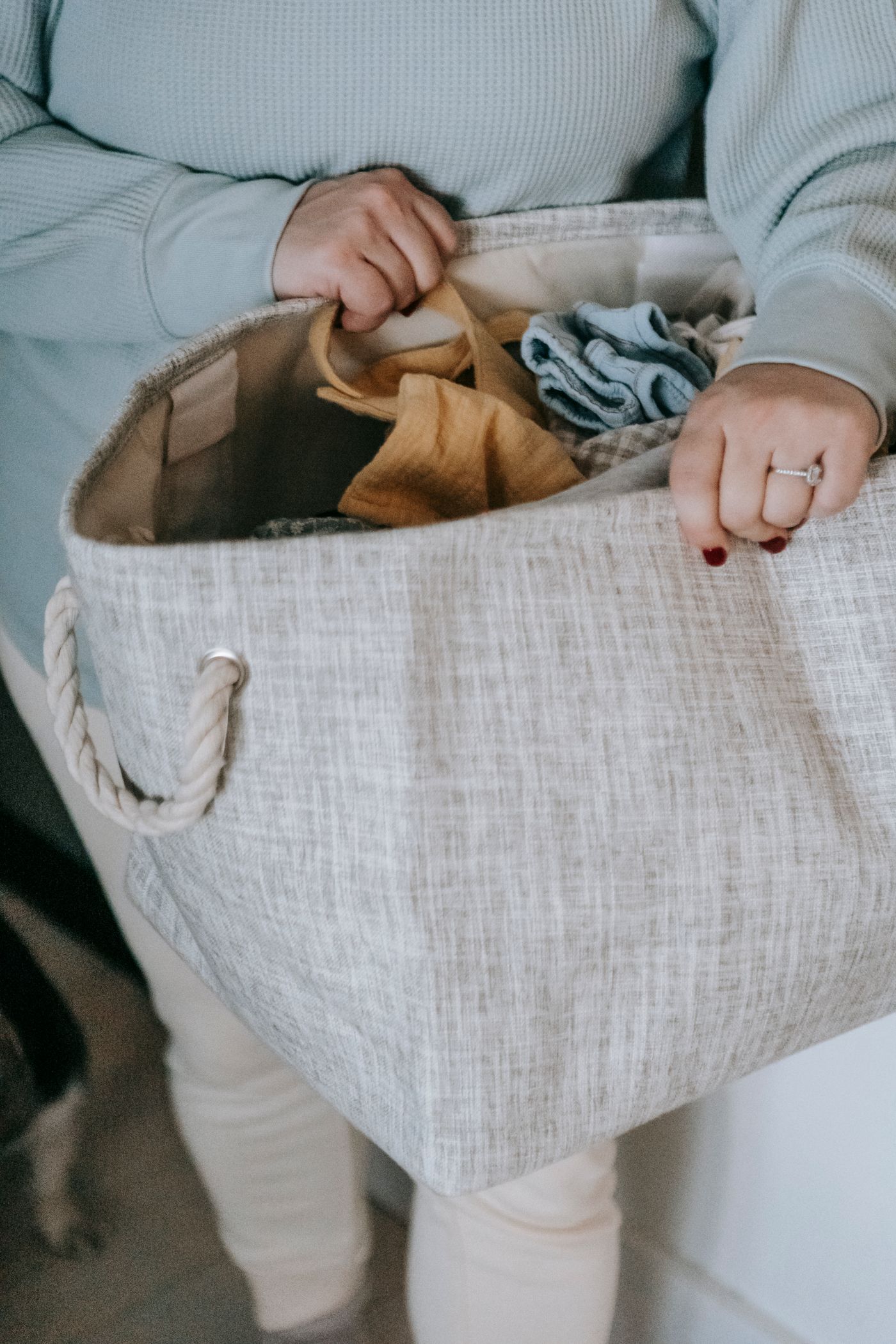
Identify where the vessel will be filled and where it will be used. If it needs to move, consider the complete weight and your own comfortable handling. Choose a manageable arrangement and follow the basin’s instructions. Do not assume a collapsible wall, flexible handle, or decorative rim is intended for carrying a filled load.
Keep the planned route clear and the receiving surface appropriate. A portable basin can be useful when the suitable working position is near the water source. Its advantage is weaker if every hand-washing session requires carrying a bulky filled container through the living room, then finding another way to empty it.
Our shared-laundry trip guide can help consider the wider route when washing facilities are outside the apartment or used by several households. A private basin may solve one task while leaving filling, permitted use, and emptying unresolved. Check the actual facilities and household arrangement rather than treating ownership of a tub as the complete solution.
Plan emptying through an appropriate route for the actual cleaning products and textile care involved. Follow their directions and local requirements where relevant. This article does not establish that every solution can go into any available drain or be poured outside. The disposal decision belongs with the chosen care method, before the vessel is full.
Provide a suitable next step for wet items
Hand-washing does not finish when the cleaning solution is emptied. Follow the garment directions for rinsing, removing excess water, reshaping, and drying. A separate bowl does not remove the need for an appropriate surface or support afterward, and a bathroom sink cannot remain the default waiting place for every wet item.
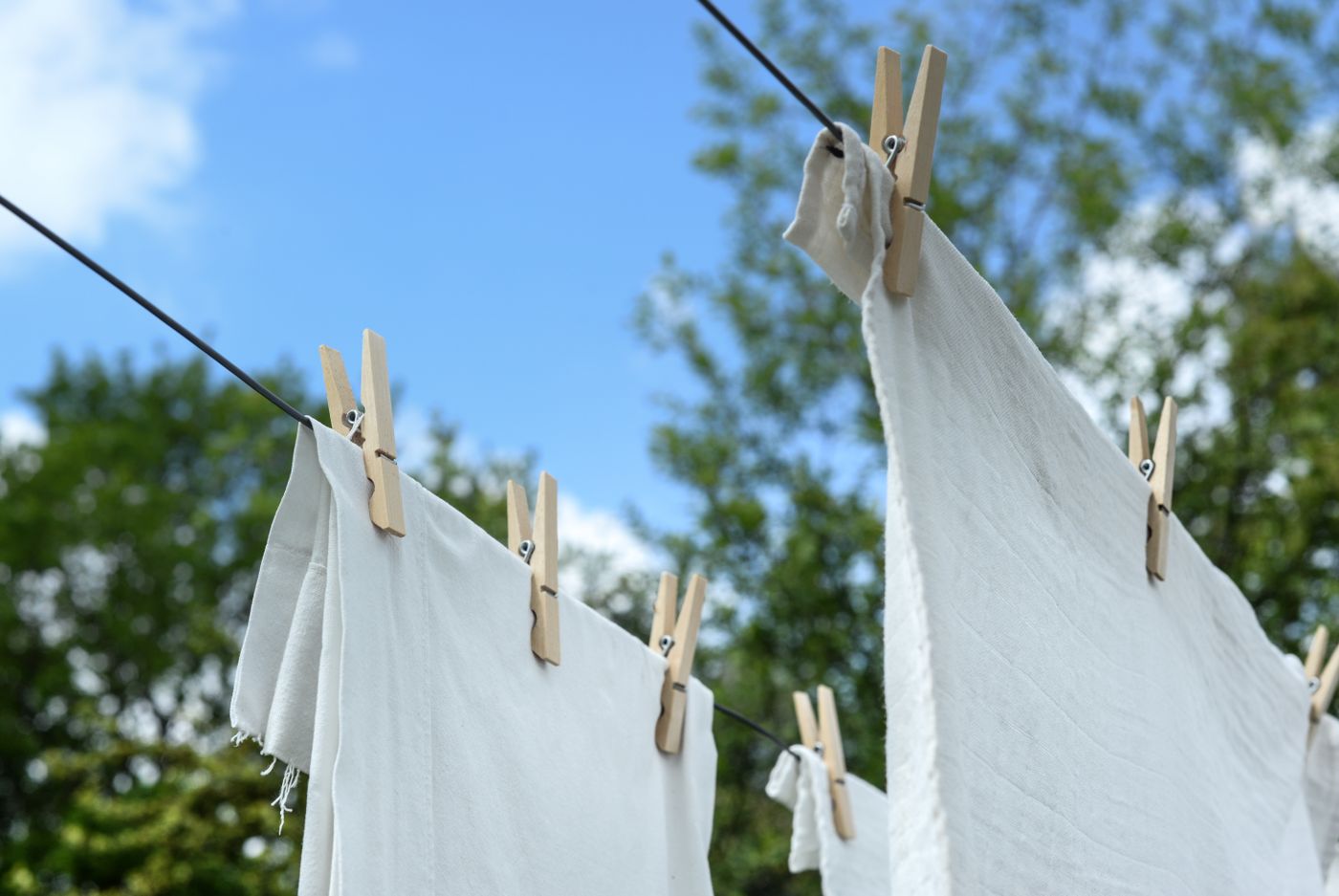
Our drying-rack comparison can help assess a suitable drying arrangement when hanging is appropriate. Some items require another method, so do not infer a drying instruction from the rack or clothesline in an illustrative photograph. The pictured fabrics are not authenticated examples of your garment’s material or care requirements.
Prepare the next position before starting the wash. That avoids carrying a wet item around the home while deciding where it might go. If the permitted drying arrangement is unavailable today, choosing another time can be more useful than buying a basin that only advances the task to a new unfinished stage.
Compare care and storage of the vessel
A dedicated basin needs its own appropriate cleaning, drying, and storage after use. Check the actual construction and instructions, including any folding mechanism, drain, or removable part. Do not close a collapsible unit simply to make it disappear while its permitted care is still unfinished.
Measure the full stored form rather than relying on a thin-looking product photograph. Include handles and any parts that remain attached. Choose a suitable home that does not block access to everyday laundry supplies. A container used occasionally should not require moving a full cupboard of cleaning products each time it comes out.
Our collapsible laundry-basket comparison illustrates another distinction between a working load and a stored shape. Keep the intended uses separate: a basket described for carrying laundry is not automatically a watertight hand-washing vessel. A flexible or collapsible appearance does not make two products interchangeable.
Choose the routine you can finish comfortably
Use the bathroom sink when the item’s care permits it, the bowl and fixture suit the task, and the household can reasonably spare the access. Choose a dedicated suitable basin when it improves the complete working arrangement and has an appropriate route and storage home. Neither option is universally better for a small home.
Before buying, identify the problem the tub would solve: usable interior space, separation from personal-care tasks, a more convenient supported position, or something else specific. If the existing sink already supports occasional permitted hand-washing without conflict, keeping it may be enough. The useful choice is the one that takes the actual textile from suitable care through drying and return, without leaving a second unfinished task in the laundry area.
Explore related decisions in our Buying Guides hub.