
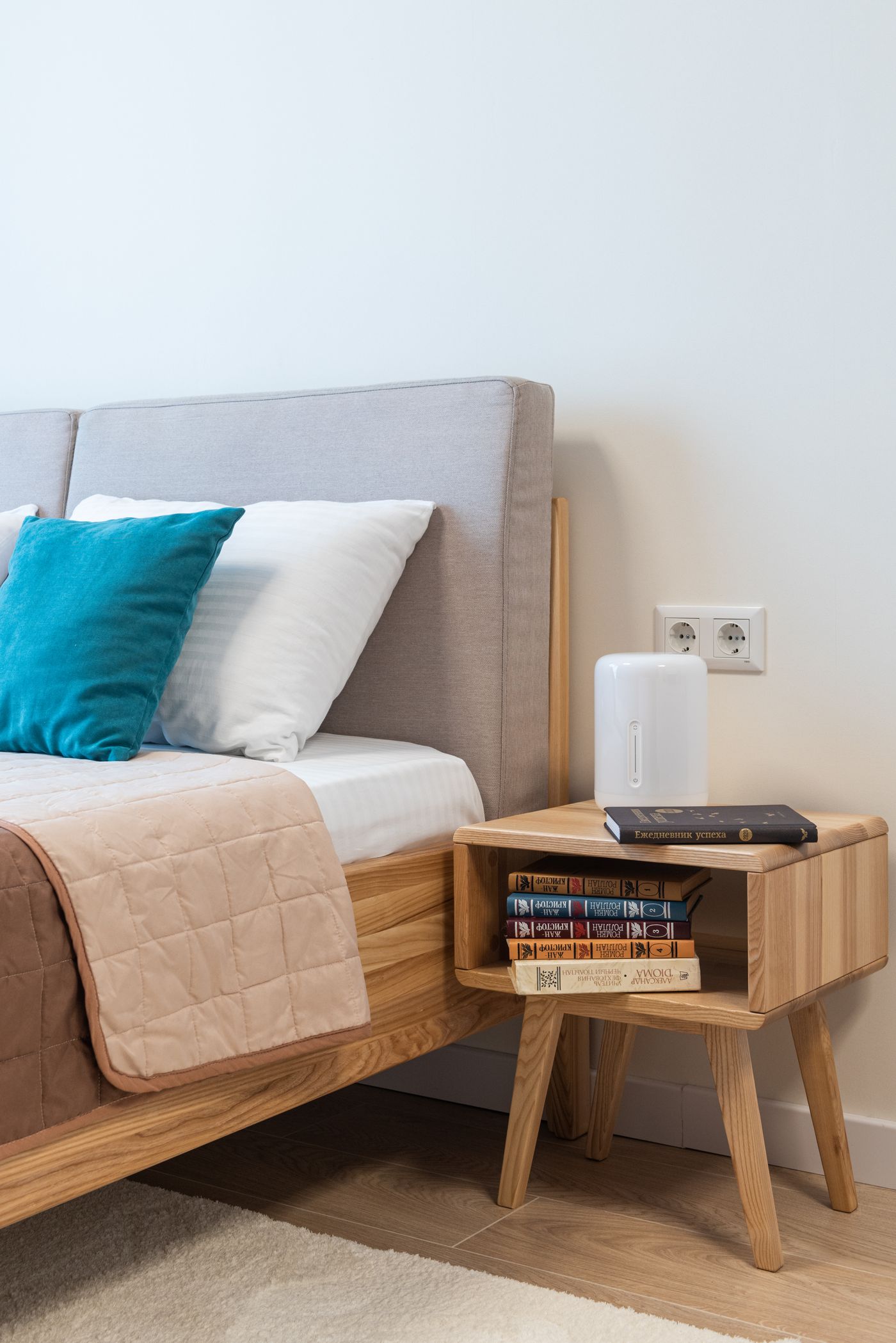
Keep one book ready for tonight, give paused books a separate place, and let finished or abandoned reading leave the bedside queue. That small distinction makes a half-read collection easier to use without imposing a reading schedule on your free time. The book beside the lamp should be a real choice, not the top layer of a growing obligation.
Pinterest’s fall 2026 creator report highlights a return to hands-on, screen-free hobbies. This bedside arrangement is an editorial response to that interest in analog time. It does not claim that a particular novel, organizer, or reading challenge is currently trending.
You can enjoy several books at once. A light novel, a collection of essays, and a reference book serve different moods. The organizing problem begins when every unfinished book stays in the nearest convenient spot, including books you no longer intend to resume.
Separate ownership from reading status
First identify which books belong to you and which must go back to someone else. A library deadline or a friend’s expected return is a separate commitment from the choice of what to read tonight. Keep that distinction visible before making a comfortable-looking stack.
Our borrowed-book return system handles the copies that need to leave the home. Use it for those books even if you are halfway through them. Do not bury a borrowed copy in an indefinite paused pile and assume the reading queue will remind you of its deadline.
For books you own, use three ordinary descriptions: reading now, paused with an intention to return, and finished with for now. The last group can include books you have completed and books you have decided to stop. You do not need to defend the decision to stop before you can clear the bedside table.
Choose tonight's book before arranging the rest
Pick the book you are most likely to open at the next reading session. Put it where you can reach it comfortably from your normal position. Keep the lamp control, water if you use it, and any essential personal items accessible. A book arrangement should not claim the whole useful surface.
If you regularly choose between two kinds of reading, allow two active books. For example, a novel and a short essay collection may both be realistic choices. The number should reflect actual use and available space rather than the number of attractive covers you would like to display.
Avoid deciding that a larger bedside table is necessary just because the stack has grown. Try removing the books that do not belong in the active group first. Our prime-storage method helps explain why the easiest-to-reach spot should serve the next action rather than the largest category of possessions.

Give paused books a reason to stay paused
A useful pause has a simple explanation you will recognize later: waiting for a quieter weekend, taking a break from a demanding subject, or returning after another volume. A book that stays merely because you feel guilty about it is a different decision. Move it out of the active queue and reconsider whether you want to keep reading it at all.
Put a brief restart note on a separate bookmark if it will help. “Begin again at the next chapter” may be enough. For a complicated story, one or two words about the current character or topic can prevent a long search through earlier pages. Keep the note short enough that writing it does not become another reading project.
Do not force a restart date when the pleasure of reading depends on flexibility. You can review the paused group when you finish a book or choose a new one. The trigger is a natural choice point, not a weekly homework appointment that adds pressure to an enjoyable activity.
Mark the place without creating a second collection
Use a suitable bookmark that does not strain the binding or damage the paper. Avoid leaving thick objects inside a closed book. If the copy belongs to someone else, follow their rules and keep adhesive notes or annotations out unless explicitly permitted.
One bookmark can carry both your place and a short restart note. You do not need a separate notebook recording every unfinished title unless that is something you enjoy using. A tracking system is useful when it makes returning easier; it is less useful when it delays the moment you open the book.
Keep a spare bookmark in one obvious place if you often need one. Do not allow scraps, receipts, and loose notes to accumulate around the bed as potential markers. Choose an appropriate piece and let the rest return to their real destinations.
Put the paused group close enough to revisit
Choose an existing shelf or other suitable storage position that you can check without unpacking a box. Keep the books supported in a way appropriate to their construction. The aim is a small visible selection of genuine possibilities, not a hidden waiting room for every book you have ever started.
Separate books that are actively paused from books you simply own and may read someday. Otherwise, the queue becomes indistinguishable from the whole collection. The distinction is practical: a paused book has an existing place marker and a reason to return, while an unread book has not yet entered the current reading sequence.
Our guide to keeping books and magazines from taking over a room covers the larger collection. Use that broader approach when shelves themselves are crowded. A bedside queue solves the immediate reading choice, but it cannot make an unlimited book collection fit within a limited home.
Make different reading habits coexist
If you share the bedroom, give each reader a clear allocation of the available surface. One person’s stack should not gradually move onto the other person’s side because it appears temporarily empty. Agree what happens when a book is left on the bed or on a shared chair.
Keep reference reading separate when it repeatedly brings work materials into the bedroom. A book needed for a daytime task can return to its working area after use. It does not have to remain beside the bed simply because you happened to read a few pages there.
If one person reads later, consider the actual lighting arrangement before adding another lamp. Our Glocusent neck-reading-light review discusses one product format and its limits. Any choice still needs to suit the reader and the shared room; this organizing method does not depend on buying a new light.
Give completed books an immediate next place
When you finish a book, decide what happens to the physical copy before adding its replacement to the bedside spot. It might return to a shelf, go to the return location, or join a realistic donation plan. A book can remain important to you without staying in the active reading space.
For a book you stop reading, decide whether you want to keep the copy independently of finishing it. You might value the artwork, a particular chapter, or its usefulness as a reference. Name that role honestly and store it accordingly. Avoid calling every unwanted book “paused” to postpone a decision.
If you want to remember a recommendation for someone else, make one brief note in the place you already use for that purpose. You do not need to leave the whole book in the bedroom as a reminder. The physical copy can move while the useful thought stays available.
Review the queue when choosing a new book
Before bringing another title to the bedside, glance at the paused group. Choose one to resume, keep a few with clear intentions, and release those that no longer interest you. The review can take less time than browsing for something entirely new.
Notice recurring patterns. If you always pause a particular kind of book, perhaps it belongs in another reading setting. If long books consistently become a burden, try keeping a shorter alternative active alongside one. These are observations about what makes reading inviting, not rules about what a serious reader should finish.

You have enough structure when the next book is easy to choose and the bedside surface remains usable. Keep the system light enough that you can change your mind. An active book, a small honest paused group, and a clear destination for the rest give reading room to remain a pleasure.
Explore related household decisions in our Home Organization hub.
Sources and editorial scope
Editorial research checked October 15, 2026. Trend-report dates and limitations are stated in the article; these are editorial applications of published signals, not verified October keyword rankings. Practical household guidance; illustrations do not document a tested household or authenticate a pictured material.
