A tape lint roller uses adhesive contact; a bristle clothes brush uses brushing action. Neither is a universal answer to fuzz on clothing. Start by identifying what is on the garment and whether the proposed tool is compatible with its fabric, finish and decoration.
This guide compares the decisions and upkeep involved in the two tool types. We have not measured pickup rates, fabric wear or lifetime cost. Keep a suitable tool you already own when it handles the actual job.
Identify the problem before choosing the tool
Look at the garment in reasonable light. Loose surface fibers, pet hair, an attached pill, a stain, and damage to the fabric are different problems. A surface-pickup tool should not be expected to perform every care task. Start with what is actually visible and the garment’s own instructions.
If the surface change is uncertain, avoid repeated aggressive treatment while trying to identify it. Check the material, finish, print, and decoration information. A fuzzy appearance may be part of the fabric rather than debris waiting to be removed. Preserving the intended surface matters more than making it resemble another garment.
Understand the tape roller’s recurring task
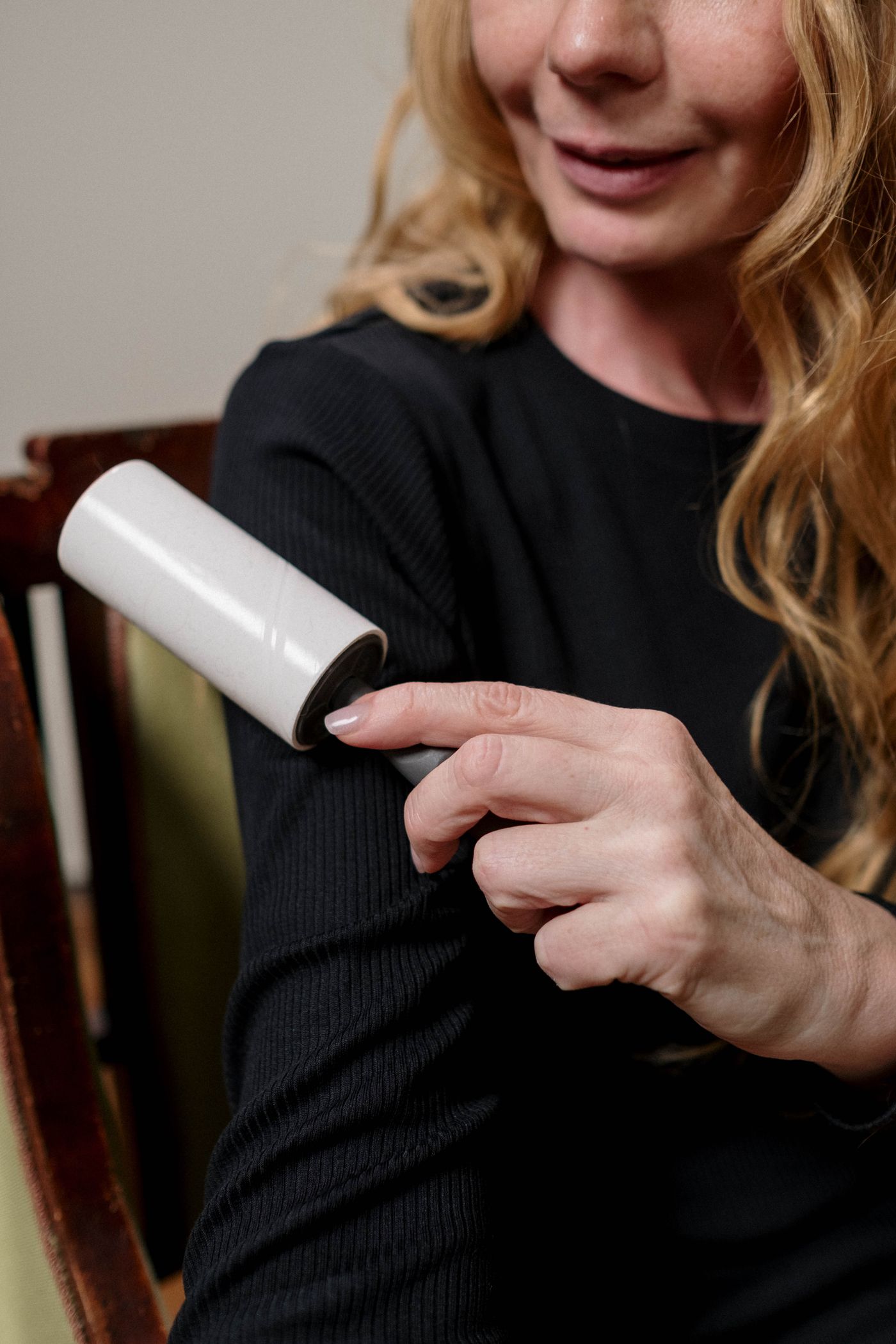
A conventional disposable tape roller presents an adhesive surface that picks up material through contact. Check the exact roller’s instructions and the garment’s compatibility before use. The roller’s apparent simplicity does not establish that every adhesive is suitable for every coating, print, or delicate construction.
Its practical routine includes exposing a usable surface, applying it as directed, and handling the used layer appropriately. Consider where replacement rolls will live and whether compatible refills are available for the actual handle. A low initial purchase is not the whole household decision if the tool repeatedly needs another consumable to remain useful.
Understand the reusable clothes brush’s recurring task
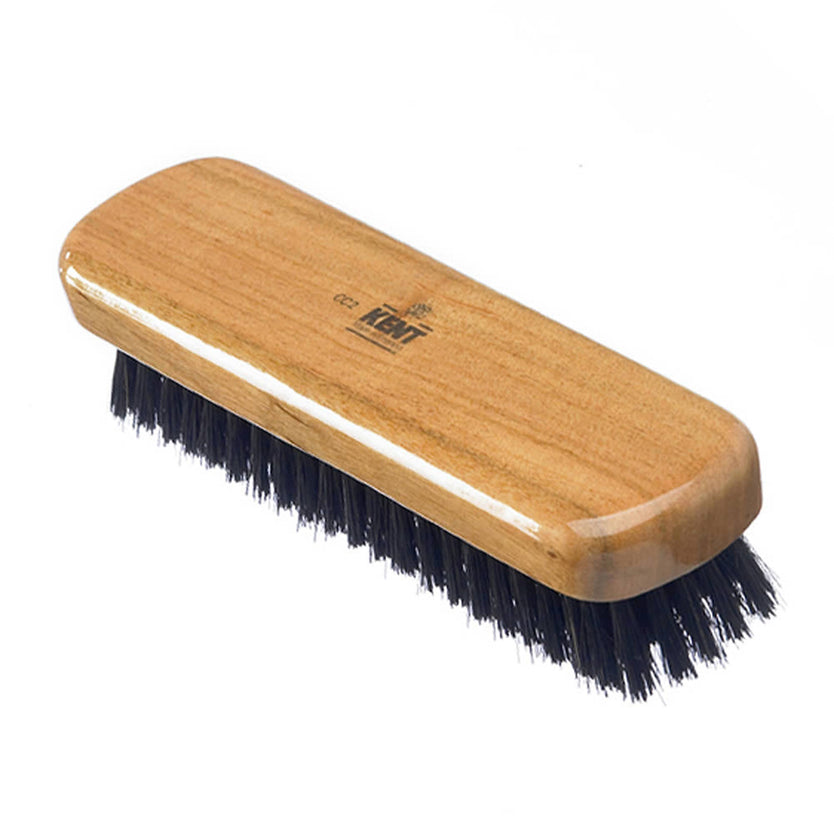
A bristle clothes brush uses its physical brushing action rather than a disposable adhesive layer. Bristle type, firmness, shape, and intended fabric matter. Read the exact maker’s guidance and keep the garment’s care instructions central to the choice. Reusable does not establish that one brush is appropriate for every surface.
Kent’s clothes-brush range includes different constructions for different intended uses. The pictured CC2 is one manufacturer example of a bristle tool, not an independently tested winner. This article does not repeat broad compatibility marketing as a guarantee for every garment, finish, or brushing method.
Test the actual task within the instructions
Where the garment and tool directions permit a test, follow those directions in an appropriate less-visible area before proceeding. Check both the pickup result and the condition of the surface. Avoid judging success only by the amount of material now attached to the tool.
Keep pressure and movement within the stated method. Repeated stronger passes can become a new source of wear if the tool or technique is unsuitable. If the permitted approach does not address the problem, stop and identify what remains rather than treating more force as the automatic next step.
Keep loose debris separate from attached pills
An attached pill may need a different appropriate fabric-care method from loose lint or hair. Do not pull at it with repeated adhesive contact or a stiff brush simply because those tools are already at hand. Read the garment’s guidance before choosing a method that alters its surface.
The GLEENER fabric-shaver review and the rechargeable fabric-shaver review address different tools associated with that separate task. They are not interchangeable recommendations for every textile. Use the comparison to recognize a different problem category, not as a reason to buy all the available care tools.
Assess the garment in a usable working position
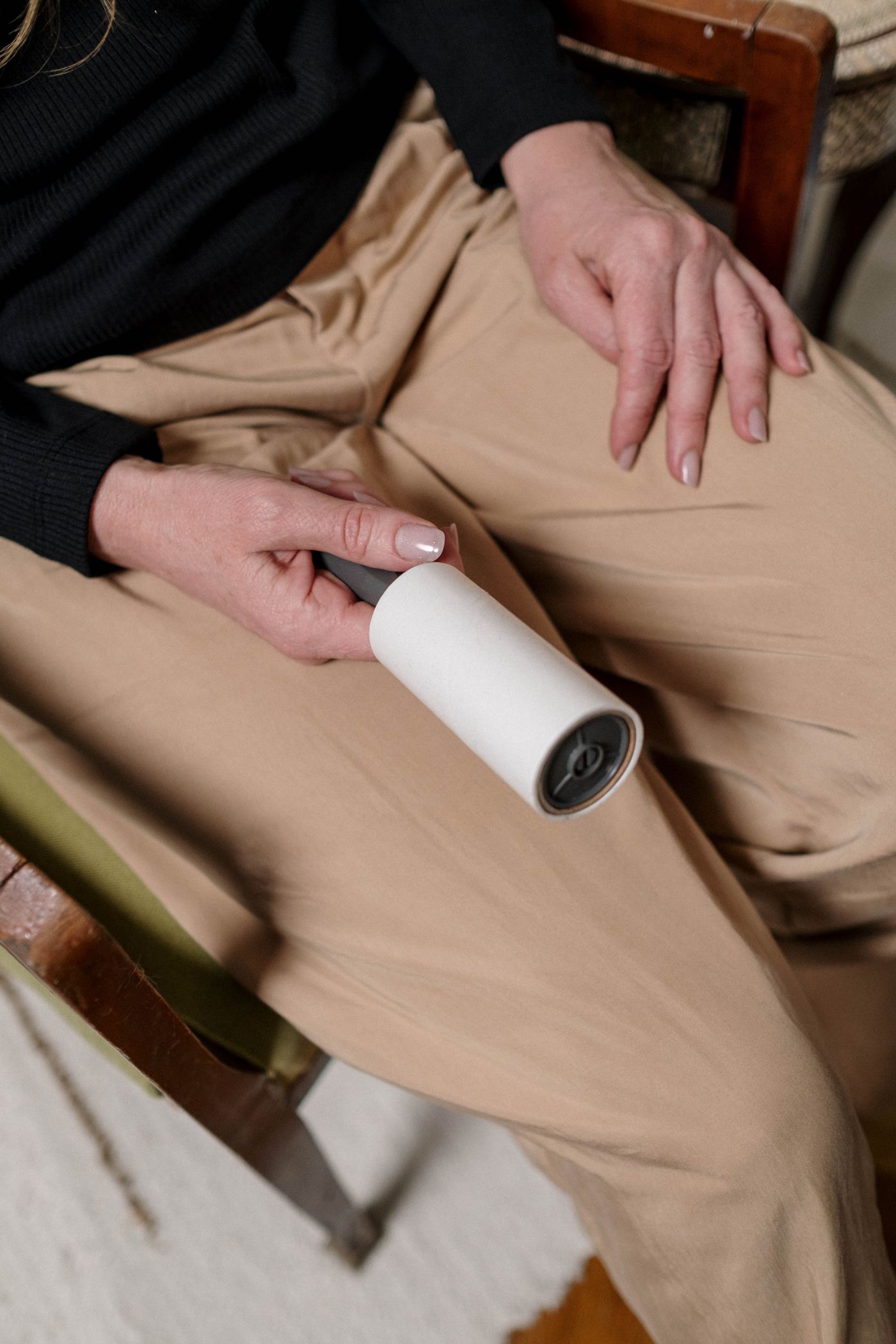
Support the garment appropriately while following its care guidance. A sleeve, trouser leg, and structured coat can present different surfaces and access needs. Choose a suitable position that lets you use the tool as intended without dragging the fabric across an unsuitable household surface.
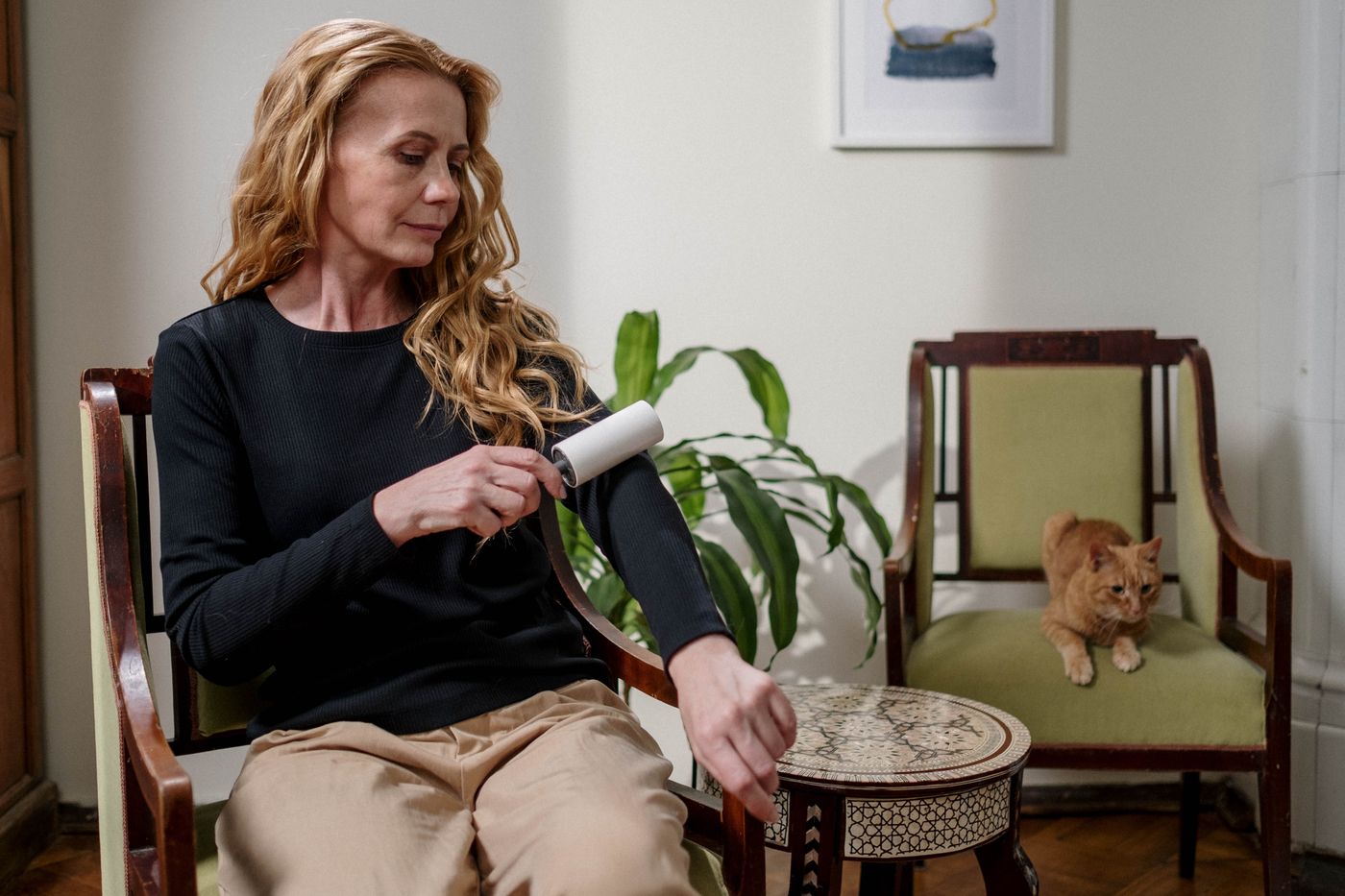
Do not assume a garment should remain on the wearer for every care method because a stock photograph shows that arrangement. The exact tool and textile instructions govern the use. The photographs illustrate different garment-care contexts; they do not document a tested comparison between the roller and brush.
Include the tool’s own cleaning and storage
A reusable brush needs its permitted cleaning and storage routine. Follow the maker’s directions for removing collected material and caring for its bristles and handle. Do not assume that soaking a wooden-handled tool or applying a household cleaner is appropriate simply because it is used for clothing care.
A tape roller needs its adhesive surface managed according to the product instructions. Keep it in an appropriate condition between uses and separate it from surfaces it might contact unintentionally. Check that the actual storage space can accommodate the tool and its necessary consumables without displacing another useful laundry item.
Lint roller vs. clothes brush: a practical decision table
| What matters | Tape roller | Bristle clothes brush |
|---|---|---|
| Pickup method | Adhesive contact, where the tool and garment permit it | Brushing action with a fabric-appropriate bristle type |
| Recurring work | Expose a usable layer and replace compatible refills | Remove collected debris and care for bristles and handle |
| Before purchase | Check refill compatibility and intended textile use | Check the exact brush’s intended fabrics and maintenance |
| When to choose neither | The problem is a stain, attached pill, damaged finish or an uncertain fabric change | |
A reusable tool can be convenient when you will clean it. A tape system can be convenient when appropriate refills remain easy to obtain. We have not established that either is cheaper or environmentally preferable over its life; those comparisons require actual product and usage data.
List the garments you would treat and the tool’s complete upkeep before buying. One suitable tool with a clear job is more useful than several overlapping tools selected for the same unknown surface problem.
Keep furniture tools in their intended role
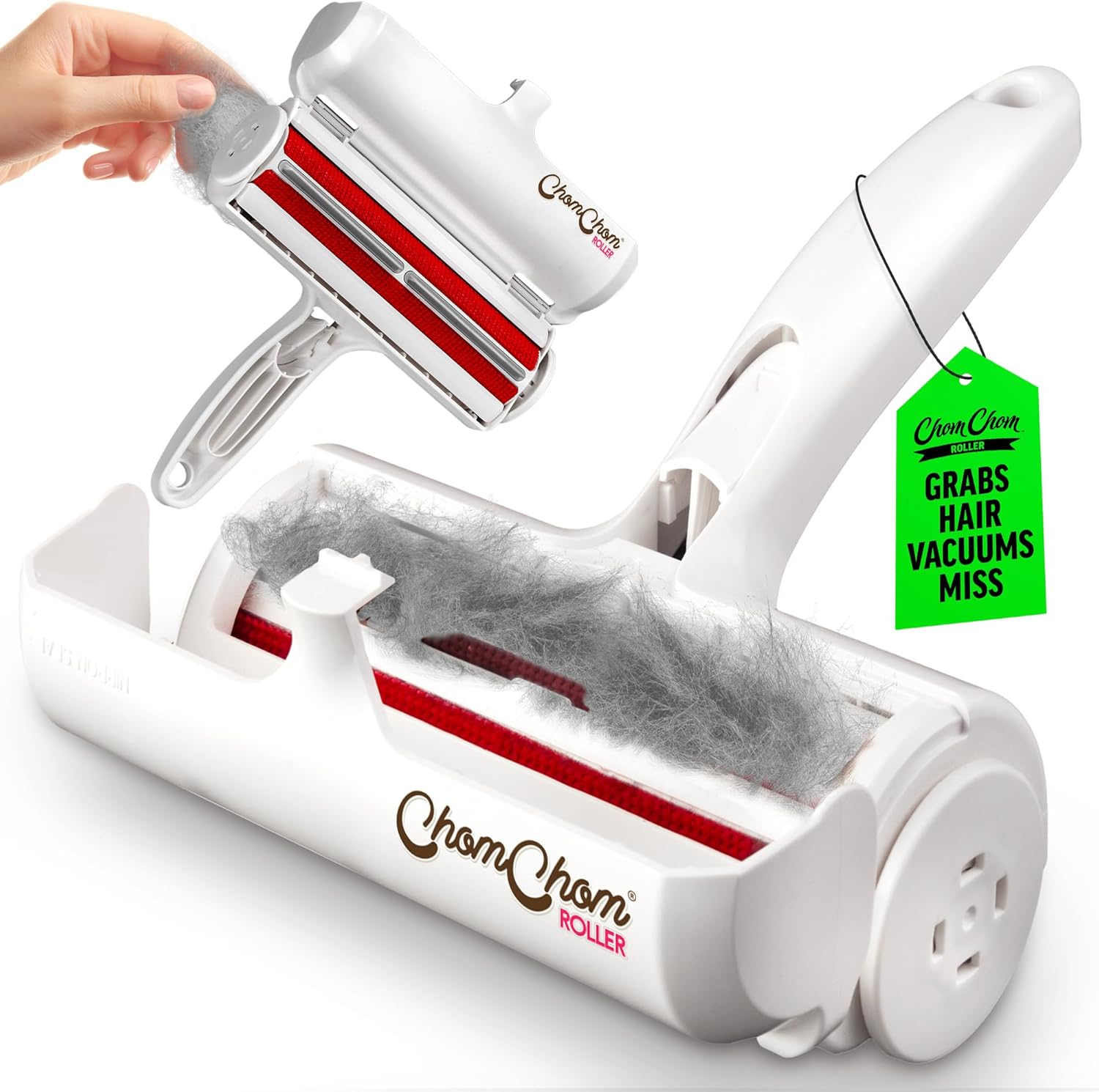
A product intended for a sofa may have a different mechanism and permitted surface use from a garment brush or tape roller. The ChomChom furniture-roller review considers another specific product. Check its actual intended use instead of carrying assumptions between tools because they all use the word roller.
Keep textile care similarly specific. Upholstery, a washable shirt, and a structured coat should not join one universal removal routine. Their construction and care requirements can differ substantially even when the visible debris looks the same.
Use neither when the problem requires another care process
A lint roller or brush does not replace the garment’s required washing, stain care, repair, or other professional or maker-directed attention. Decide whether the item is ready to wear based on its actual condition and instructions, rather than the absence of visible surface fluff alone.
If a finish is failing, a seam needs repair, or a mark has not been identified, choose the appropriate next action. Buying another pickup tool may simply repeat the same unsuccessful attempt. Preserve the distinction between a small surface task and the complete care the garment needs.
Use a short check before adding another garment-care tool
- Name the problem: loose debris, attached pills, a mark or damage.
- Check compatibility: read the textile and exact tool guidance, including finishes and trims.
- Test only as permitted: inspect the garment surface as well as the material collected.
- Plan upkeep: identify compatible refills or the brush-cleaning method and storage.
- Stop at the right boundary: if the method does not suit the textile or problem, use the appropriate care route instead.
For attached pills, read the manual Gleener review or rechargeable shaver review for those tools’ limits. For a loose button or open seam, the small mending-kit routine is a more relevant next step. None authorizes treatment of every textile.
Browse Buying Guides for other specific household decisions.
Sources and editorial scope
Editorial research checked October 24, 2026. Published trend reports are context for these editorial applications, not verified live keyword rankings. Practical household guidance; photographs do not document a tested household or authenticate pictured materials.