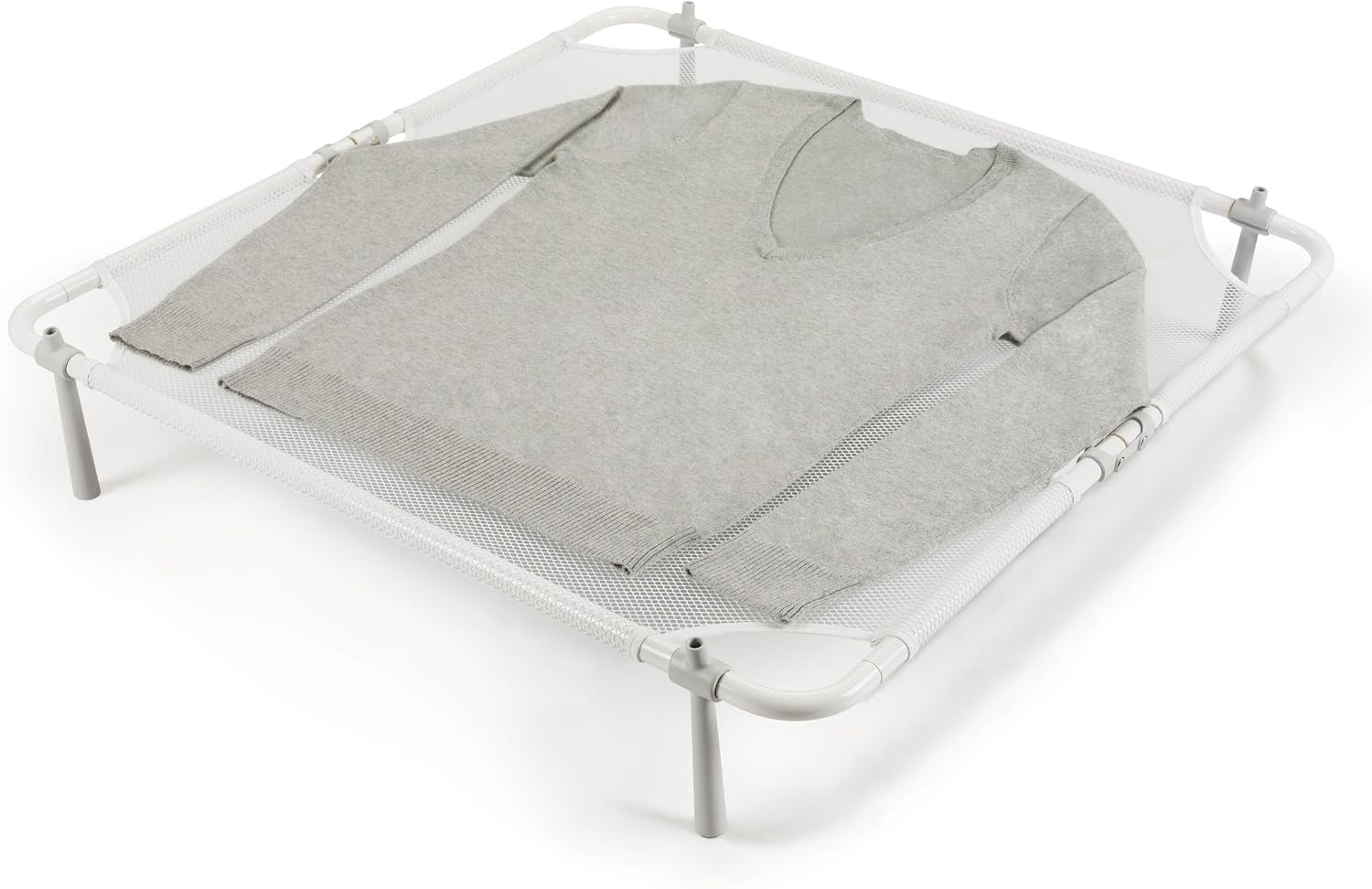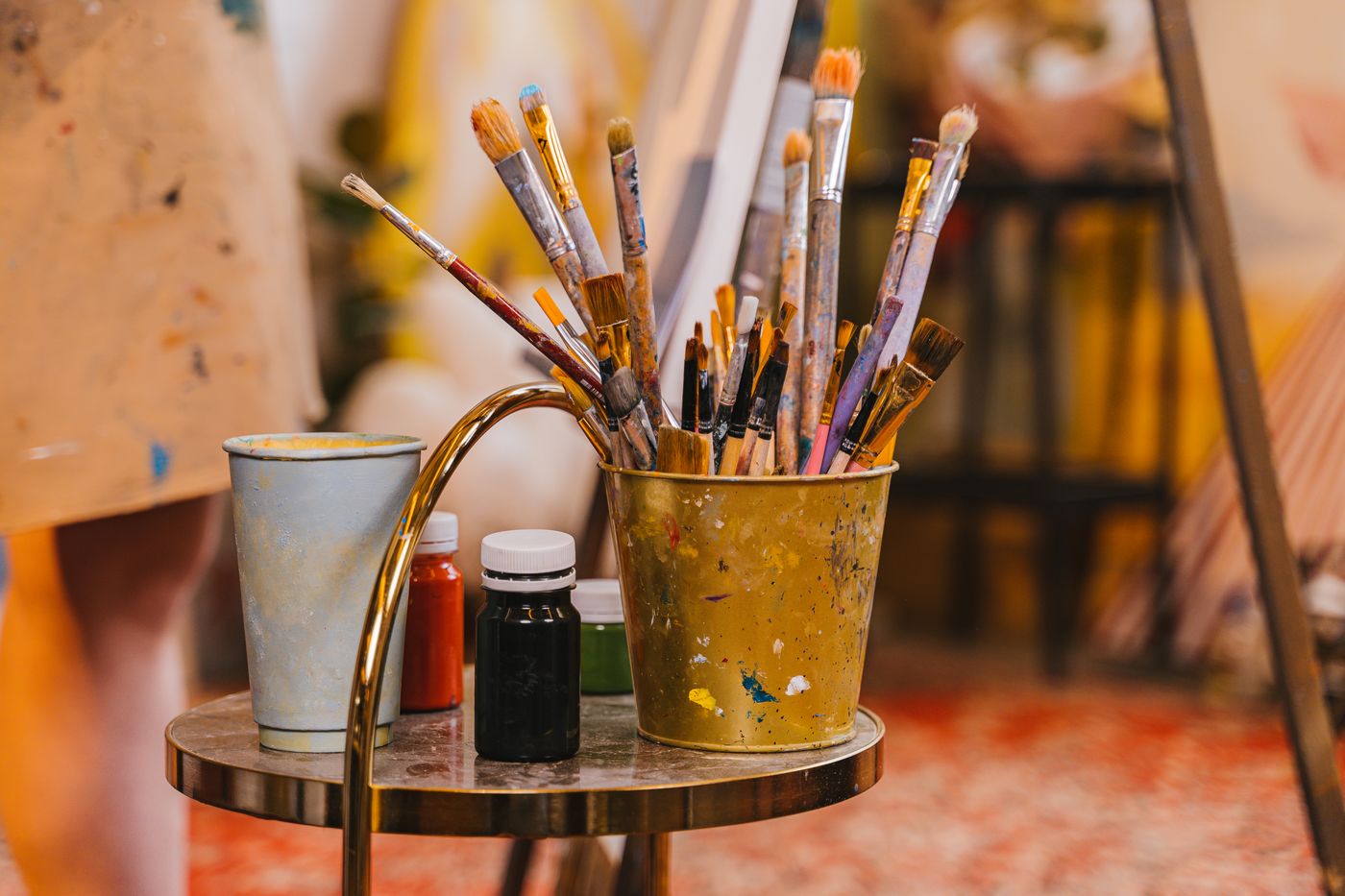
Prepare brush cleanup before opening water-based acrylic paint. Keep a way to remove wet residue at the craft table, a contained washing arrangement, and a protected drying place. In a small laundry area, those three decisions prevent paint-covered brushes from becoming an overnight project on top of the washer.
Etsy’s October 14, 2026 Craftmas direction includes making together. This guide handles the cleanup side of a shared session. The connection is editorial: it does not mean a particular brush or cleaning product has been shown to be trending.
The scope is reusable craft brushes used with water-based acrylic products whose makers permit water cleanup. Oil paints, solvent-based coatings, varnishes, specialized mediums, and brushes with different care directions need their own methods. Read the paint and brush labels before combining their leftovers into one washing container.
Choose fewer brushes for the session
Lay out the brushes the activity actually needs. A large display of tools encourages people to pick up another brush whenever a color changes, leaving many partly coated tools for the end. Give each participant a manageable selection, while keeping a clean spare aside for an unexpectedly damaged or unsuitable brush.
Keep brushes used with different products identifiable. If a special coating is part of the activity, do not allow its tool to drift into the ordinary acrylic group. A small note beside that product can help the responsible adult collect it separately. The label’s directions matter more than the brush handle’s color.
Explain the end-of-session routine before everyone is tired. People should know where wet tools go, which container is for paint residue, and who will handle final washing. Leaving that explanation until several people are ready to leave often produces a crowded sink and abandoned brushes.
Keep acrylic from drying in the working brush
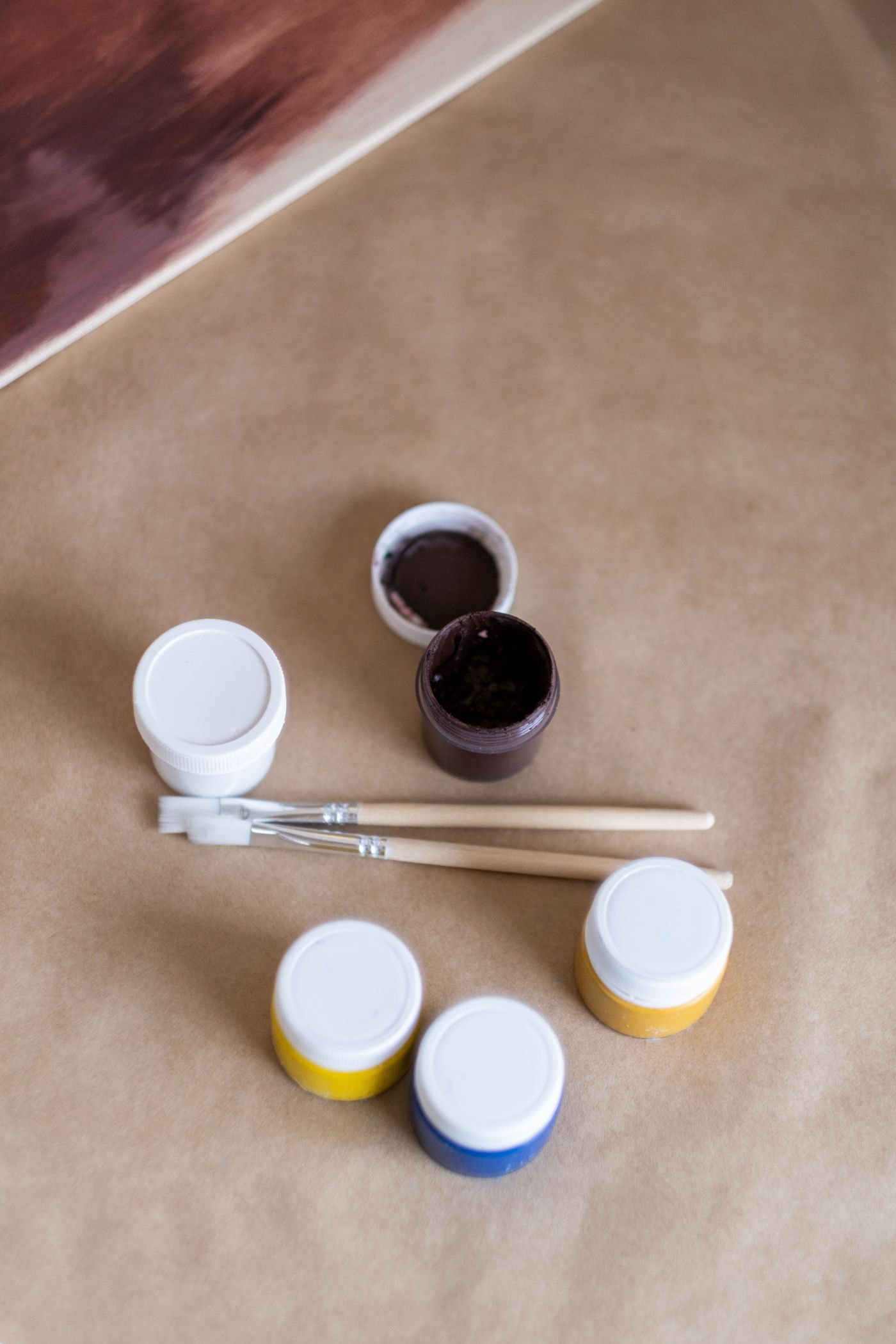
Liquitex’s FAQ notes that its acrylic ink becomes permanent when dry and advises cleaning brushes immediately after use. Follow your exact paint’s directions for its working time and cleanup. Do not assume that a brush used briefly will remain washable until the following morning.
Provide the maker-approved temporary rinse arrangement while painting, but avoid leaving brushes resting on their tips. A cup holding handles upright in a photograph is not proof that wet soaking in that position is suitable. The brush’s own care guidance determines whether and how it may remain in water between uses.
Put finished tools into the cleanup sequence promptly. Do not balance them on folded laundry, a washing-machine lid, or a towel that someone may carry to a bedroom. Keep the route from the craft table short and make the temporary holding place obvious to everyone helping.
Remove bulk residue before the final wash
The linked acrylic-waste guidance from Dick Blick/Utrecht recommends wiping away bulk paint with a damp rag, followed by staged rinsing. Its example uses separate containers for loosening paint, removing more residue, and a final rinse. The purpose is to collect more paint at the work area instead of flushing the whole load down a drain.
Use containers that will stay dedicated to this task. Label them clearly and keep them separate from drinking cups, food preparation items, and laundry-treatment products. A recognizable container is especially useful when several people are tidying at once and may otherwise mistake cloudy paint water for ordinary wash water.
Work through one small group at a time. A long line of wet brushes can dry while you search for supplies, so have the approved soap and rinse arrangement ready. Do not scrub aggressively against a hard bottom or force paint out with a tool that could damage the filaments or ferrule.
Keep final washing contained
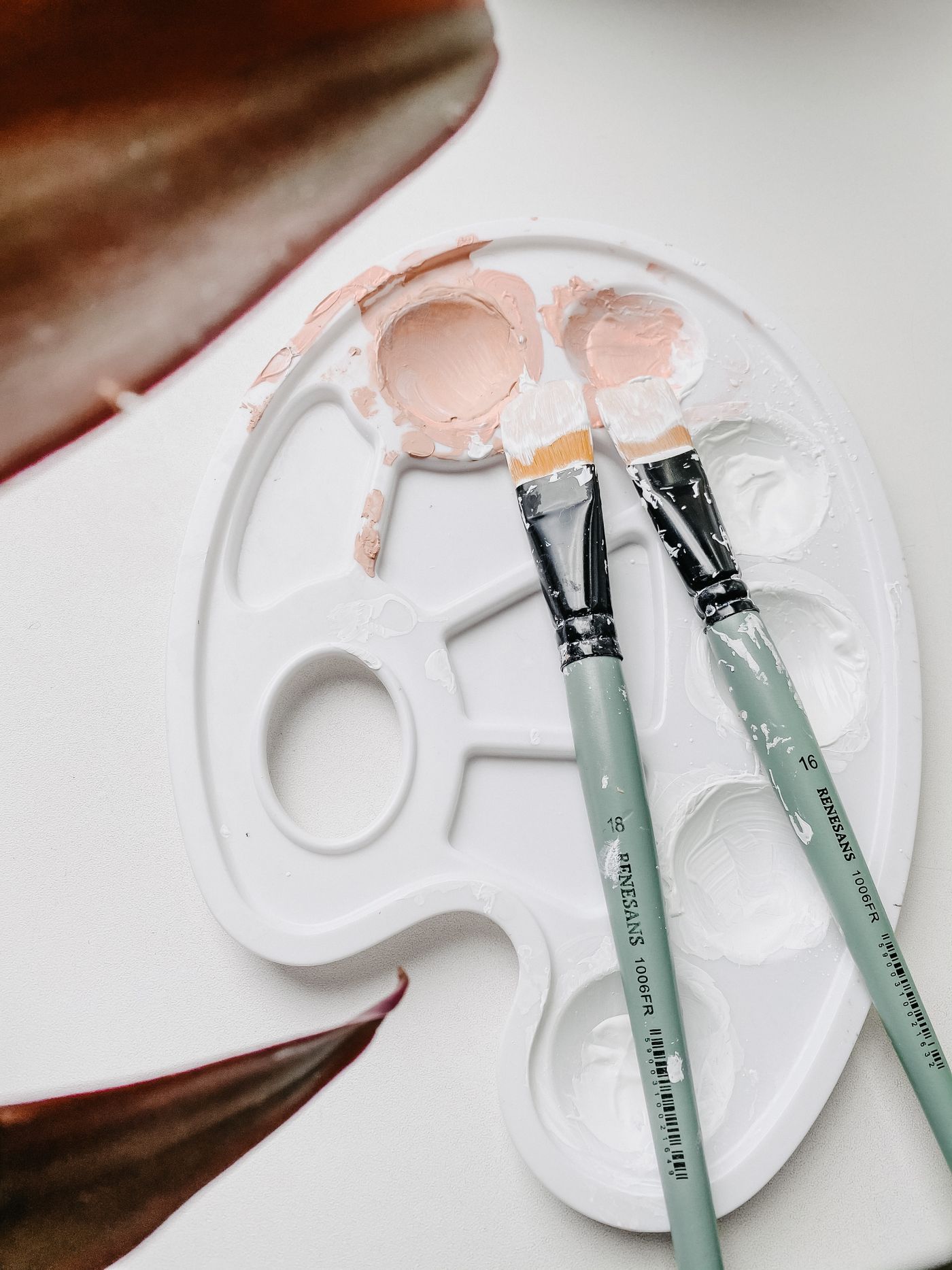
The same waste guide describes a preliminary soap wash in a container, followed by clean-water rinsing, and a final wash in a bucket or dish tub once most residue is removed. Follow the paint and brush makers’ directions for the soap and washing action. Keep paint-laden water collected rather than treating a running tap as the entire cleaning system.
The laundry area should remain a workspace with clear boundaries. Move clean clothes away, protect the suitable work surface as directed for that surface, and keep containers where they cannot be tipped by a machine door. Do not mix paint waste with stain removers, bleach, detergent doses, or other household chemicals.
If your laundry area has no suitable washing space, do the contained cleaning somewhere appropriate instead. A machine-top arrangement beside an open basket of clean clothes is not improved merely by calling it a craft cleanup station. Use a stable surface and a manageable quantity of tools, and return the laundry space to its ordinary purpose afterward.
Follow the brush maker’s drying direction
Remove excess water using the method permitted for the brush, restore the intended shape without pulling the filaments, and set it in the specified drying position. Avoid inventing a universal rule for natural hair, synthetic filaments, wooden handles, and specialty brushes. The construction and adhesive can differ between products.
Reserve that drying position before washing. It should not depend on balancing a wet brush across a narrow cup in a busy doorway. Keep the brushes clear of laundry lint, moving machine lids, and anyone reaching for everyday supplies. Do not seal still-damp tools in a closed pouch because you need the counter immediately.
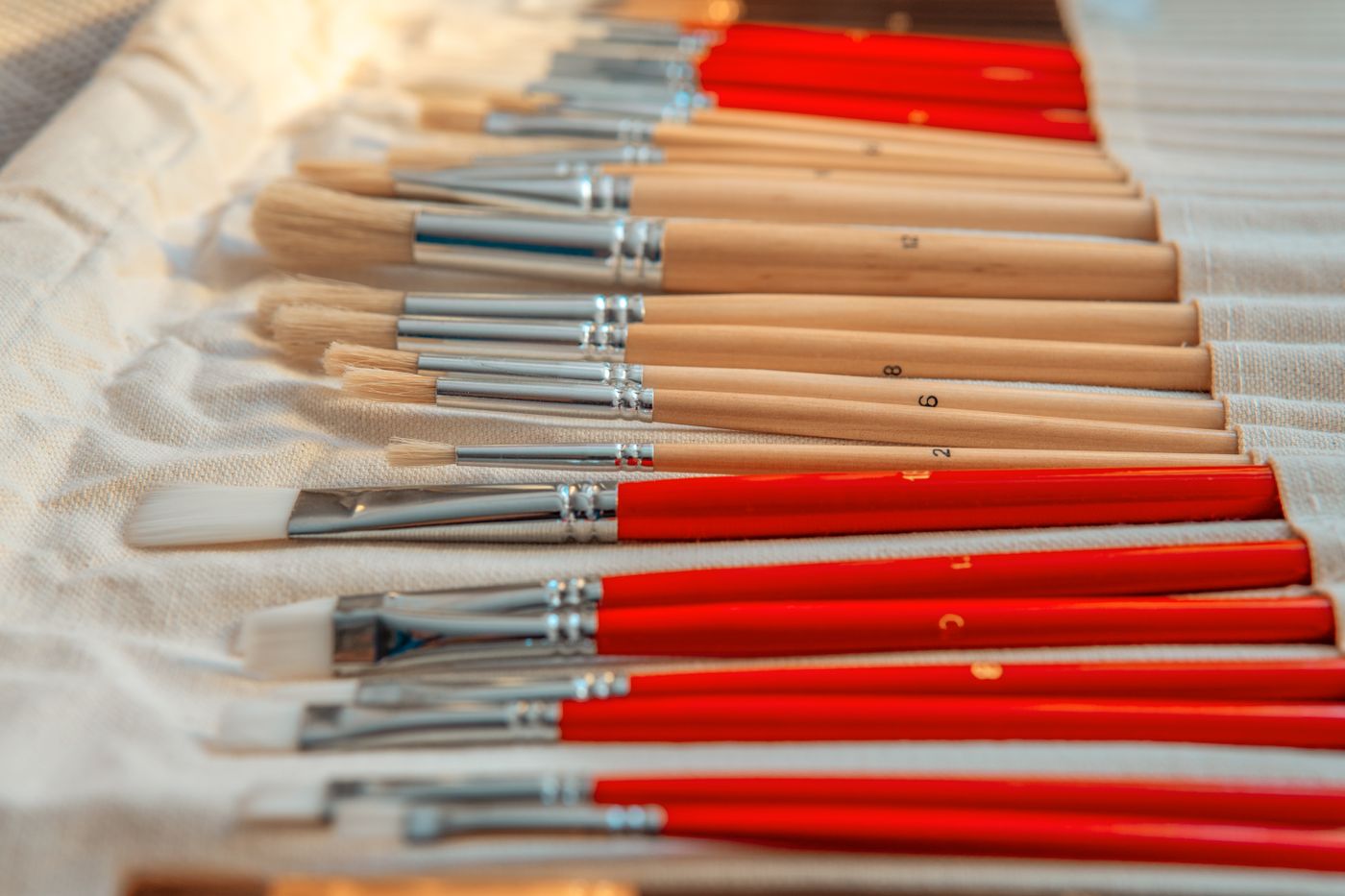
Check the brush when dry. A distorted tip, stiff residue, or loose part needs attention before the next activity. Ask the maker about an approved recovery method instead of trying a household solvent. If recovery is impractical, retire the tool from the activity it can no longer perform reliably.
Give paint water a separate ending
Keep collected rinse water identified and out of reach of children and pets while awaiting the appropriate next step. Do not leave an open bucket in a shared passage or place a food-style lid on an unlabeled container. Choose a secure arrangement compatible with the paint’s instructions and your household.
The waste guide describes ways to collect residue and emphasizes checking local disposal requirements. Consult your local waste service and the product label for the actual paint involved. This article does not establish that your rinse water or dried waste belongs in a particular local collection stream.
Use only the disposal process appropriate to those instructions. Do not combine unrelated liquids to reduce the number of containers. If you cannot complete the waste step immediately, leave a clear note stating what the container holds and what remains to be done, then finish that task promptly.
Separate paint rags from everyday cloths
Keep paint-contaminated wiping materials apart from bathroom cloths, kitchen towels, and clean laundry. Our guide to separating clean and dirty cleaning cloths explains the ordinary household sorting problem. Paint adds a separate residue question, so follow product and local guidance before deciding how any wiping material should be reused, washed, or discarded.
Store the clean brush soap and dedicated containers together only once their care and drying are complete. A small portable cleaning caddy can be useful for compatible supplies, but it should not become a place to hide unidentified wet leftovers. Keep disposal containers separate from ready-to-use clean tools.

Return the laundry area to service
Check the surface, basin if used, handles, and the route you carried the tools along. Clean the relevant household surfaces according to their own care directions. Return ordinary laundry supplies to their normal positions and make sure the machine doors and controls are accessible.
Use the boundaries in our cleaning-supply storage guide for family homes when putting products away. A child’s craft session ending does not remove the need for labeled, appropriately stored materials. Keep the activity’s leftover paint with its original product information rather than pouring several colors into an unmarked jar.
Finish with a short closing note: how many brushes are drying, where they will be stored, and whether any waste step remains. This can fit within a realistic nightly reset without pretending every craft session creates the same amount of cleanup. Next time, adjust the number of tools or the activity length if the ending was consistently harder than the painting itself.
Explore related household decisions in our Cleaning hub.
Sources and editorial scope
Editorial research checked October 15, 2026. Trend-report dates and limitations are stated in the article; these are editorial applications of published signals, not verified October keyword rankings. Practical household guidance; illustrations do not document a tested household or authenticate a pictured material.