
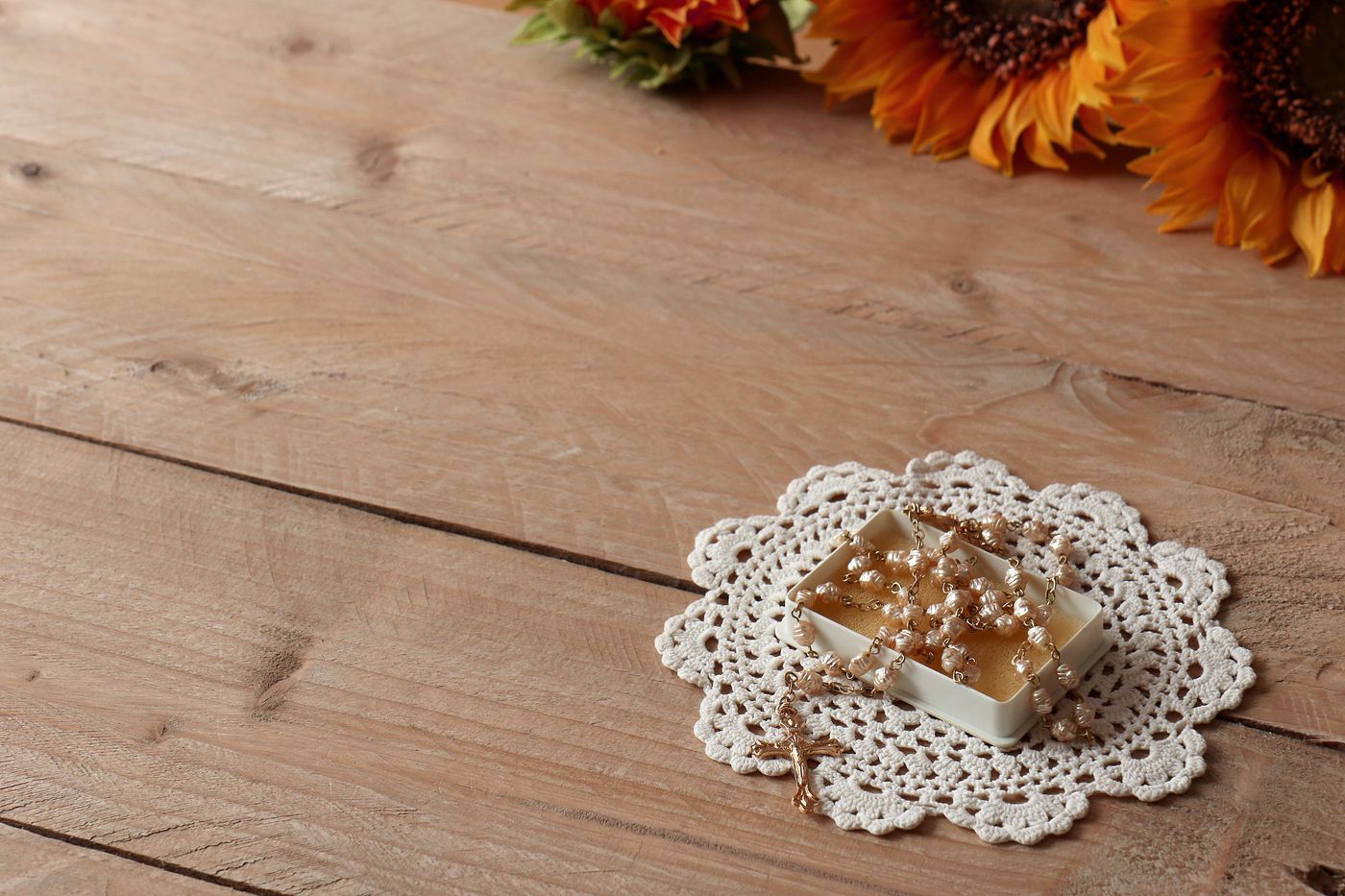
A lace piece can add a delicate layer to a fall display, but its open structure makes a casual wash a poor starting point. Before you brighten a doily, runner, or decorative panel, establish what it is made from, how it is constructed, and whether it is sound enough for the proposed care.
Pinterest Predicts 2026 includes lace as a cross-category direction. Applying that interest to household lace is an editorial use of the forecast, not proof of October demand for vintage doilies. The practical concern here is preserving an item before display. A trend does not make a fragile inherited textile suitable for a routine laundry cycle.
Distinguish modern washable lace from unknown lace
Look for the care label, maker’s instructions, yarn band, or information from the person who made the piece. Lace describes an open structure, not a single fiber. Cotton, linen, synthetics, blends, and decorative trims can behave differently. Appearance and softness alone are not enough to select a wash temperature, detergent, or drying method.
Yarnspirations recommends consulting the specific yarn band or product care information because directions vary by yarn. That is relevant to newly crocheted household lace whose yarn can be identified. It does not supply a missing care instruction for an old piece with unknown fiber, previous repairs, or a history of storage damage.
Keep unknown, valuable, or visibly fragile lace out of ordinary laundering until you obtain appropriate advice. A textile conservator may be the right person for an heirloom or historic item. The aim is to retain the piece, not to make every older textile appear new. Display can wait while the care question is resolved.
Inspect the whole piece while it is supported
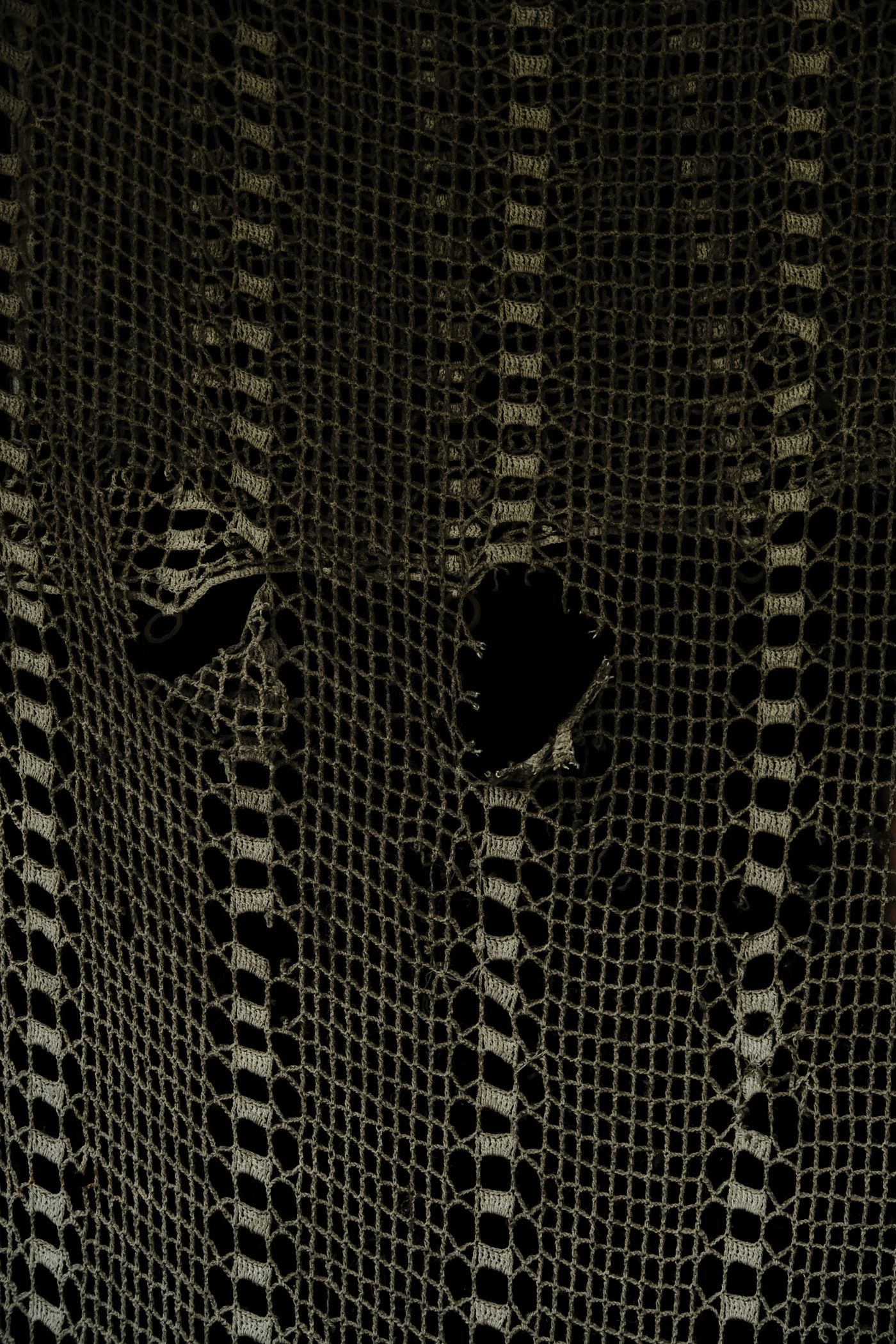
Lay the textile on a clean suitable surface and look for weak areas, broken threads, loose joins, or detached trim. Avoid letting a heavy section hang from a narrow connection while you inspect it. If the piece needs support just to be lifted, that is a meaningful limit on a casual cleaning plan.
Photograph the general shape and any existing damage before care. This helps you distinguish a pre-existing loose section from something discovered later. A photograph also records how scalloped edges or repeating motifs were arranged before the item became wet, although it is not a substitute for the maker’s shaping directions.
Do not pull an irregular edge straight while the textile is dry simply to make it symmetrical. Handmade work can have variation, and old repairs may change the geometry. Identify whether the change is a defect, a repair, or part of the original construction before attempting to alter it.
Prepare the drying space before any permitted wash
For lace with confirmed home-care instructions, plan the entire process before introducing water. Know where it will dry, what support it needs, and whether you can keep the space available for the required time. A sink session is only the beginning; a crowded room with nowhere suitable to dry the piece can turn a manageable task into a rushed one.
Reserve clean materials for the drying method specified by the maker. Do not assume that hanging is acceptable for every open textile. A wet item may put weight on narrow joins, and a clip may pull a delicate edge. Likewise, flat drying, blocking, steam, or ironing must be appropriate to the identified fiber and construction rather than chosen from a generic craft tip.
If the instructions require reshaping, establish the intended measurements beforehand and avoid stretching beyond them. Prepare the support and tools specified for that method. This guide does not supply a universal blocking recipe because the same treatment will not suit every modern lace piece, much less every older one.
Follow the full care instruction
Read washing, drying, and finishing directions together. A label permitting one step does not automatically permit another. Machine washing, hand washing, tumble drying, and ironing are separate permissions. Check decorative beads, ribbons, backing fabric, and sewn-on trims as well as the main textile, since the complete item may have more restrictive requirements than its yarn alone.
Follow the prescribed product, temperature, and handling method. Avoid adding stain treatments or brighteners because the lace looks yellow in a photograph. A change in color can reflect several causes, and an aggressive attempt to create a uniform white can alter more than the visible stain. For uncertain discoloration, seek material-specific advice before proceeding.
Keep delicate lace away from exposed hooks, zippers, and rough laundry items. If the maker permits a protective bag for machine care, choose one suited to the piece and the instructions. A bag is not permission to machine-wash something whose care remains unknown; it can reduce some handling risks without resolving the material question.
Our label-led slipper washing guide illustrates the same useful order of decisions: identify the permitted method, arrange drying, and then begin. The item and method are different here, but the complete-process approach helps avoid starting a wash you cannot finish properly.
Evaluate the result when it is fully dry
Allow the specified drying process to finish before judging shape or putting the lace back into storage. Inspect the joins and edges without tugging them. If a problem appears, compare it with the photographs and stop before repeating the care process. Several successive washes are not a sensible default response to an unresolved result.
Do not fold damp lace into a drawer because it feels mostly dry on the surface. Keep the drying position available until the whole piece is ready. Our small-home air-drying guide can help plan available household space, while the textile’s own directions determine how it should be supported there.
Return the care note with the item. If you obtained fiber information from its maker or a conservation assessment, retain that information so the next person does not repeat the identification process. A clear note can prevent a future household member from treating a fragile runner as ordinary washable table linen.
Choose a display that matches the item’s condition
Use a sound modern doily where it can be removed easily and protected from the task happening beside it. Keep it away from frequent spills if laundering is difficult. A lace layer underneath a decorative object should not create an unstable footing or become trapped where it cannot be inspected without lifting a heavy arrangement.
Do not place lace near an open flame or use it as a protective heat barrier. Its decorative role does not establish heat resistance. Nor should a valuable textile be subjected to daily pulling, food contact, or repeated direct sunlight merely to reproduce a trend photograph. Choose the display according to the piece you actually have.
Store it without compressing the delicate edges
Once dry, store the lace with suitable support and without heavy objects pressing across projecting motifs. Use the advice appropriate to its material and value. Avoid overfilling the container so the edge catches every time you open it. Keep the care record accessible and identify the item without attaching adhesive directly to its threads.
Our tablecloth and runner storage guide covers finding household textiles by fit and ready condition. Lace adds a construction-specific concern: delicate open sections need protection from snagging and unnecessary strain. The goal is a piece you can find and handle comfortably, rather than one squeezed into the smallest possible packet.
A fall display should make the textile easier to appreciate. That begins with knowing its limits. Confirm the care, support the structure, and finish the drying and storage plan before washing. If the identification remains uncertain, a delayed display is preferable to losing the lace while trying to prepare it.
Explore related household decisions in our Cleaning hub.
Sources and editorial scope
Editorial research checked October 14, 2026. Trend-report dates and limitations are stated in the article; these are editorial applications of published signals, not verified October keyword rankings. Practical household guidance; illustrations do not document a tested household or authenticate a pictured material.
