
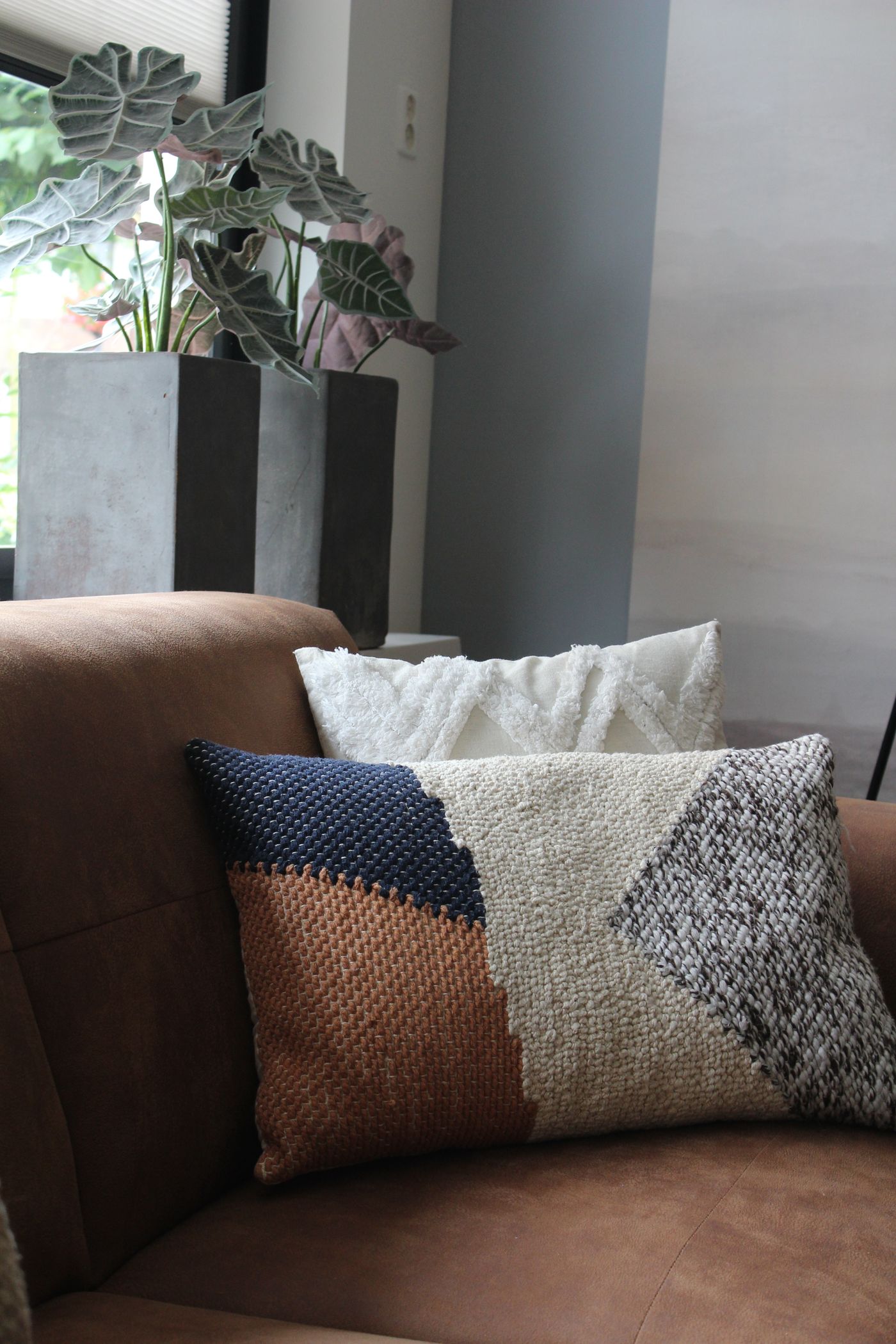
A rental can look warmer without a new wall color, a replacement sofa, or a collection of objects that have nowhere to go later. The useful starting point is the room you already have: its largest furniture, the available daylight, the existing finishes, and the activities that need clear space.
Houzz’s September 2026 report describes warm colors, wood tones, and layered textures. This guide adapts that direction to a rental through movable choices. It is a styling plan for a specific constraint, rather than a claim that every warm-toned accessory is currently trending. Begin with a limited experiment and keep the option to reverse it.
Find the warmth already in the room
Look at the floor, furniture, doors, and existing textiles before choosing anything new. A wooden table, a brown leather chair, or a cream curtain may already supply the reference tone. Using one of those as the starting point can make the changes feel connected without requiring a matching set of new items.
Observe the room in daylight and under the lamps you normally use. A color that looks muted in a bright product photograph may look much stronger at night. You are choosing for the room’s ordinary conditions, not a single ideal photograph. Take a plain snapshot from the entrance if that helps you see which large areas dominate the view.
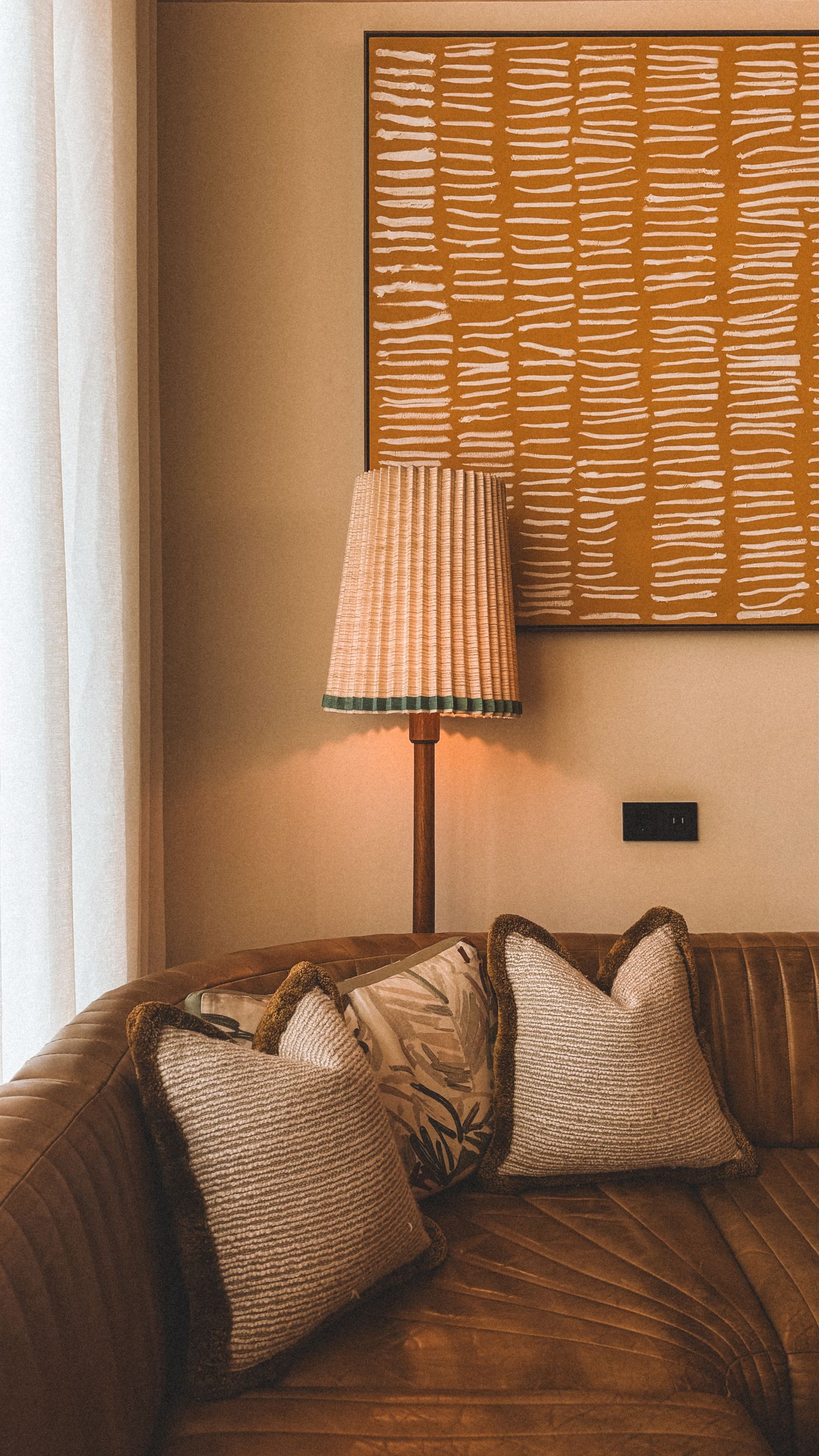
Do not equate warmth with a single palette. A room can feel inviting through wood, woven texture, lighting, and familiar personal objects even when its walls remain cool. Pick the element you actually like rather than collecting every brown, rust, and beige accessory that happens to fit a trend description.
Change one visible area first
Choose a limited area such as one end of the sofa or a reading chair with its existing side table. Make that area work before extending the approach across the room. A small trial reveals whether the new texture suits the furniture and whether its care is practical, while keeping both the spending and the storage consequences visible.
Temporarily move the accessories that will leave the area. Do not simply layer the new pieces on top of everything already there. A warm scheme can still feel crowded if each addition increases the number of objects you need to lift, move, or clean around. A useful change replaces some of the existing visual activity.
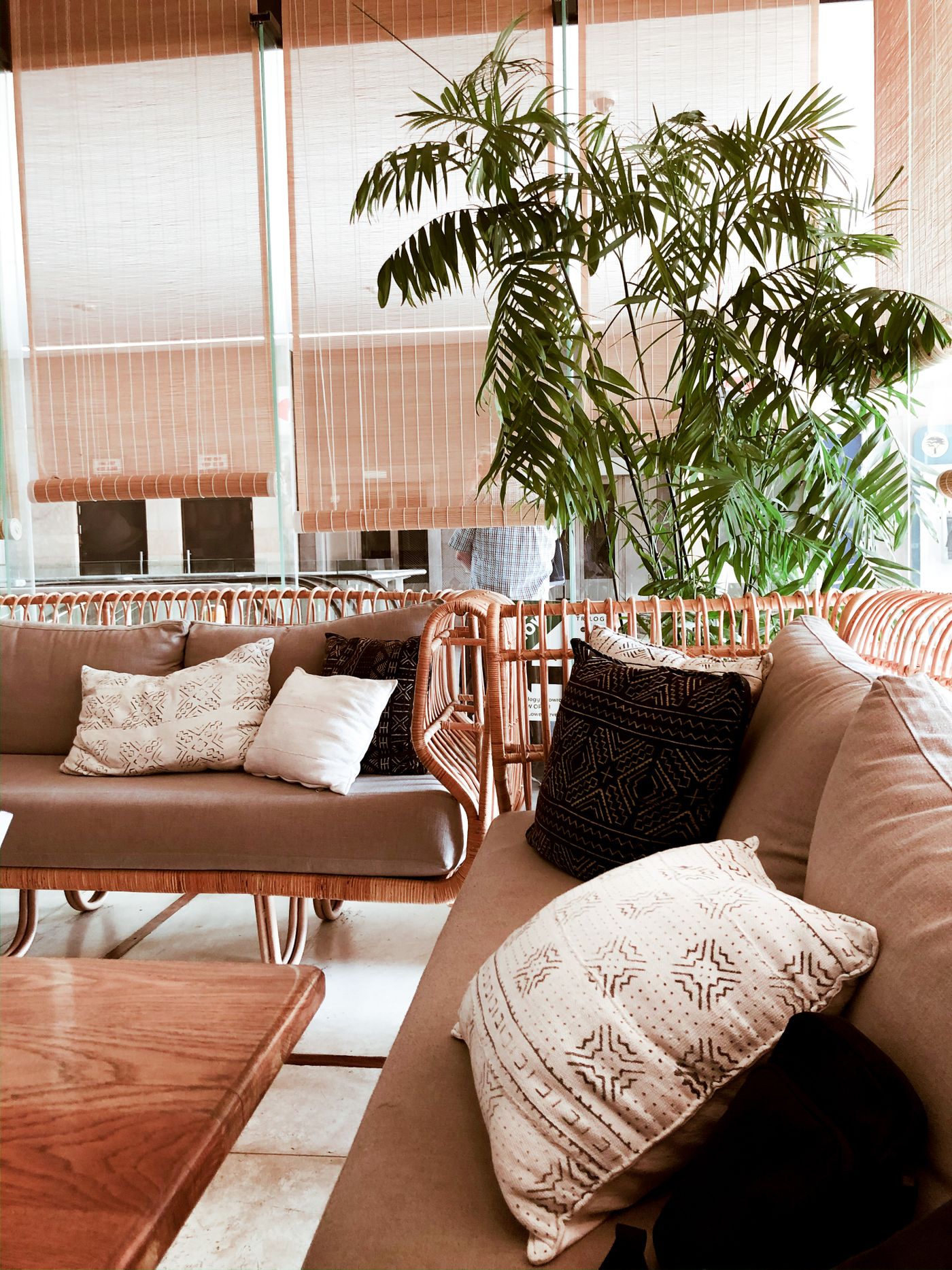
If the trial succeeds, repeat one small feature elsewhere: the same general fabric texture, a related wood tone, or one reference color. Repetition can connect the room without making every piece identical. Stop when the existing furniture feels like part of the arrangement rather than something you need to conceal under decorative layers.
Decide which textures earn everyday use
A throw you actually reach for has a clearer job than a second throw that remains folded solely for appearance. A cushion with a useful size and a suitable cover can be a practical replacement; another cushion that occupies a needed seat may not be. Judge the new textile through ordinary sitting, moving, and cleaning rather than through color alone.
Read the care information before choosing a textured fabric. Loops, fringe, loose weave, and raised detail can create different handling requirements. Consider the household: pets, children, frequent guests, and food eaten near the sofa change how easily a decorative textile fits the room. A beautiful texture that is constantly relocated may be the wrong texture for that position. The Lussena rust-throw review offers a product-specific example of checking a plain warm-colored textile before adding it as a seasonal layer.
Use a quiet background when the texture itself is detailed. Several strong patterns and pronounced textures can compete even when they share similar colors. You can retain one expressive piece and let adjacent textiles be simpler. The arrangement does not need to be symmetrical or match a staged showroom to feel coherent.
Work with wood tones instead of disguising them
Existing wood furniture offers both a material and a useful function. Keep the table or shelf accessible rather than covering every surface with cloth. Notice whether its finish reads light, dark, reddish, or gray in your room, and choose movable details that work with that appearance instead of trying to make the wood disappear.
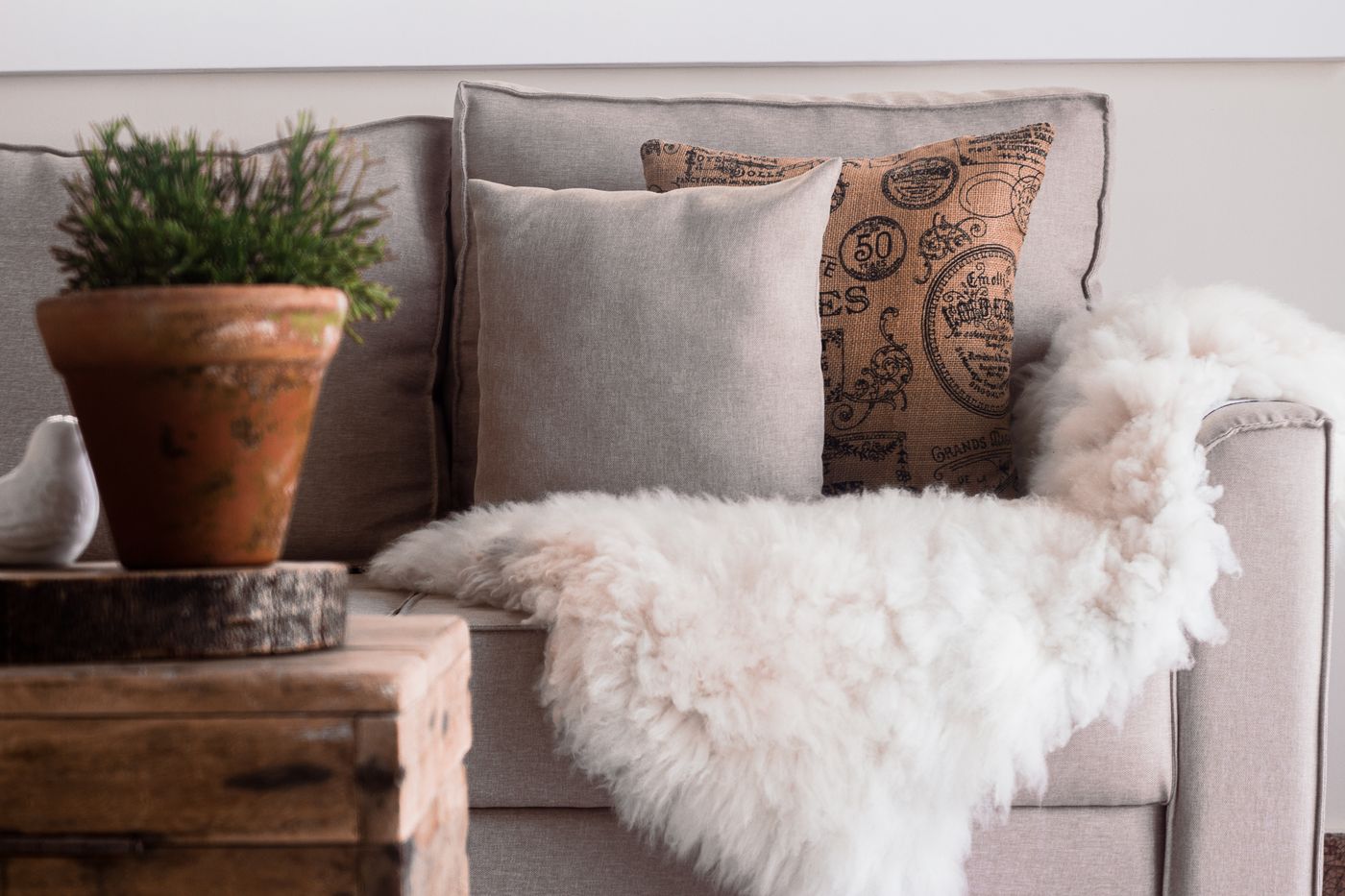
A contrasting wood tone may work when there is enough visual separation. A small side table does not have to imitate a larger cabinet exactly. Avoid buying a faux surface covering solely because the tones are different; applying an adhesive introduces a finish and removal question that a movable accessory does not have.
In a rental, permission and the furniture’s ownership still matter. A proposed coating, adhesive, or hardware change requires a separate decision. This guide focuses on reversible placement and ordinary textiles. Our over-the-door organizer guide is useful when a room also needs storage, because any added system must respect the door’s actual fit and movement.
Keep lighting useful for the tasks
Use the existing lamps to see what the arrangement looks like after dark. A cozy appearance is not a reason to make reading, finding items, or walking through the room difficult. Keep the task light available where somebody works or reads, and let any decorative lighting support that use rather than replace it.
Before moving a lamp, trace its power route and check where the switch can be reached. A warm-looking corner becomes inconvenient if the cord crosses the room or the control sits behind furniture. Do not add a lamp until you know that the surface, shade clearance, and outlet position can accommodate it.
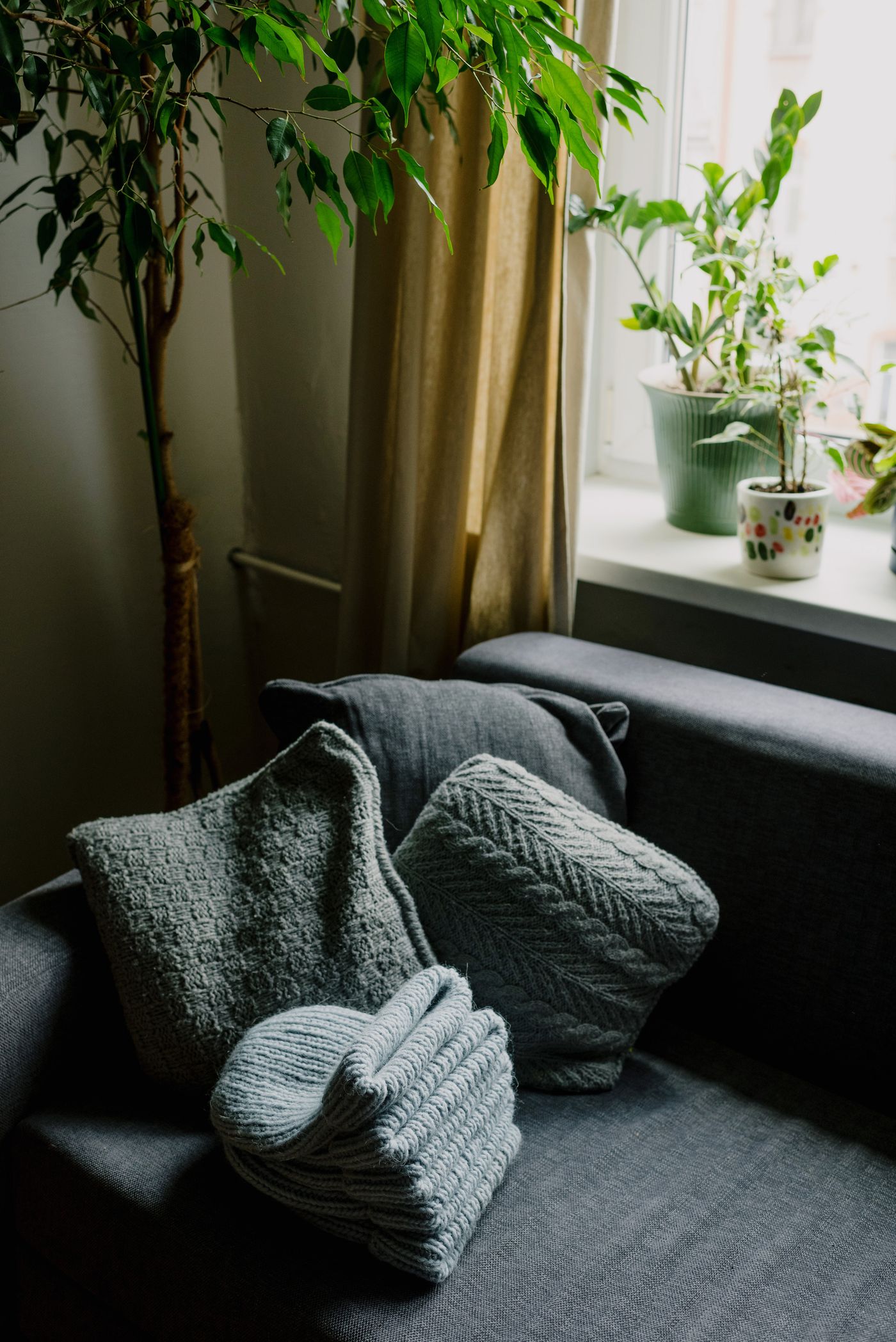
You can alter the mood through the lamps you already own, but use only compatible bulbs and follow their instructions. This guide does not promise a particular brightness or color temperature will suit every room. Try the ordinary evening tasks in the finished arrangement and retain enough usable light for the people who live there.
Protect the routes through the rental
Layering should happen within the furniture positions that already work. Leave access to doors, windows, controls, and storage. A tall basket or extra stool may add texture while making a frequently used route narrower. When that happens, the piece is solving a photographic problem at the expense of a household one.
Our small-balcony planning guide shows why door movement belongs at the beginning of a layout decision. The same principle applies indoors. Open the relevant doors and use the room normally while the styling trial is in place. A route that works only when every decorative object is perfectly positioned is unlikely to remain comfortable.
Avoid loose fabrics near heat sources or where they catch on a moving part. Follow the instructions for the furniture, lamp, heater, and textile concerned. A decorative throw should rest in a suitable position, not be tucked into machinery or draped over equipment simply to hide an unattractive finish.
Include personal objects without adding a collection
Use something you already value: a small framed photograph, a familiar bowl, or an object from a trip. Place it where it can be appreciated without joining a line of unrelated new purchases. Warm layered rooms can feel personal because of the existing objects, rather than because a retailer sells a complete warm-toned collection.
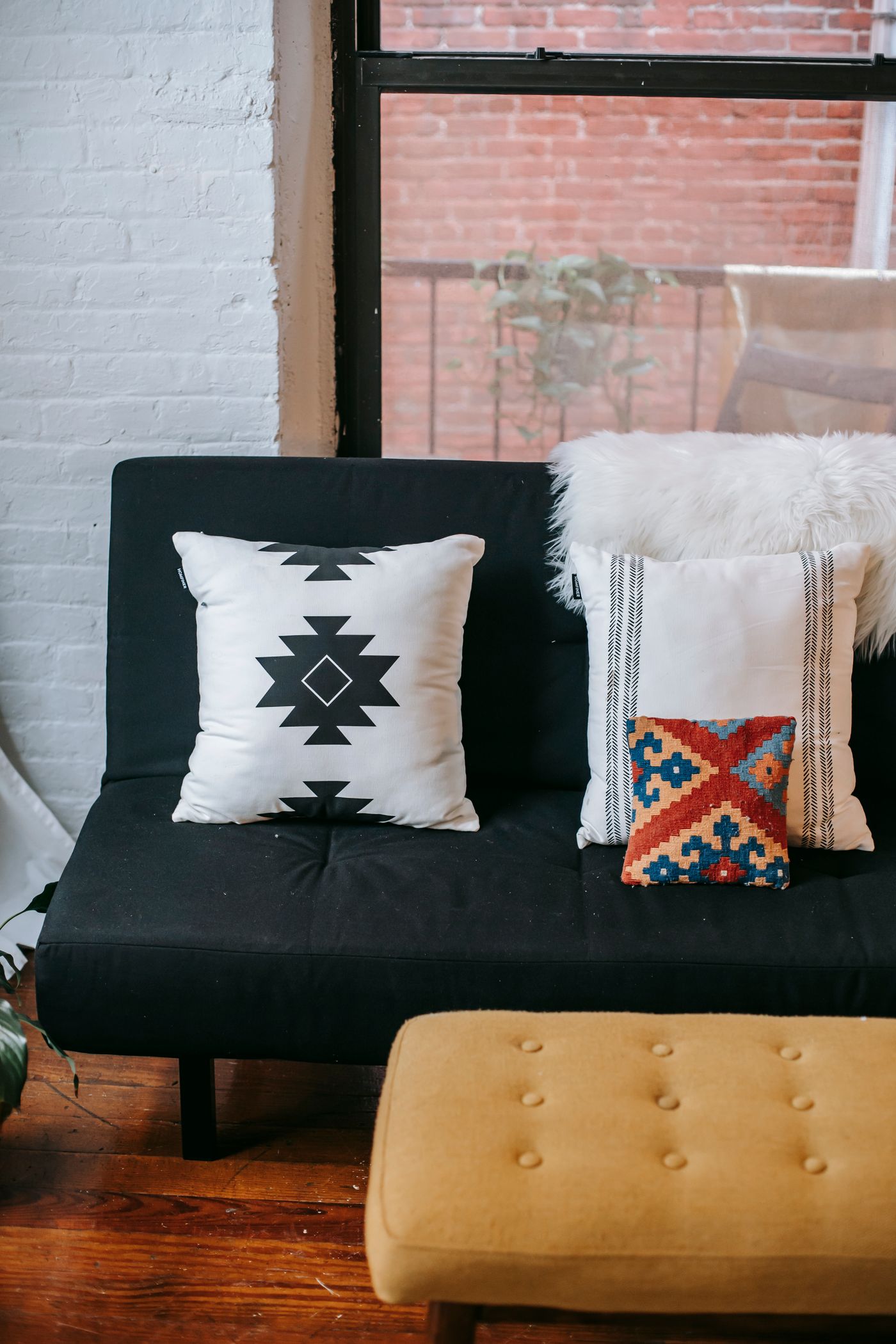
Keep the quantity bounded by the surface and its job. A working side table needs room for a cup or book. A shelf used for keys needs the keys to remain visible. If the decorative display takes over the useful area, move one element to a quieter position or leave it out entirely.
If the room has to become a guest sleeping area, preserve that transition. Creating a temporary guest sleep zone helps establish which surfaces and routes need to change. Favor a display that moves as a small group, so preparing the room for a guest does not require finding temporary homes for many separate pieces.
Plan what stays after the trial
Live with the limited arrangement through a normal week. Notice what gets moved, what feels useful, and what requires more care than expected. The pieces that repeatedly end up on the floor or on another chair are telling you that the plan needs editing. Do not solve that signal by buying another container to hold the overflow.
Return unused trial pieces to their existing storage position or remove them through your ordinary household process. If a new purchase is still necessary, define the size, care needs, and task it serves before shopping. The trend then becomes a source of direction for one thoughtful change, rather than an instruction to replace the room.
The successful rental version remains easy to live in. Its walls and furniture still belong to the same home, but a chosen texture, a repeated tone, and a few personal details make them feel more connected. Keep the changes that support daily use and let the rest of the trend remain inspiration.
Explore related household decisions in our Small-Space Living hub.
Sources and editorial scope
Editorial research checked October 14, 2026. Trend-report dates and limitations are stated in the article; these are editorial applications of published signals, not verified October keyword rankings. Practical household guidance; illustrations do not document a tested household or authenticate a pictured material.
