
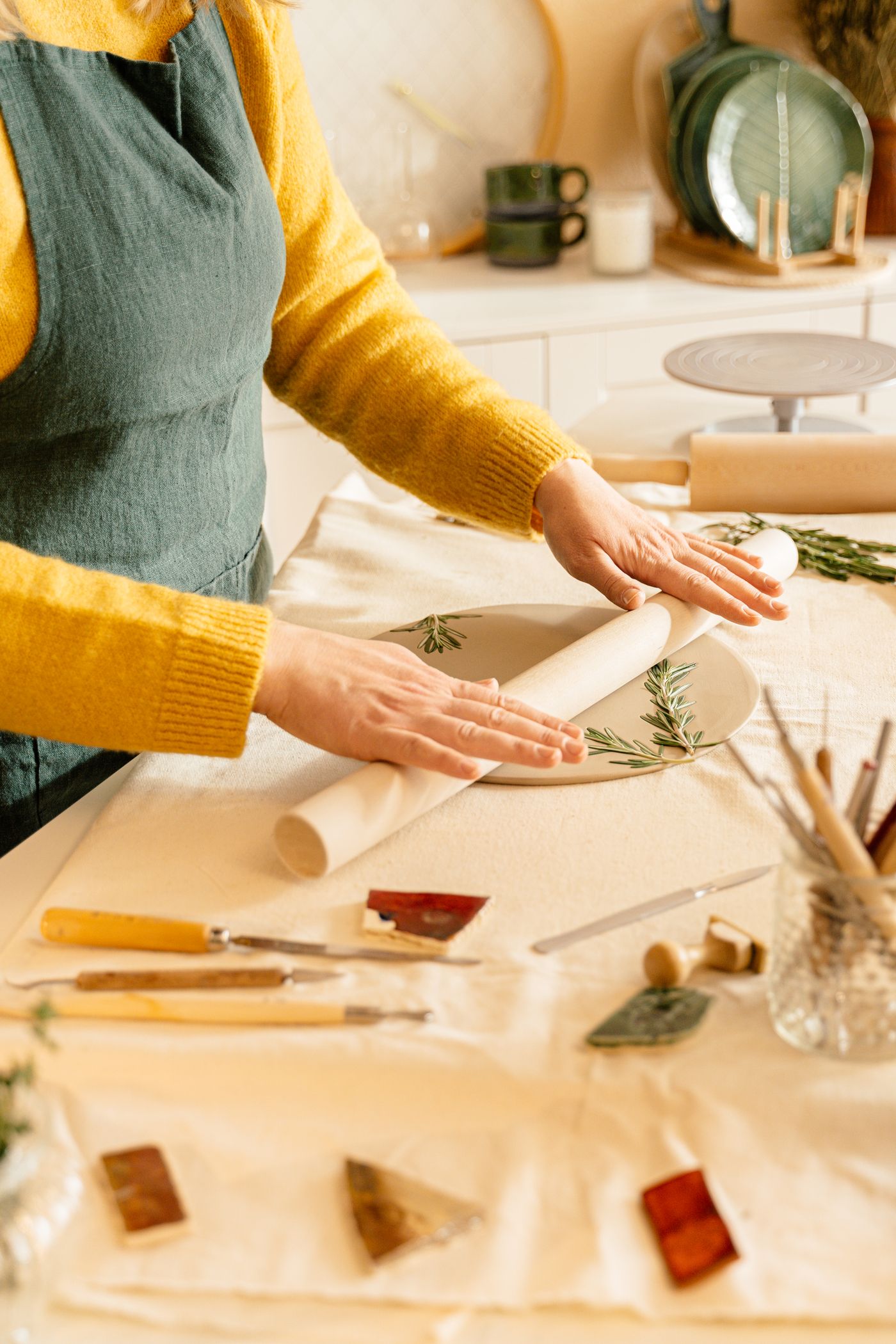
A family clay session can focus on a small question: what happens when the same soft surface meets a few different textures? Small flat samples make that question easier to share than a project that requires everyone to finish a recognizable sculpture. Each person can choose impressions, compare results, and stop without leaving a large unfinished object in the living room.
Etsy’s fall and winter 2026 trend report gives context for shared making and handmade details. A texture sampler is our household activity within that context, not a claim that this exact project is a measured current trend. Use materials and tools appropriate to the actual participants and follow their makers’ instructions throughout.
Choose a suitable material before inviting everyone
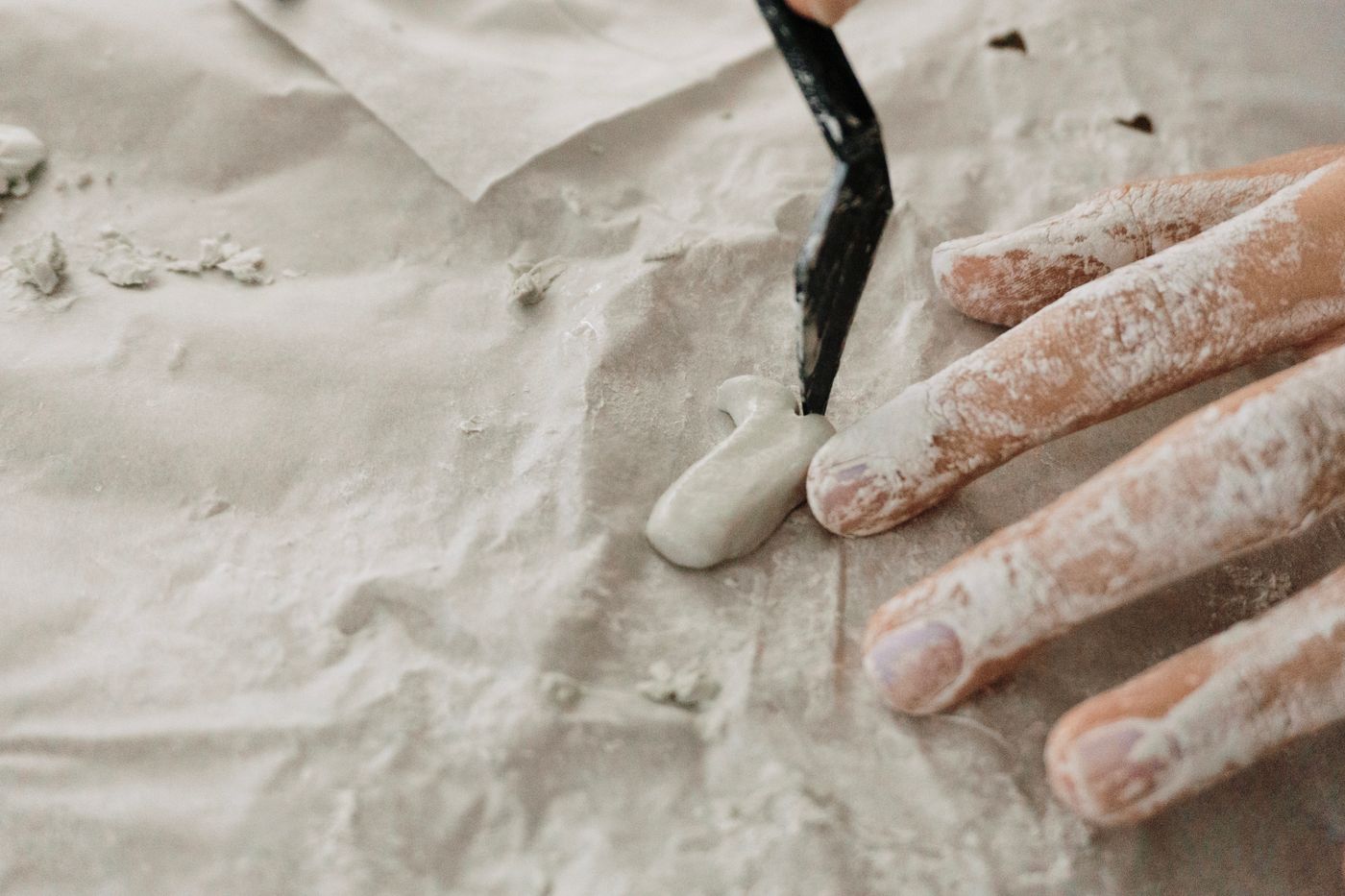
Use a clearly identified air-dry modeling material with age guidance and handling instructions suitable for your group. Different products can have different preparation, working, drying, and finishing requirements. Do not substitute an unidentified craft material merely because it looks similar in a photograph. The pictures here illustrate forming and texture; their materials have not been authenticated as the same product you use.
Read the packaging before the session, including any restrictions on contact, use, cleanup, or participation. This activity is for small decorative samples, not food-contact objects, toys for mouthing, candle holders, electrical accessories, or functional containers. An adult should choose and supervise the tools and materials. If the available product is unsuitable for a participant, offer an appropriate different activity without asking them to handle it.
Keep the first sampler deliberately small
Give each participant a modest amount of material and a manageable working area. Choose an initial sample shape that does not require precise cutting or complicated assembly. A roughly flat patch is sufficient for comparing impressions. Follow the material maker’s thickness and handling guidance rather than assuming a thin sheet will always dry well or remain strong.
Decide how many samples the household can actually dry and keep before adding more material to the table. Three small explorations may be more useful than a crowded collection that nobody can identify later. This is a texture session, so an irregular outline is not automatically a defect that needs another attempt. Keep the decision centered on the mark someone wants to explore.
Select a few safe, clean texture makers
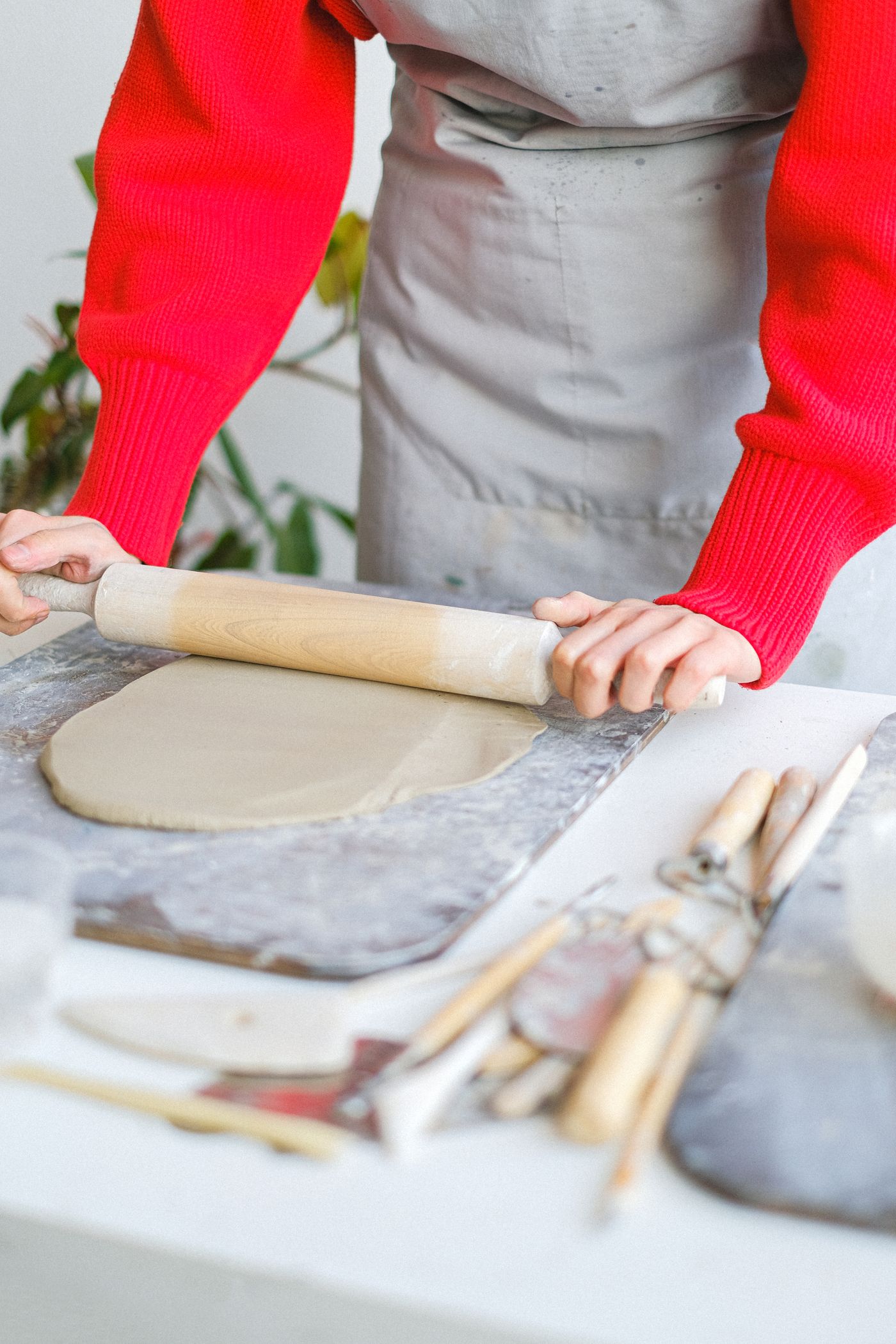
Choose objects suited to the participants, material, and intended contact. A purpose-made age-appropriate craft tool may provide a simple repeatable texture. Do not bring sharp objects, tiny loose pieces, unidentified plants, or valuable household items into the activity because their surfaces look interesting. An adult should assess and manage any natural material used, and skip it when suitability is uncertain.
Keep craft tools separate from food preparation equipment unless their instructions explicitly support the intended use and cleaning. A household rolling pin in a photograph is not a universal recommendation to borrow one from the kitchen. Use an appropriate dedicated tool or another maker-approved method. The setup should make the boundaries obvious before anyone starts reaching for nearby objects.
Explore one change at a time
Demonstrate a light impression on a suitable spare piece, following the material’s handling guidance. Then let each person decide where to place a mark on their own sample. Compare a single impression with a repeated pattern, or the same tool turned in another direction. Avoid asking a beginner to control every variable at once while also making the surface perfectly smooth.
If a mark does not appear as expected, describe what happened without assigning failure. The material may need a different permitted preparation or the chosen surface may make a shallow mark. Do not increase force indefinitely. Try a simpler texture or another suitable tool instead. The useful result is noticing a difference and choosing what to explore next.
Give every participant ownership of the sample
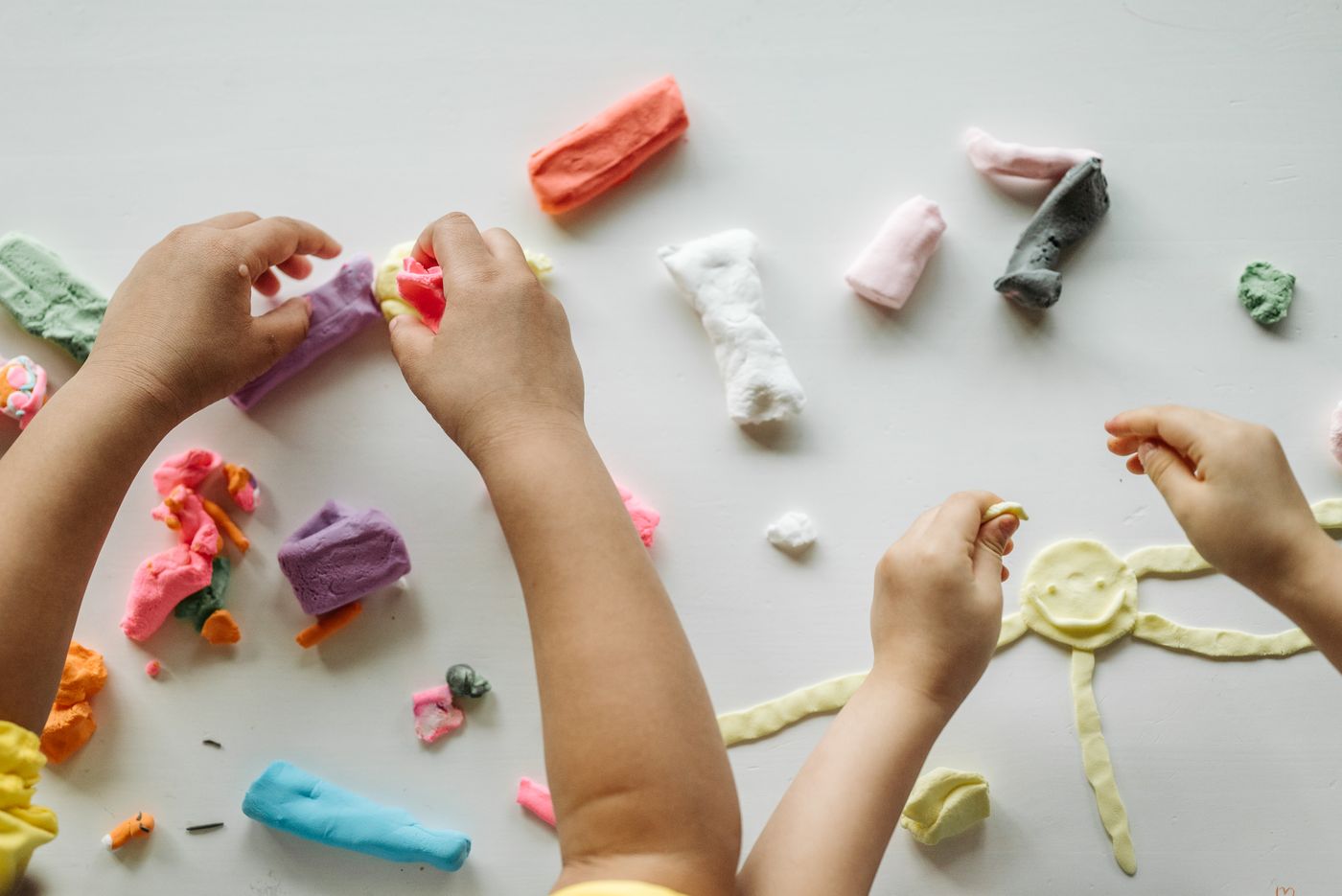
Keep hands on your own piece unless someone asks for help and agrees to it. An adult can demonstrate on a separate sample rather than correcting a child’s marks in place. Offer choices about placement and pattern without requiring everyone to imitate the example. Two people can use the same tool and arrive at different surfaces while still sharing one activity.
This differs from building a drawing from separate panels, where separate contributions become one combined work. Here, each texture sample remains its own small experiment. You can place the finished pieces together later without needing them to match. A participant who prefers one plain area beside a textured area has made a useful comparison, not an incomplete design.
Plan the drying destination before finishing
Prepare a suitable drying surface and location according to the product instructions before the first samples are complete. Keep the arrangement away from unintended handling and ordinary household traffic. Make sure the pieces can remain there for the required period. Do not plan to move soft samples repeatedly simply because the living-room table is needed again in an hour.
Transfer and support the samples using the method appropriate to the material. Identify ownership on a separate record or base where suitable, rather than carving a name into a surface that someone wants to leave untouched. If the household already uses the stage-based clay project storage routine, keep the drying stage distinct from finished display. A dry-looking surface is not automatically the end of the process.
Treat drying and finishing as product-specific steps
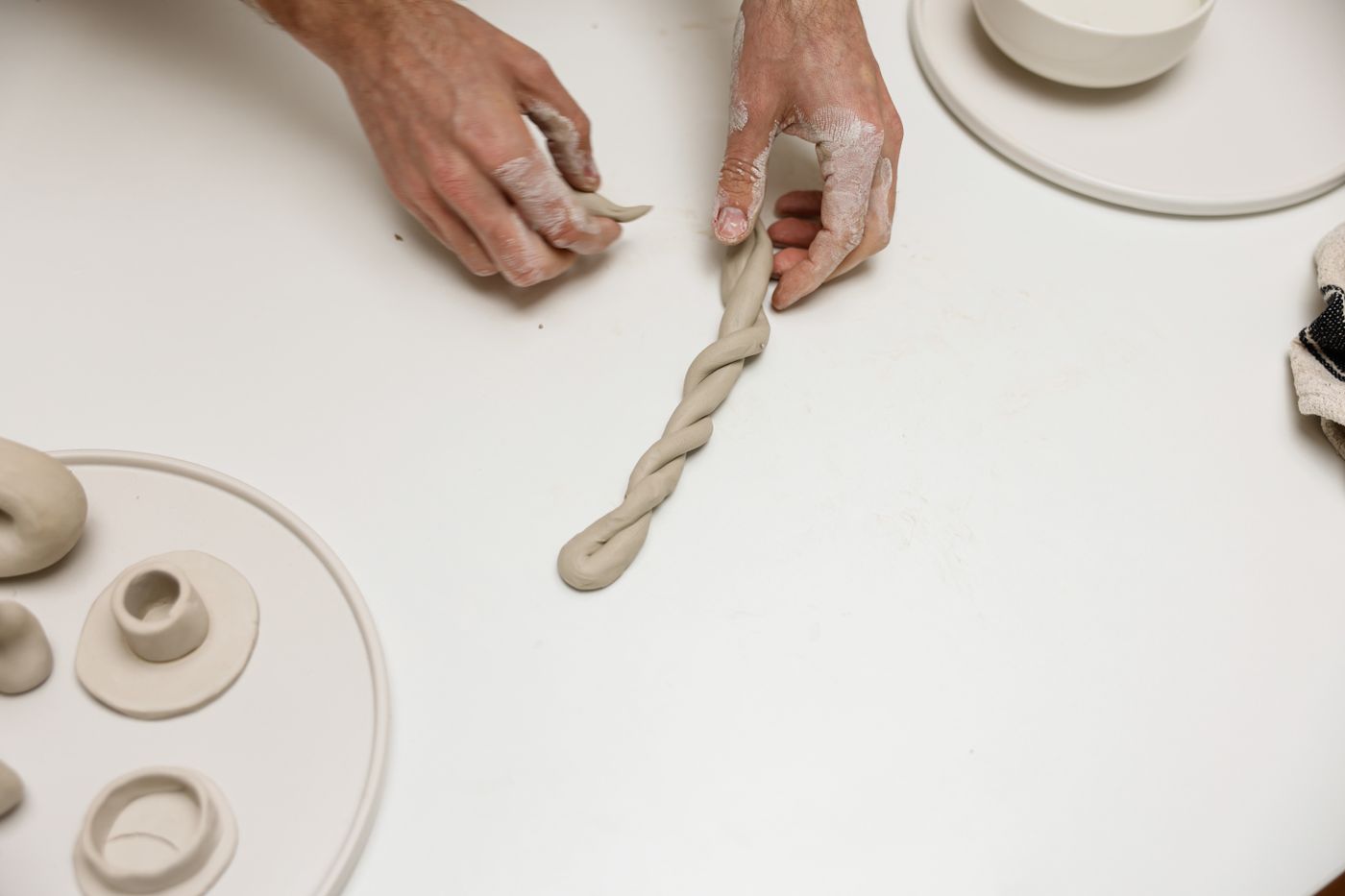
Follow the manufacturer’s actual drying requirements; do not use a universal time from a social post. Sample thickness, product, and conditions can matter, and the item’s instructions should guide any check. Avoid applying heat, sanding, paint, or sealant unless the product supports that step and an adult has assessed the materials and process for the participants.
Crayola states that its Air-Dry Clay is not waterproof, including when sealed. That limitation belongs to the named material and is especially relevant before imagining outdoor displays or wet-use objects. This sampler does not establish water resistance for any product. Keep the project’s purpose decorative and use the exact manufacturer’s guidance for the material you selected.
Share observations instead of scoring results
When the samples are ready to handle according to their instructions, invite each person to describe one mark they like or one thing they noticed. Ask about the action that made the mark rather than deciding whose sample looks most professional. Someone can also choose not to explain their piece. The session remains shared even when the participants have different interests and levels of confidence.
Compare the experience with a small paper-collage session if clay’s drying interval is impractical for your household this week. Paper may offer a more suitable finish for a short activity. Choosing another medium is a planning decision, not a lesser version of making something together. Match the project to the time, supervision, and space you genuinely have.
Finish by returning the room and limiting the display
Complete cleanup according to the material and tool instructions, including the working surface and hand care. Keep unused material in its specified packaging or storage arrangement. Do not wash accumulated craft material into a drain without checking its disposal guidance. Separate anything still awaiting drying or adult follow-up from equipment that is ready to put away.
Choose a small display group with the participants, or keep a photograph of selected results if that suits the family. The rotating handmade-display guide can help keep later projects from covering every shelf. The useful outcome is a shared experience and a few meaningful observations, with the living room available again and each remaining piece in a clear next stage.
Explore related decisions in our Family Home hub.
Sources and editorial scope
Editorial research checked October 23, 2026. Published trend reports are context for these editorial applications, not verified live keyword rankings. Practical household guidance; photographs do not document a tested household or authenticate pictured materials.
