
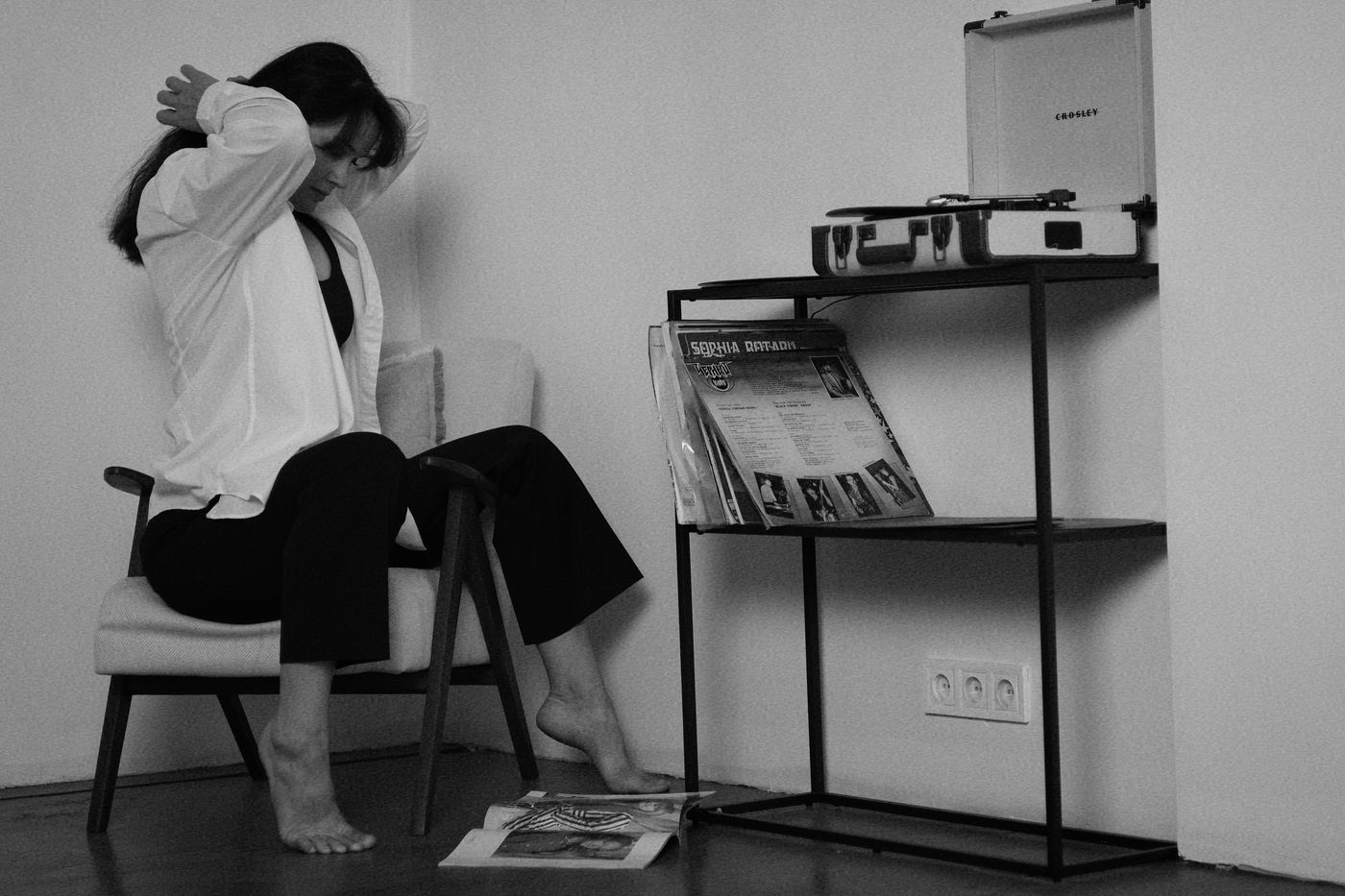
Plan a vinyl-listening corner around stable equipment support, usable record-handling space, and a seat you already enjoy. In a small rental, those decisions matter before a new console, wall shelf, or display rack. The corner should work while a record is being played and while the room is doing something else.
Pinterest’s fall 2026 creator report emphasizes hands-on, screen-free hobbies. A dedicated moment for listening is one editorial application of that broader direction. This guide does not claim that a particular turntable is trending, that vinyl always sounds better, or that new audio equipment is necessary for an enjoyable room.
Begin with your actual system and its manuals. A record player with built-in speakers, a separate turntable and powered speakers, and a system with an amplifier do not have identical placement or connection needs. The stock photographs show several formats and are context rather than verified examples to copy component for component.
Decide what the listening session includes
Try an ordinary session before rearranging furniture. Choose a record, remove it from its sleeve appropriately, operate the player, change sides, and put the record away. Notice which surfaces you borrow and which actions feel awkward. That sequence gives you a more useful brief than the equipment’s closed dimensions alone.
If you normally listen while doing something else, retain that option. A corner can support deliberate listening without insisting that every record becomes a formal event. Identify the one seat or activity position where the experience matters most and design for that real pattern.
Distinguish listening from instrument practice. Our digital-keyboard corner guide addresses another music activity with its own movements and timing. A turntable does not need space for a performer, but it does need room for records, lids, controls, cables, and ordinary maintenance.
Use an existing support only if it suits the equipment
Check the equipment’s size, weight, required clearances, and intended support. A narrow decorative shelf or light folding table may not be appropriate. Assess the actual furniture and its condition instead of assuming that an item that looks like a record console has the necessary capacity.
The support needs to remain steady during normal room use. Observe what happens when someone walks nearby, opens a drawer, or reaches for an adjacent object. Do not attempt to solve a loose piece of furniture by simply adding heavier equipment to it.
Yamaha’s turntable-placement guidance recommends a stable support and a level turntable. Follow the leveling method for your own model rather than adjusting unknown parts until a phone reading looks pleasing. If the furniture itself is unsuitable, choose another existing position or reconsider the setup before playing records there.
Separate speakers from the turntable where required
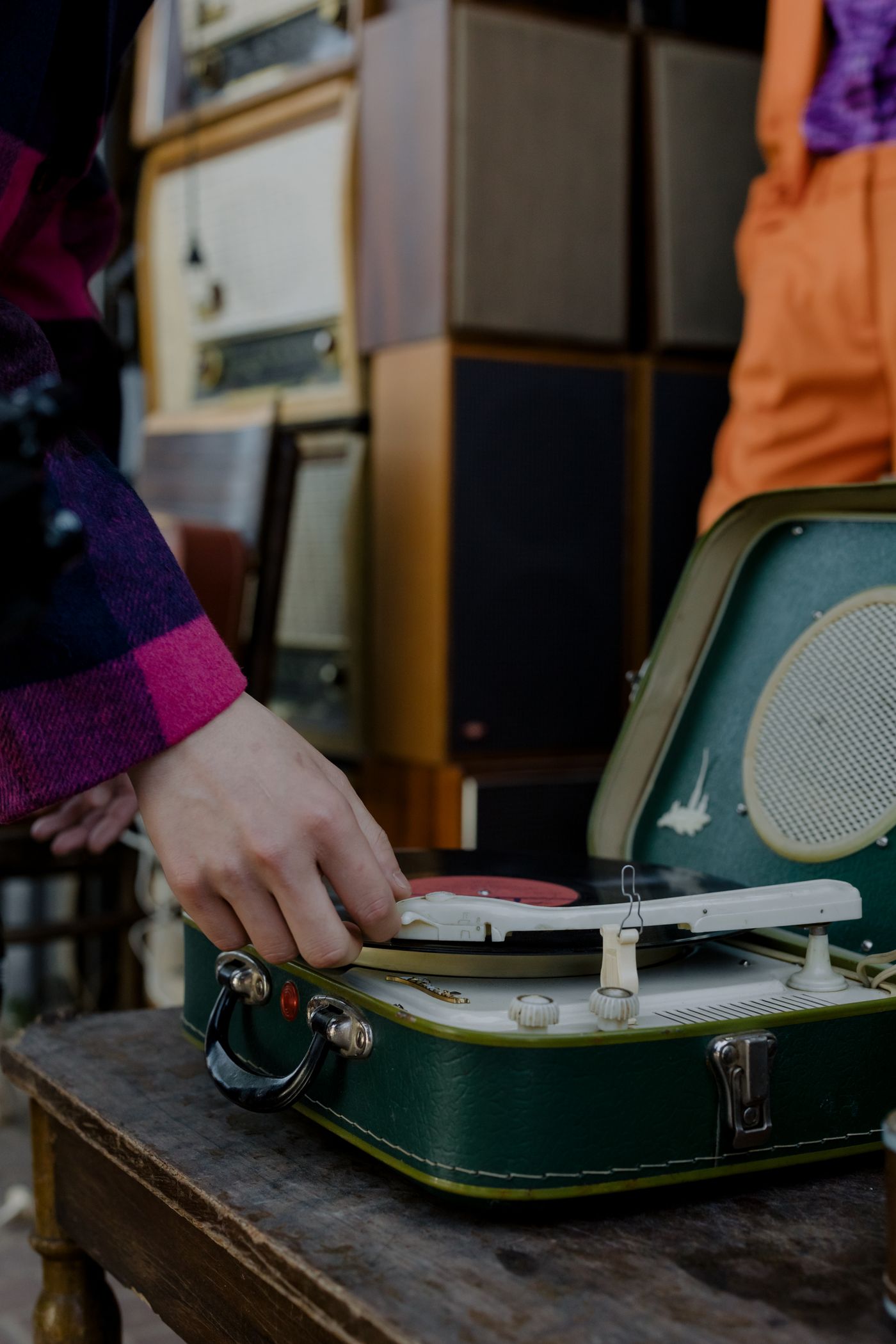
Yamaha advises placing speakers on a different surface from a turntable to limit vibration reaching the playback mechanism. Fluance similarly explains that speaker vibration can be picked up by the stylus and create feedback. These are practical placement considerations, not a promise that every separate surface will solve every sound problem.
Map the supports you already have. You may be able to use a stable suitable cabinet for the turntable and other approved positions for the speakers. Check each component’s instructions, ventilation, orientation, and cable requirements. Do not put a speaker on an unstable ledge simply to achieve separation on paper.
If the system cannot fit appropriately, avoid buying decorative furniture first and hoping it will cure the issue. Establish the placement the actual equipment needs, then decide whether the room can accommodate it. A simpler listening arrangement may be more sensible than introducing several new pieces into a narrow rental.
Leave room for the open lid and the record
Measure the equipment in its working state. Include the lid movement and the space needed to approach the record and controls. A player that fits under a shelf when closed may be difficult or impossible to use beneath it. Follow the model’s directions about the lid during playback and handling.
Give the sleeve a suitable temporary place. Do not make the floor, a radiator, or a drink-covered side table the default because the equipment support is full. The album’s cover can be part of the visual pleasure of listening, but its display position still needs to protect the record and packaging appropriately.
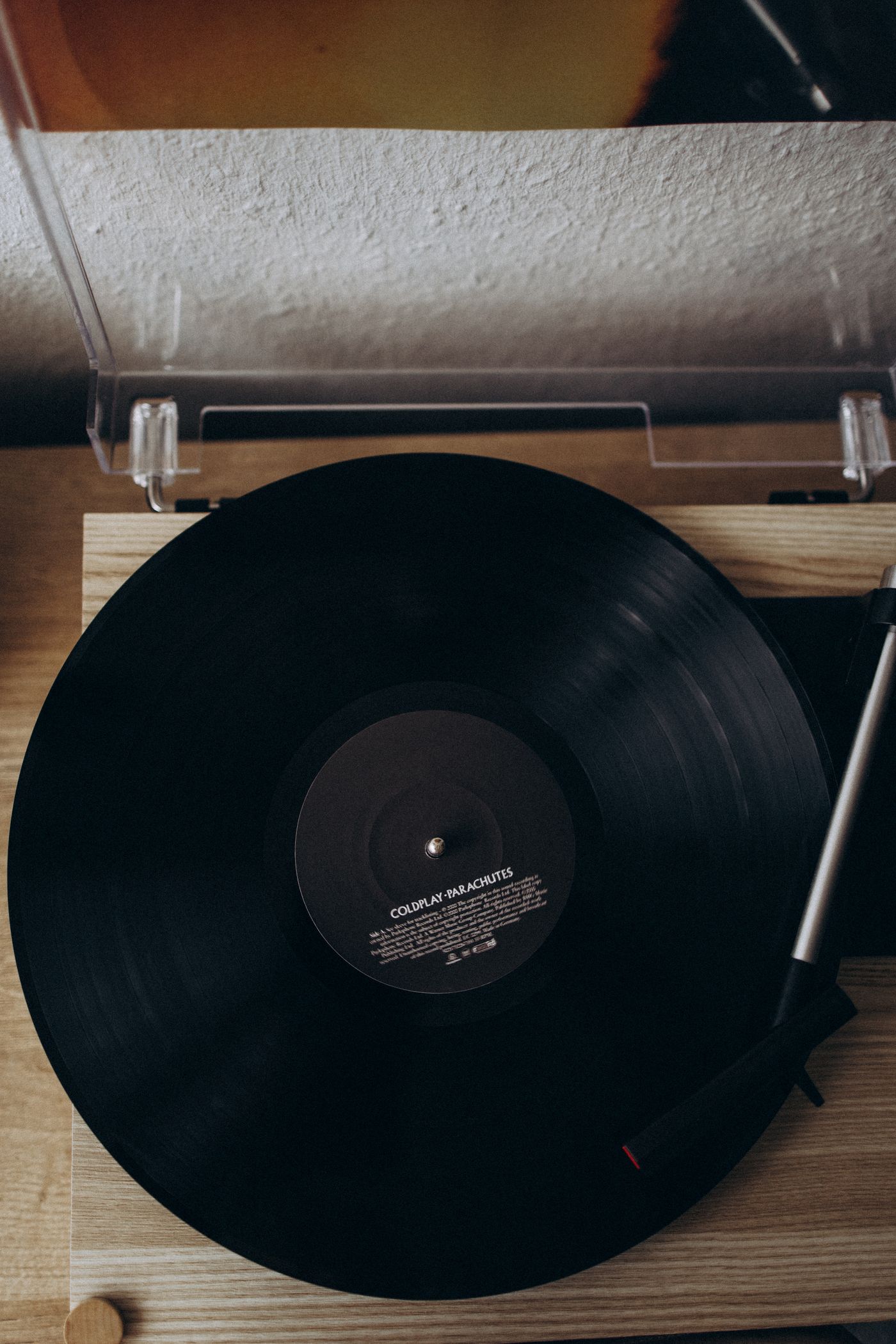
Keep the turntable itself free of decorative objects that interfere with its intended use. A small plant, candle, or figurine can make the arrangement look personal while creating an awkward reach or introducing moisture, heat, or loose material. Put visual details on a separate suitable surface if they are worth keeping nearby.
Preserve ventilation and ordinary access
Do not stack a turntable on an amplifier or receiver to make the footprint look smaller unless the manufacturers explicitly permit the arrangement. Yamaha’s guidance warns about obstructing amplifier airflow. Follow the specific ventilation clearances for every powered component rather than applying one general gap to the whole system.
Check access to the room’s everyday storage. If opening a cabinet door moves a speaker cable or requires lifting a record player, the arrangement is still unresolved. You may need a different position within the existing furniture rather than additional accessories.
Our comparison of open media consoles and closed storage can help you think through access and visual clutter. An enclosed-looking solution may hide the equipment while making operation awkward. An open position may be easier to use but needs an appropriate dust and storage plan. Choose the tradeoff deliberately.
Route the real cables before judging the layout
Identify the connections your system actually requires. Check cable lengths, plug access, and the route between components using the product instructions. Keep cables out of walkways and moving furniture paths. Do not stretch a lead across an opening because the visible equipment position looks better there.
Our guide to cables and tech clutter addresses the household route and storage problem. Keep audio troubleshooting separate from tidying: a hum or connection issue needs appropriate equipment guidance, not simply a tighter cable bundle. Labeling a connection can help you restore the system after cleaning without changing its intended setup.

Avoid an arrangement that must be disconnected after every side of a record to reclaim a working desk. If the room has to change roles, define a sensible session boundary and a suitable pack-away method for equipment intended to move. Some systems are better left in one approved position rather than repeatedly relocated.
Keep a small current selection of records
Choose the albums you expect to use soon and give the rest appropriate storage elsewhere. Follow record-care guidance for orientation, support, environmental conditions, and handling. Do not turn an unused floor gap into an improvised leaning pile just because it is next to the player.
Our YINMIT vinyl-rack review examines one ready-made storage option for a shared room. It is relevant only if the dimensions, capacity, and use suit the actual collection. The listening layout does not depend on that purchase, and a rack cannot compensate for an unsuitable turntable position.
Consider where a record goes while the sleeve is being handled. A clear supported routine is more useful than displaying every album cover at once. Keep the current selection modest enough that returning a record after listening remains a simple final step.
Agree the shared-room timing
Tell the people who share the rental how the corner will be used. Discuss ordinary listening times and the surrounding tasks that need quiet. A permanent-looking setup does not give one person a permanent claim on the room’s sound or seating.
If your system supports headphones in the intended configuration, that may offer another way to share the space. Confirm the actual connections and operating directions rather than assuming a turntable output can drive any headphones directly. Choose the option your system and household can use comfortably.
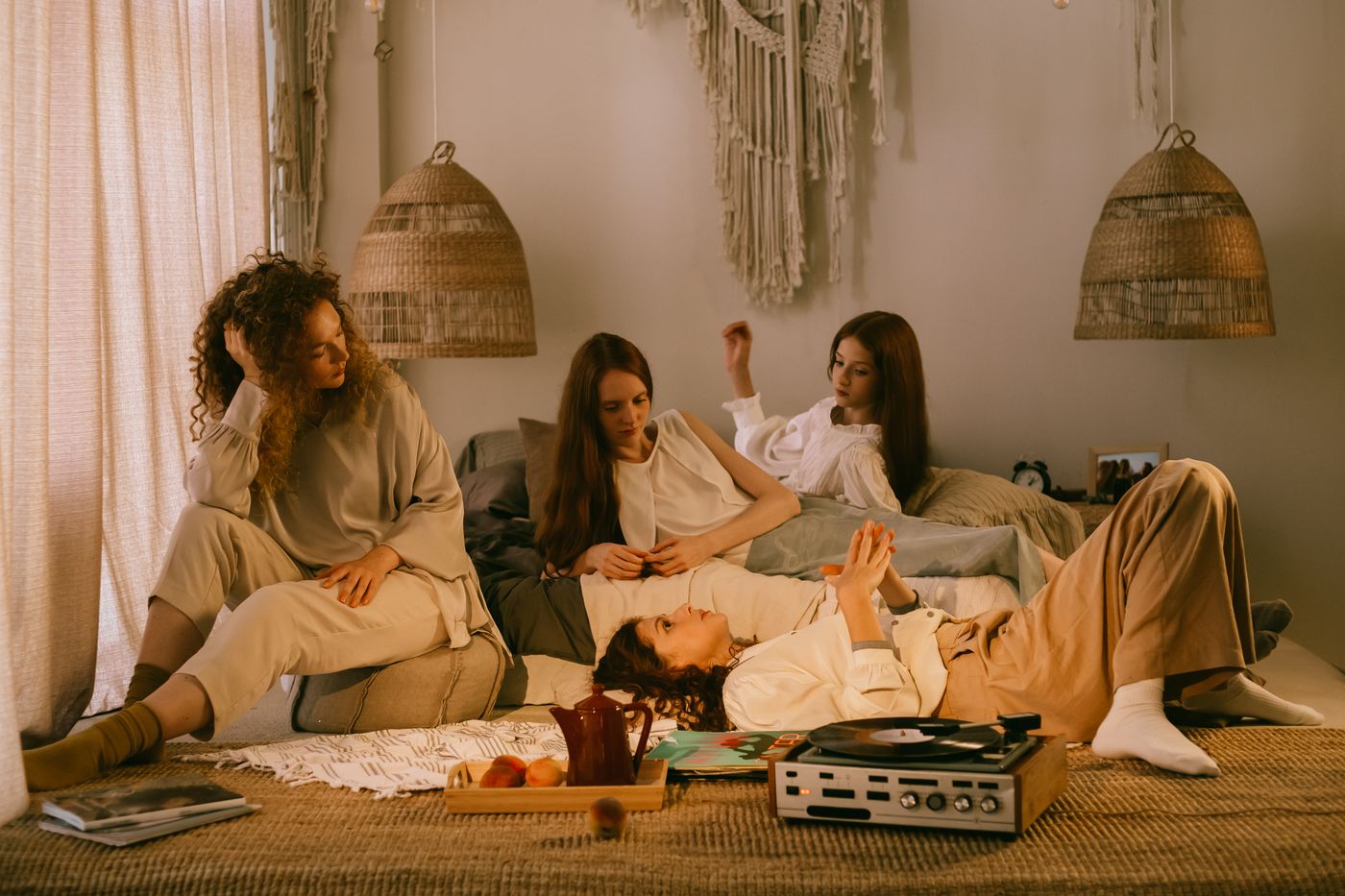
Keep the seat flexible. A chair can face the music for a session and return to its ordinary position if that movement is easy and leaves the rest of the room usable. Avoid adding a second dedicated chair when the existing one already provides a comfortable listening place.
Try several sessions before changing the furniture
Notice the repeated interruption: an awkward lid, nowhere to set a sleeve, a cable in the way, or a support that reacts to movement. Resolve that specific issue through the equipment’s instructions and the room’s actual constraints. Do not assume a larger console solves every problem merely because it holds more objects.
Keep any rental changes within the tenancy’s permitted methods and obtain agreement where required. New wall supports are a separate installation decision with load, fixing, and surface requirements. There is no need to introduce them if a suitable existing arrangement works.
The corner is successful when selecting, playing, and returning a record feel straightforward, and everyone can still use the surrounding room. Its character can come from the music and the collection you already value, with equipment positions chosen for operation as carefully as for appearance.
Explore related household decisions in our Small-Space Living hub.
Sources and editorial scope
Editorial research checked October 15, 2026. Trend-report dates and limitations are stated in the article; these are editorial applications of published signals, not verified October keyword rankings. Practical household guidance; illustrations do not document a tested household or authenticate a pictured material.
