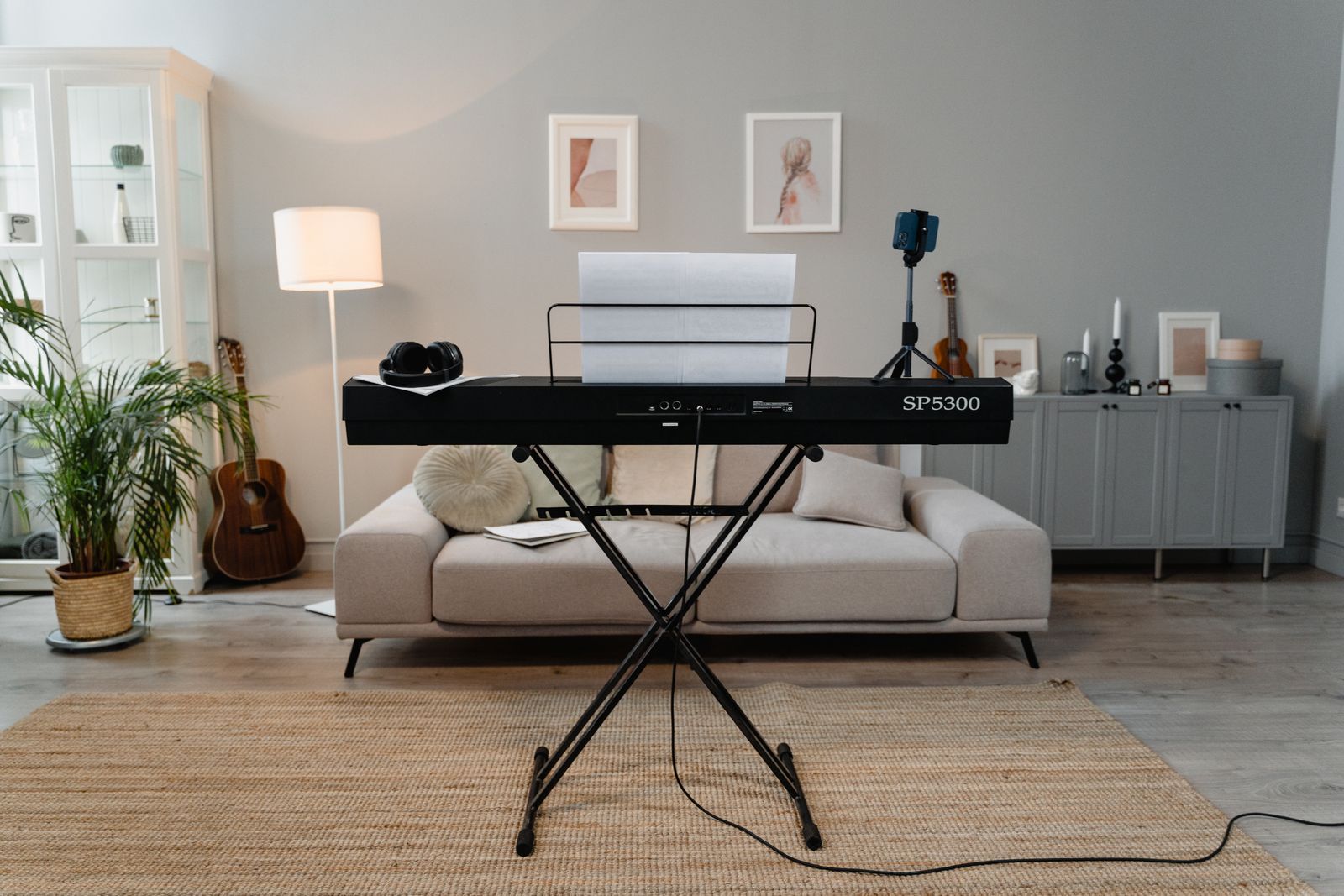
A digital keyboard can fit against a living-room wall and still be difficult to use. The bench blocks a drawer, the music is stored in another room, and the power lead has to be untangled before each practice. The instrument’s width is only one part of the space it needs.
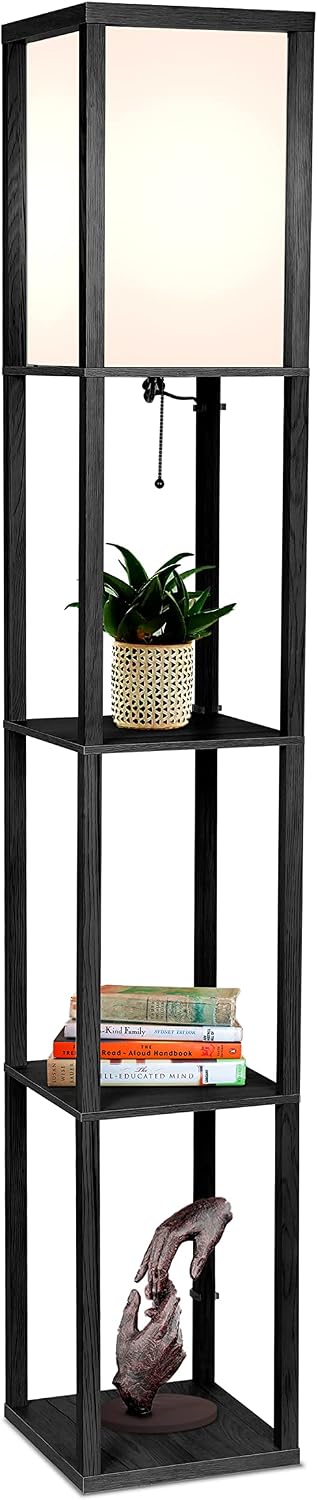
Plan a practice corner around the complete session: approach, sit, play, finish, and restore the room. This guide covers an existing digital keyboard or one whose exact dimensions and installation directions you can obtain. It does not recommend an instrument, prescribe acoustic treatment, or decide what your building permits. Start with the actual equipment and the household’s use of the room. If you are working on the same space, Brightech Maxwell Shelf Floor Lamp Review: Can One Corner Hold Light and Storage? covers the next decision in more detail.
List the equipment that belongs to normal practice
Record the keyboard model, its dimensions, and the maker’s requirements for support, power, ventilation, and connections. Include the compatible stand or furniture, seat, pedal if used, music support, and headphones if appropriate. A photograph of an attractive keyboard setup is inspiration, not confirmation that its stand is suitable for yours.
Separate daily equipment from occasional accessories. Keep the materials used during ordinary practice within reach. A collection of cables, old songbooks, recording tools, and instrument packaging does not all need to occupy the corner. Each additional item should have a recurring task or another suitable storage address.
If you are choosing an instrument, request the exact dimensions and required supporting equipment before arranging the room. Do not assume all keyboards described as portable have the same depth, weight, or stand compatibility. Add the cost and space of required accessories to your decision rather than comparing the keyboard alone.
Measure the occupied position
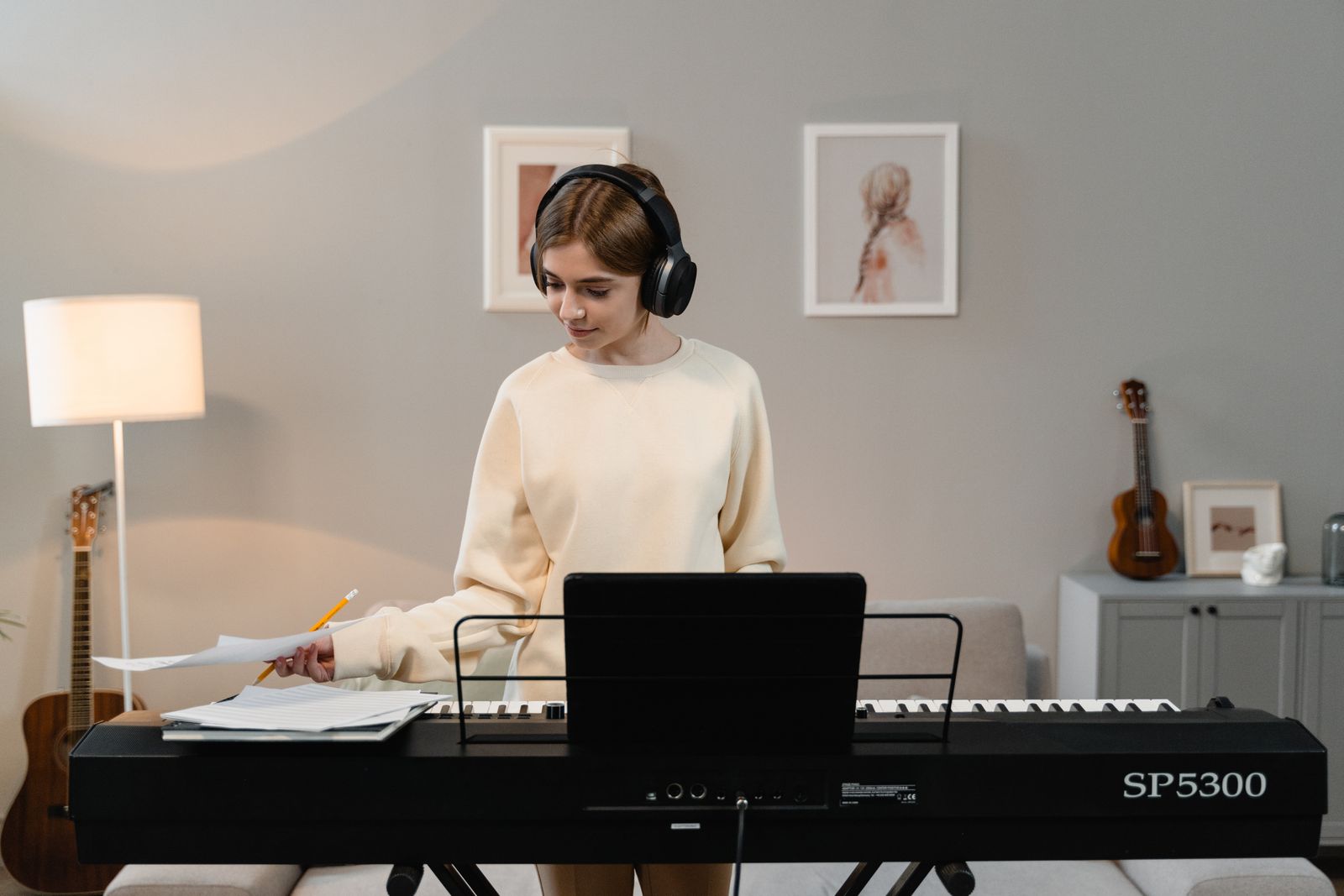
Measure the instrument and its installed support as the maker directs. Include projections, connections, and any clearance needed for operation. Then add the actual seat and the space you occupy while playing. Test the position with the seat pulled out and a person sitting normally. The unoccupied stand footprint cannot tell you whether the practice corner fits.
Check the room’s ordinary routes. Can another person reach the sofa, storage, and door without stepping around the pedal or cable? Can you leave the seat without moving the instrument? Give the occupied position its own place on a simple floor plan. This reveals conflicts that disappear when furniture is drawn as a few neat rectangles. You may also find How to Create a Reading Corner in a Small Family Home Without Adding Another Room useful for a closely related small-home problem.
Try the position at the times you plan to practice. A corner beside the dining table may be clear in the morning and essential for another activity later. A permanent arrangement should fit the room’s normal use; a temporary arrangement needs an agreed setup and return route. Neither succeeds if the household has to renegotiate access every session. You may also find Make a Temporary Halloween Family Photo Corner in a Small Living Room useful for a closely related small-home problem.
Our guide to arranging a small living room helps map the surrounding activity routes. Keep the instrument’s occupied footprint visible when you make those larger furniture decisions.
Choose appropriate support before styling the corner
Use a stand or furniture arrangement suitable for the exact equipment, following the maker’s assembly and use directions. Check the recommended installation and any required fasteners. Do not infer load suitability from how sturdy an unrelated desk appears. If compatibility is unclear, ask the manufacturer or an appropriate equipment professional before relying on it.
Position the seat for the player and instrument rather than selecting it solely because it tucks neatly under the stand. The player should be able to use the equipment comfortably within its intended arrangement. A decorative stool may photograph well while offering the wrong practical position. Individual needs can require suitable instruction or specialist advice.
Keep the support stable in the actual floor position. Follow relevant requirements for the equipment and household. If children use the corner, provide appropriate supervision and choose an arrangement that accounts for their access. A small footprint does not justify an unstable support or a setup that encourages climbing to reach the instrument.
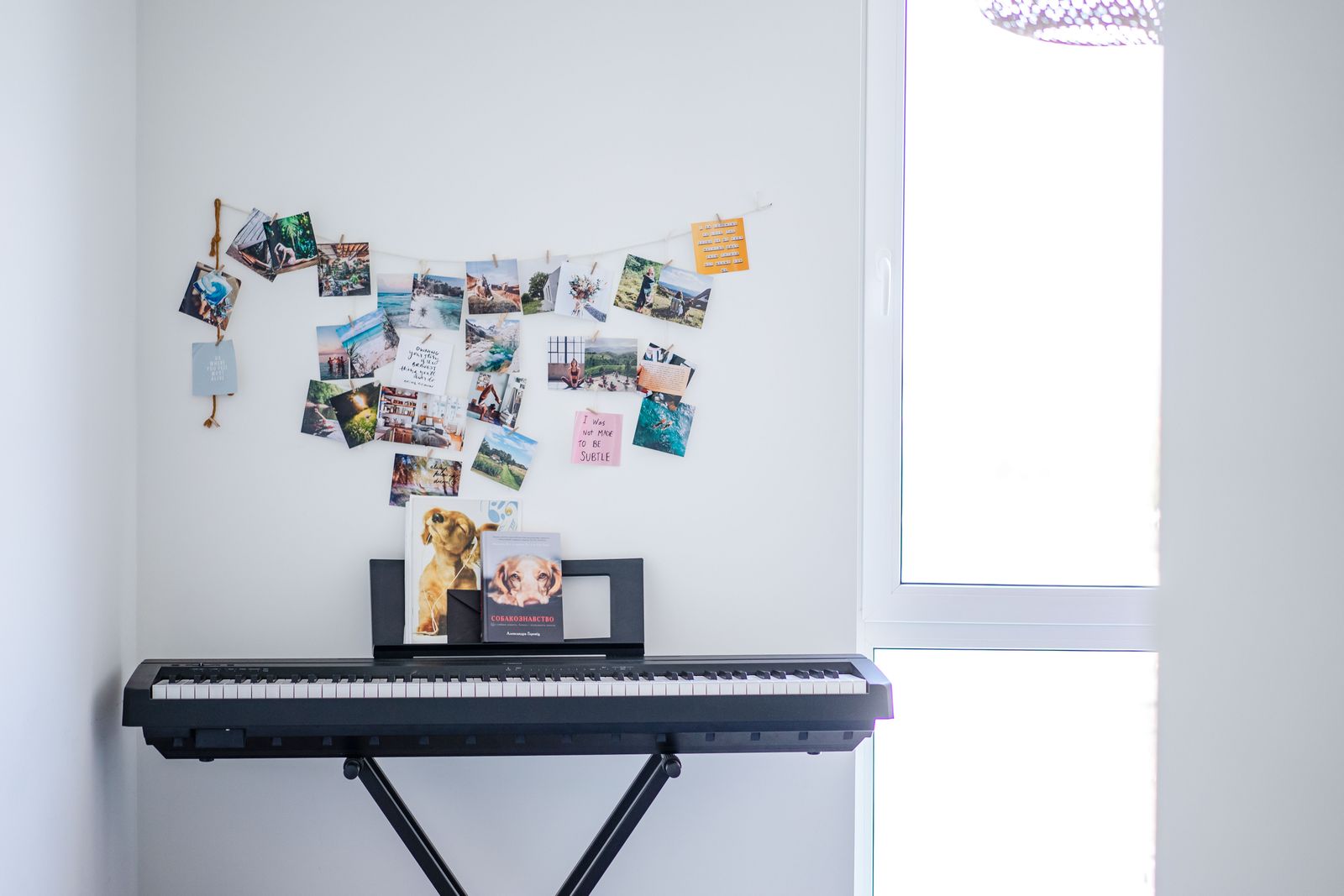
Plan power, headphones, and music access
Use the specified power equipment and follow its directions. Keep leads clear of walking routes and suitable for their location. Check that connections are accessible without repeatedly pulling the keyboard forward. A preferred wall is a poor location if it requires an unsuitable connection across the room.
If you use headphones, verify compatibility with the instrument and follow appropriate equipment and listening guidance. Headphones can change how you practice, but they do not settle every building or household sound issue. Key action, movement, conversation, and other equipment may still be audible. Discuss the real arrangement rather than describing it as silent without a check.
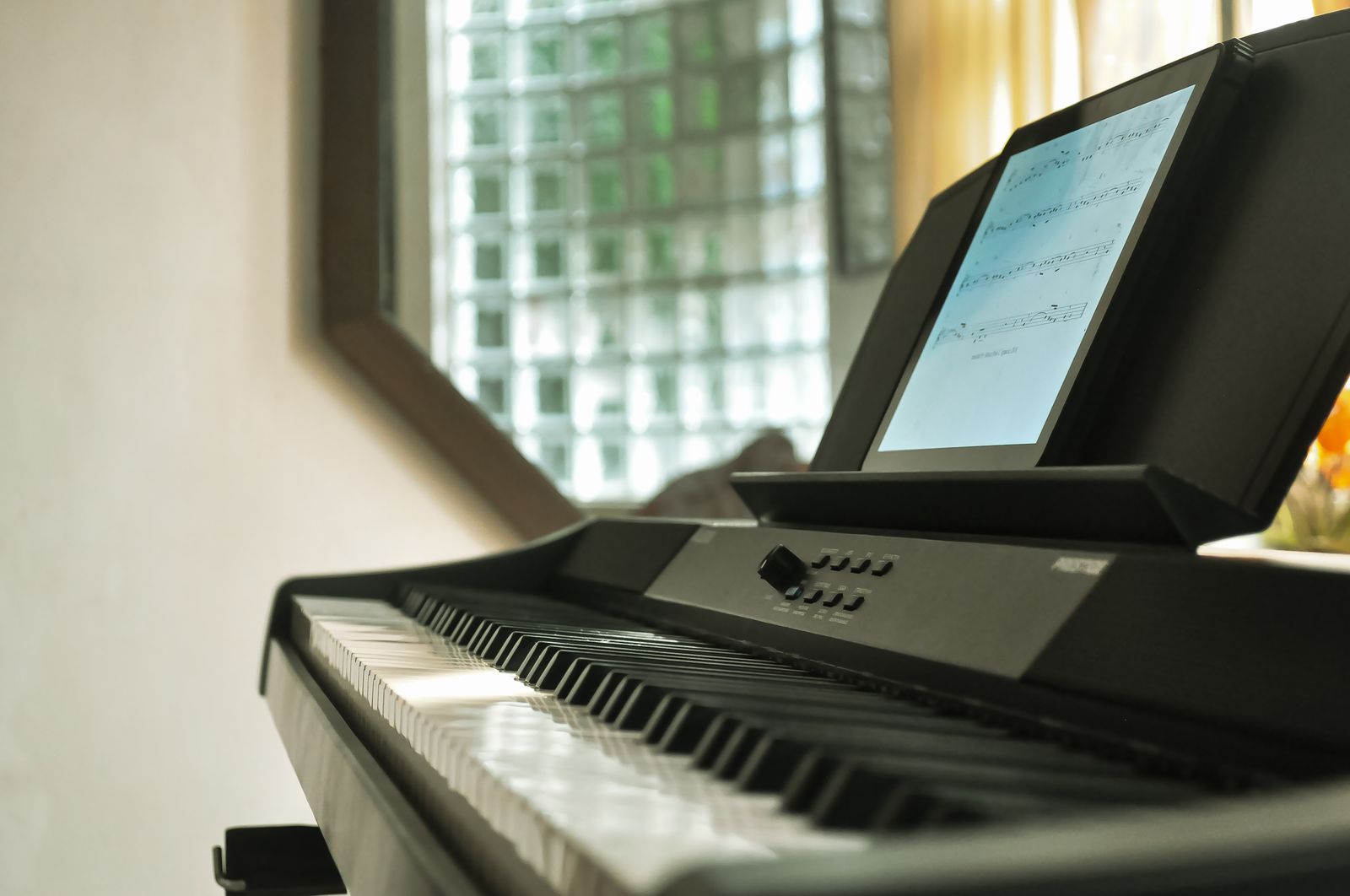
Place the current music where you can retrieve it without leaving the instrument or reaching behind it. Use the compatible music support as intended. For a tablet or other device, check its stable position, connection needs, and the instructions for its support. Avoid letting an unrelated screen accessory crowd the keyboard’s controls.
Store additional music separately by a useful rule: current lessons, frequently used pieces, and reference material. The pack-away hobby zone guide offers a helpful distinction between an active session and the wider supplies collection. A practice corner needs today’s material, not every book you have ever owned.
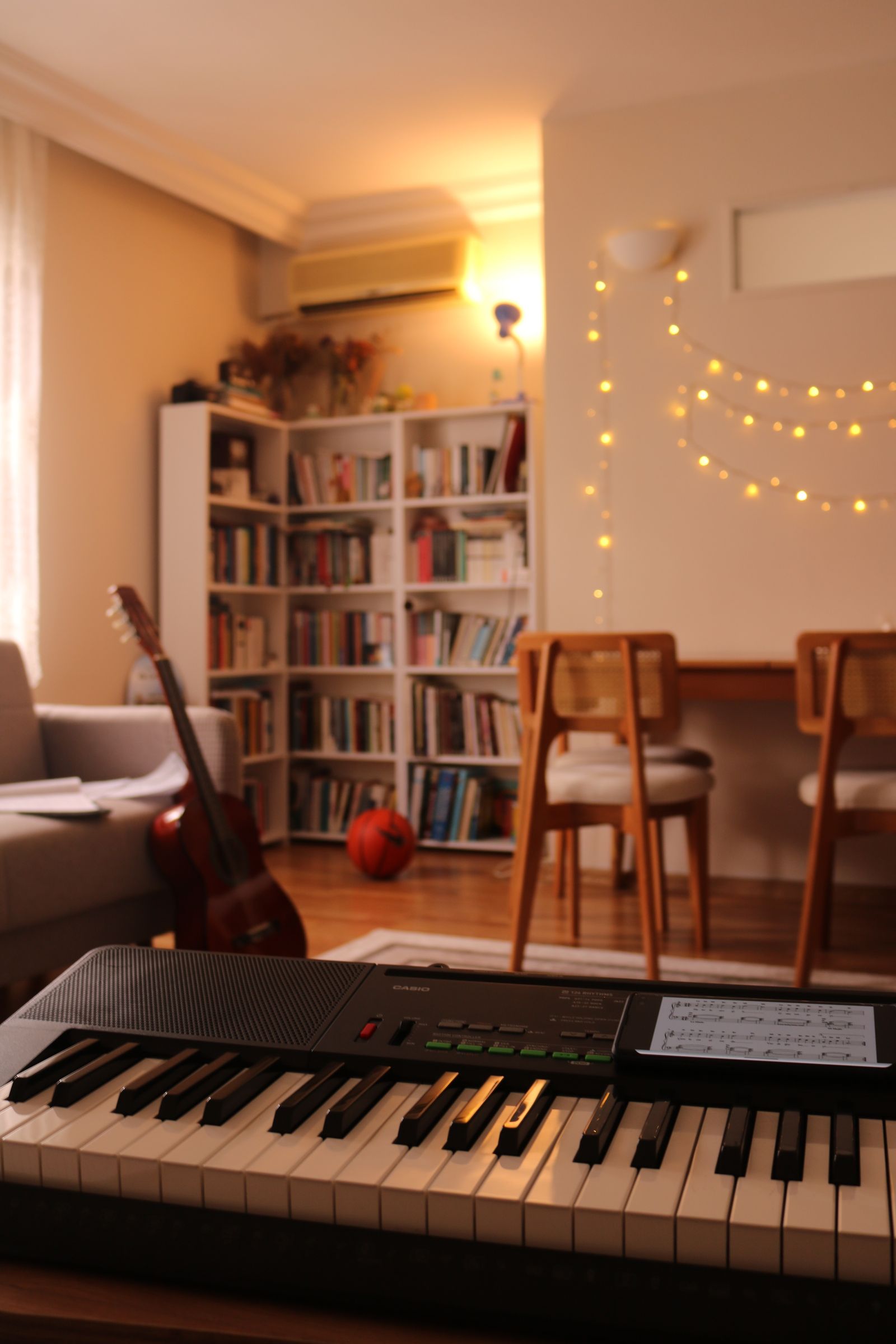
Agree on practice windows in the shared room
Identify when practice can happen without repeatedly displacing an essential household activity. Ask the people involved which times work, and observe applicable building rules. A realistic short window you regularly use is more valuable than reserving a room for a long session that rarely happens.
Give interruptions an ordinary plan. Decide what happens if someone needs the table, a child needs assistance, or a call overlaps the practice time. Keep care responsibilities with the appropriate person. The agreement should explain how to pause and restart rather than assume that everyone can remain uninterrupted.
Our quiet-time coordination guide can help organize simultaneous activities. The keyboard arrangement adds a physical question: when practice stops, does the occupied seat or connected equipment still block the room?
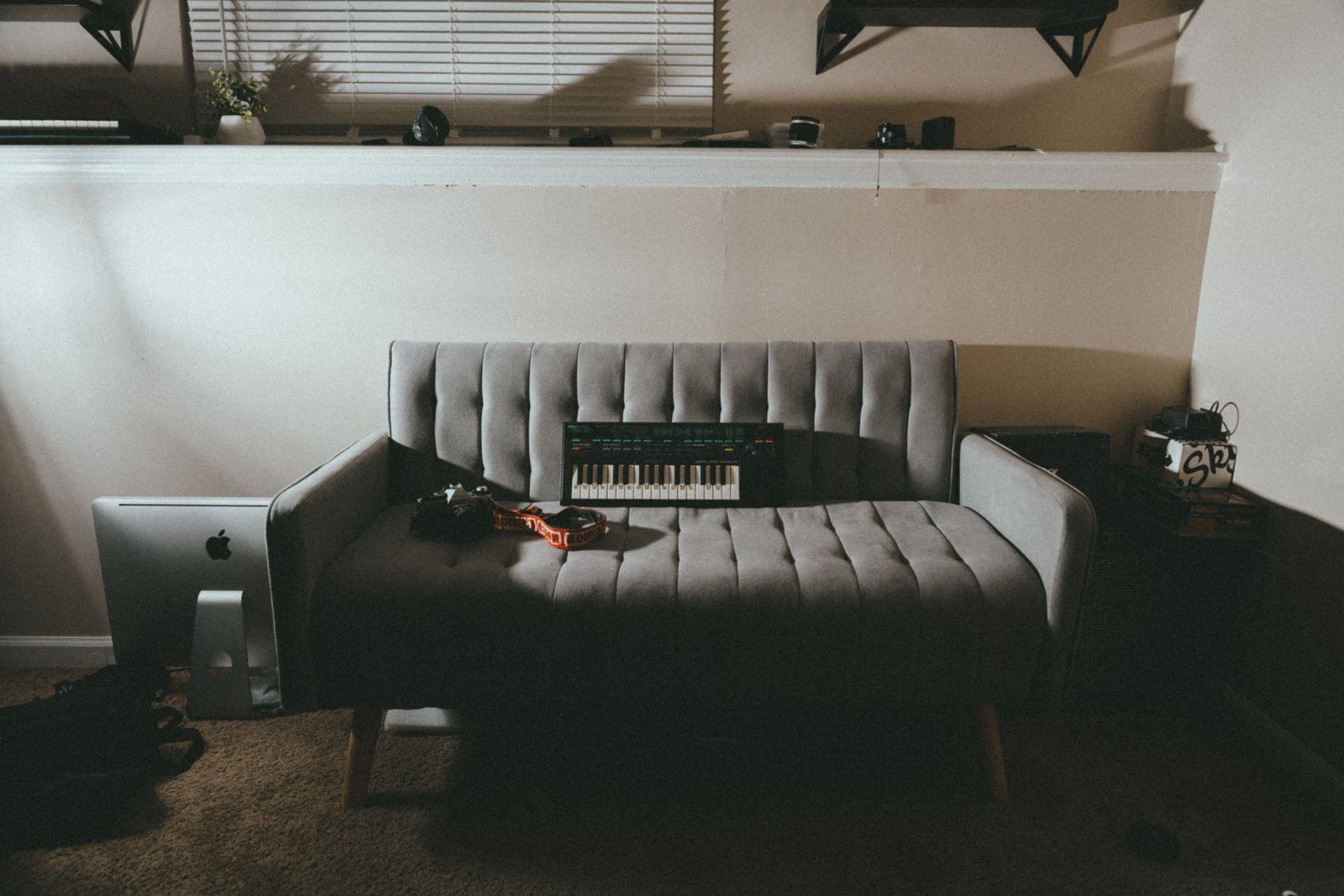
Choose a return routine you can actually complete
For a permanent corner, follow the maker’s shutdown and care directions, return music and accessories, and restore the seat to its agreed position. Keep the area around the stand clear. A permanent installation still needs a session-ending routine so unrelated objects do not accumulate on the keys or supporting furniture.
For a temporary arrangement, confirm that moving and storing the equipment is appropriate under its instructions. Decide who handles it, what route they use, and where each compatible component returns. Do not assume repeated disassembly is intended for a stand simply because it can be taken apart once. Ask about the exact model if that matters to the plan.
Test retrieval and return before committing to a hidden storage location. Include the equipment’s weight and handling requirements, the doors you must open, and other items that must be moved. A closet that technically contains the keyboard may impose so much setup that practice is routinely postponed.

Use a short trial before buying more furniture
Try a complete weekday session with the household’s other activities present. Start from the stored or resting arrangement, retrieve the current music, take the seat, follow the equipment’s use directions, and finish with the room restored. Record which step you postpone. If the setup works only when nobody else is home, the room agreement needs further attention before you call the corner ready.
For a practice space shared by two players, identify which adjustments each person needs and whether the equipment supports them. Keep each player’s current music distinct. Agree who resets adjustable components as directed and where accessories return. The handoff should not depend on the second person guessing which arrangement the first person left behind.
Keep cleaning access in the fit check. Follow the equipment’s care directions and make sure the surrounding floor can be attended to without awkward lifting or unsuitable disassembly. If the corner becomes a place nobody can reach for normal room care, revise its position. A slightly different arrangement may preserve the practice routine while making everyday maintenance much easier.
After several sessions, name the actual obstacle. It might be seat access, a poorly stored music book, or an unsuitable practice time. Solve that specific issue. Extra shelving will not improve a stand that blocks a door, and a narrower instrument will not automatically solve an incompatible power route.
Keep a brief layout record with the equipment model, compatible support, occupied dimensions, and agreed household routine. If the player or equipment changes, repeat the fit check. A child’s developing needs or a replacement instrument may change the arrangement even when the room itself stays the same.
Explore Small Space Living and our Living Room guides for surrounding furniture choices. A useful practice corner lets you begin with the equipment ready, use the instrument comfortably, and end with the room’s routes available again.