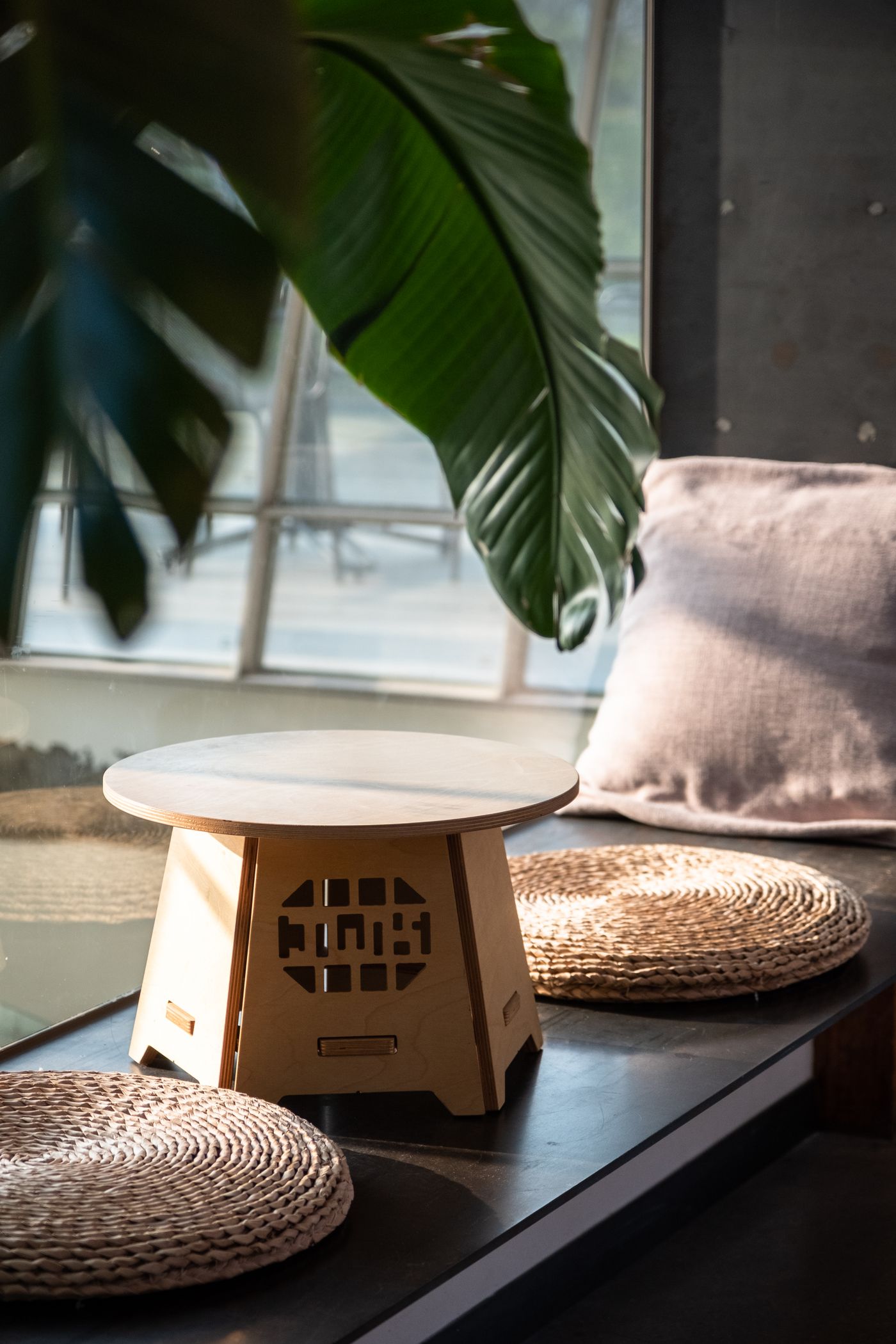
A floor-cushion corner earns its place when people can sit, change position, and leave it without rearranging the room. Try a small temporary setup first and keep an ordinary chair available. Low seating can offer a different atmosphere, but it should not remove the seats the household already uses comfortably.
Houzz’s fall 2026 report connects personal interiors with long-term livability. This layout applies that idea to a modest low seating area rather than a renovation. It does not claim floor cushions are a measured bestseller or a better choice for every guest.
The useful starting point is the activity. Reading a few pages, talking with a friend, and eating a full meal make different demands on a seat and nearby surface. Choose one intended use before arranging a picture-perfect corner around a small table.
Try the sitting position before choosing the decor
Use a suitable existing cushion or seat and spend a little ordinary time in the proposed position. Notice whether the support stays in place, whether you can change posture comfortably, and whether getting up works for you. A brief staged photograph does not answer those questions.
Do not invite a guest to discover that floor seating is their only option after they arrive. Keep an appropriate conventional chair available and make choosing it feel ordinary. Different people can share an activity while sitting at different heights, provided the layout gives them a comfortable view and way to participate.
If the floor position does not work, stop the trial without treating it as a design failure. A low chair, an existing sofa corner, or a simpler arrangement may deliver the relaxed atmosphere you wanted. The household’s actual comfort is better evidence than a trend image.
Mark the space occupied during use
Look beyond the cushion’s stored dimensions. A seated person needs space for feet, knees, position changes, and the movement involved in standing. Observe those actions in the actual room. A cushion that fits between a sofa and a cabinet may still leave no useful way to enter or leave it.
Keep doors, drawers, and the normal route through the room working. Include the open position of each moving item. If you must move the floor seat every time someone reaches the cupboard, decide whether it should be a short-session setup rather than permanent decor.
Our guide to chair clearance and walkways develops this movement-first approach for a dining room. Do not copy its application blindly onto a floor seat. Use the principle here by watching the actual movements this corner needs and keeping a practical route around them.
Choose a surface only if the activity needs one
A conversation corner may not need a table. Reading might require only a suitable nearby place for the book. Adding a low table automatically can turn a flexible seating choice into a permanent obstacle, so start without one unless the activity provides a reason.
If you need a surface, check the seated reach and the distance needed to leave the cushion. A table can be close enough for a cup while still blocking the movement of a knee or foot. Test the position with the objects you actually plan to use, and choose suitable stable support for them.
Our coffee-table, ottoman, and no-table comparison can help you judge the tradeoff. The question is not whether a table completes the look. It is whether the surface improves the activity enough to justify the space it occupies during and between sessions.
Keep the surrounding furniture useful
Do not sacrifice the household’s most reliable chair merely to make a symmetrical floor arrangement. Try placing the low seating within view of the existing seats so people can choose where they are comfortable. Keep shared items reachable without one person repeatedly passing everything down to floor level.
Consider what the sofa and chair paths look like when occupied. A floor cushion may be clear of an empty armchair but directly in the foot space of the person sitting there. Leave enough separation for the actual users, and avoid placing a low seat where it becomes a surprise object on the way to a doorway.
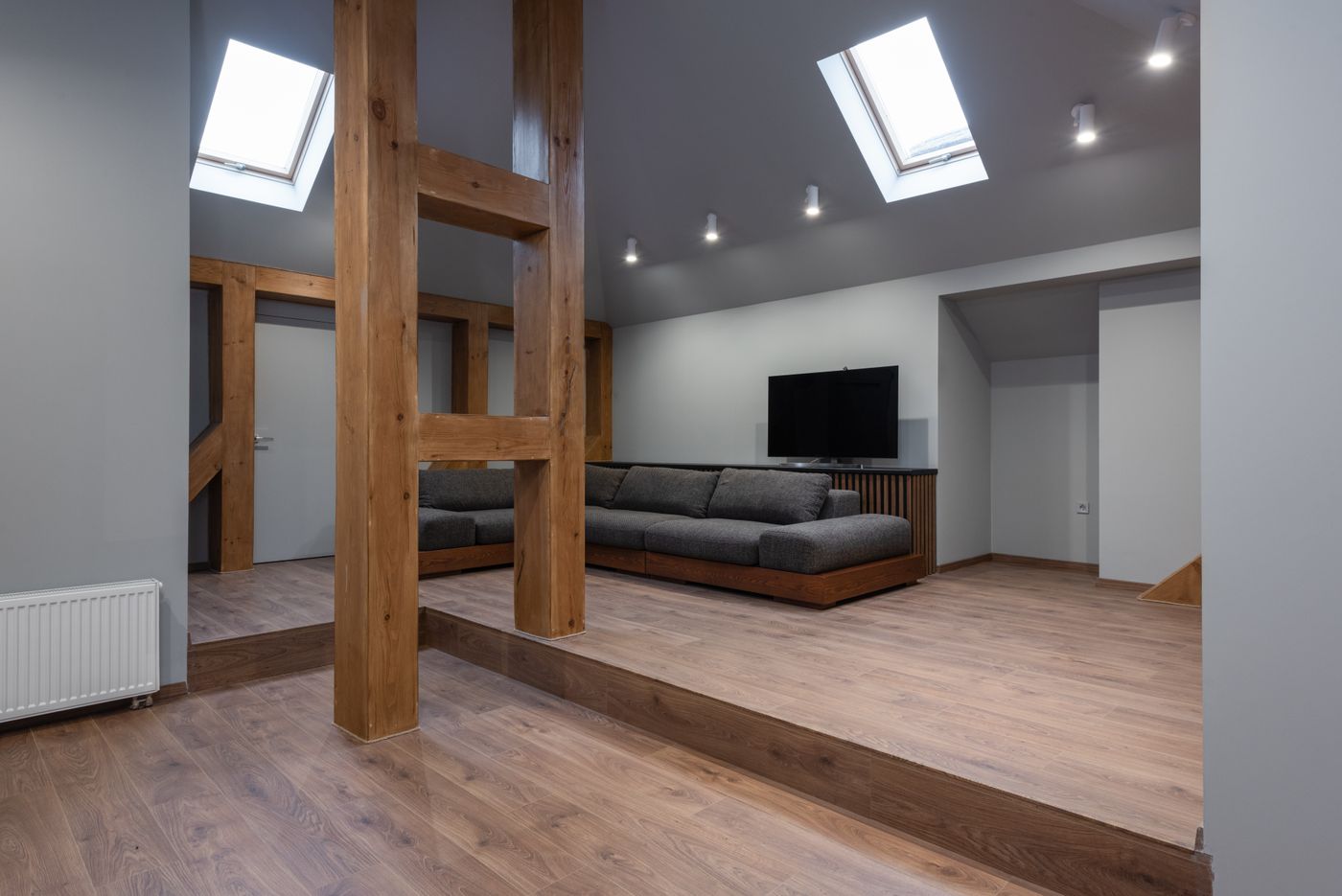
Use the room’s ordinary furniture arrangement as the reference. If the trial requires shifting several large pieces each time, reduce the low seating area or choose a different activity position. A compact corner should not demand a full room reset before someone can read for half an hour.
Let one visual link connect the corner
Repeat a color, pattern, or texture already present in the room. One suitable cushion can make the low seat feel intentional without requiring a coordinated collection of new items. A contrasting textile can also work if it is a choice you enjoy and can maintain.
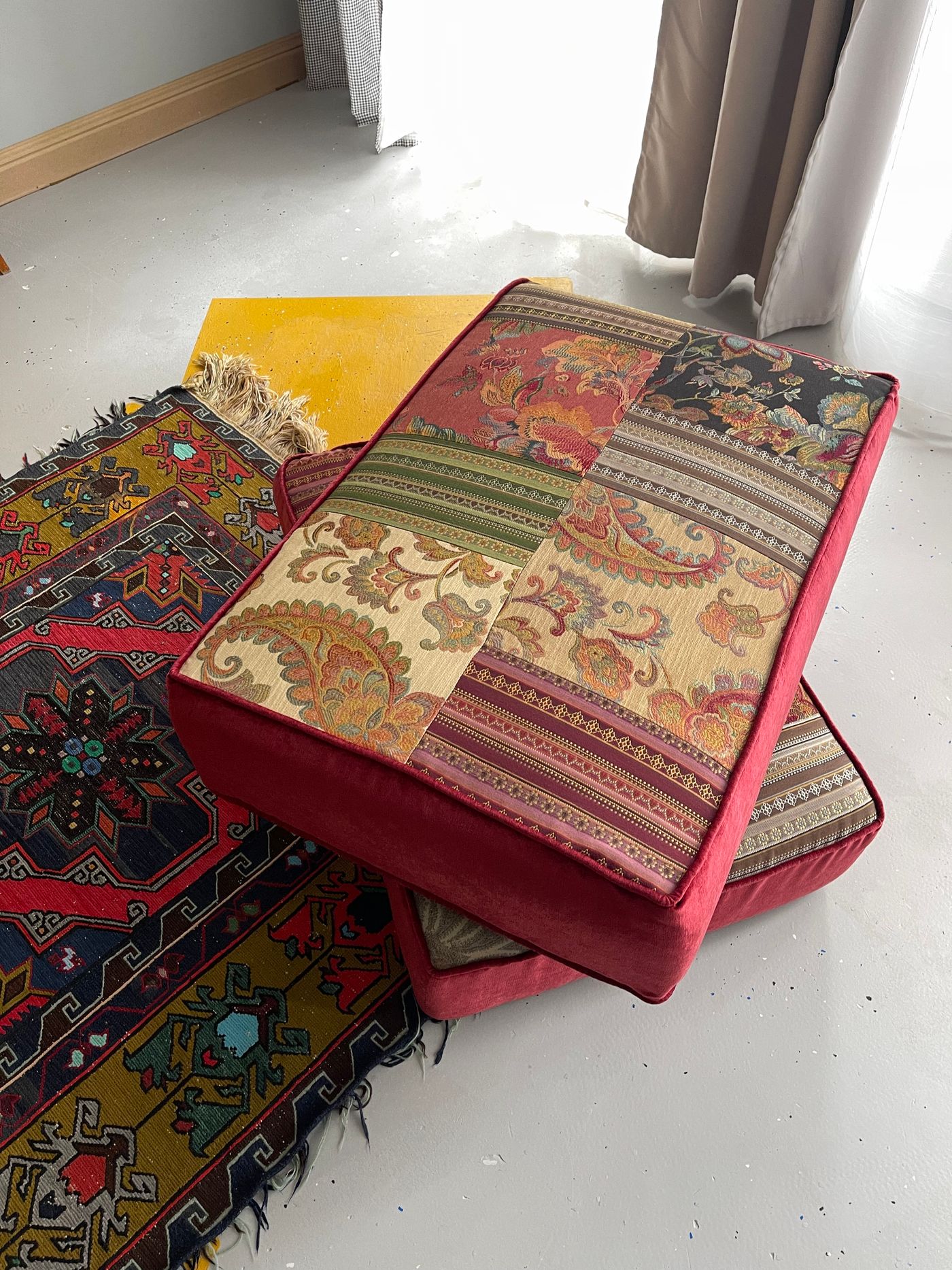
Avoid using appearance as a substitute for suitability. A decorative pillow may not be intended to support seated use on a floor. Check the actual product’s purpose, filling, care, and surface requirements before treating it as a seat. The stock images illustrate different low arrangements; they do not establish the construction of any pictured cushion.
If a rug is part of the plan, choose it for the actual room and its care needs. Do not assume that placing a cushion on a rug resolves every issue with movement or stability. Observe how the complete arrangement behaves during ordinary use and follow each item’s instructions.
Reserve a simple return position
Decide where the low seating goes when the room needs its ordinary floor space back. That position should support the item’s shape and care requirements without blocking access to everyday storage. A temporary corner is most useful when closing it is easier than leaving it in the way.
Our guide to storing blankets and extra pillows can help assess whether a proposed return position is realistic. Do not buy a large new storage unit simply to support a small optional seating area. First check whether one suitable seat can share existing space without overcrowding it.
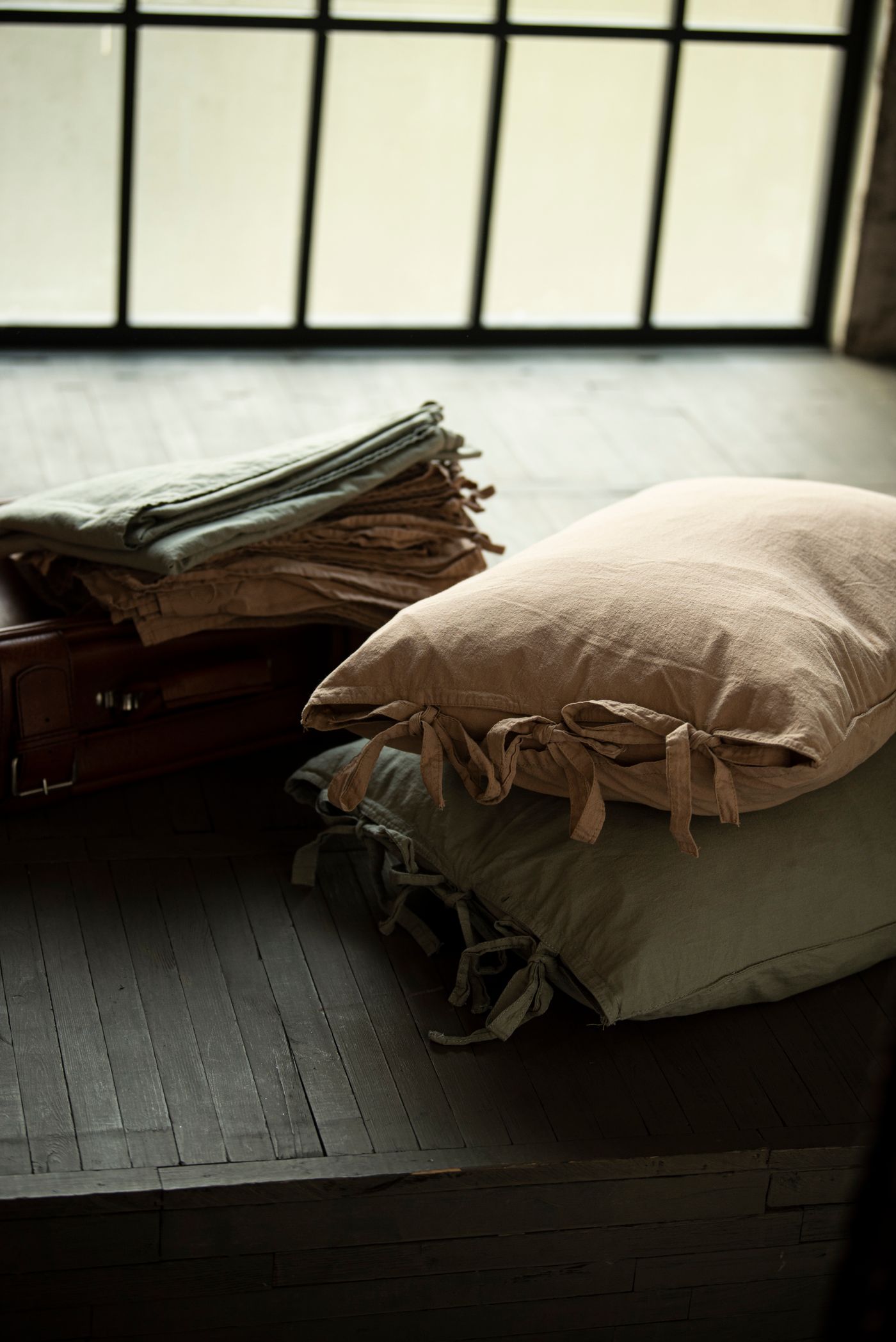
Keep the number of items proportional to actual use. If you usually sit alone, a line of four cushions creates a storage problem for a hypothetical gathering. Add another only when the need is real and both its working position and return position are clear.
Include the floor in the care routine
Make it possible to lift the seat appropriately and clean the underlying surface. Follow the textile and floor makers’ care directions rather than treating frequent floor contact as permission to wash everything together. Keep damp items out of closed storage until their instructed drying is complete.
Notice how easily crumbs, pet hair, or other household debris collect in the chosen corner. A setup used for a quiet conversation may need less intervention than one used for snacks every afternoon. Adjust the use or position if maintaining it becomes more work than the household wants.
Keep the cleaning route simple. You should not have to move a tall stack of decor, disconnect electronics, and lift a table before reaching the floor seat. Those repeated tasks can tell you that the decorative arrangement is denser than the small activity requires.
Test the room with the corner closed
Return the cushions to their planned place and use the room normally. Check whether the storage arrangement interferes with opening a drawer, taking a book, or sitting in the chair. A trial is incomplete if the low corner works beautifully but its packed-away version blocks something else.
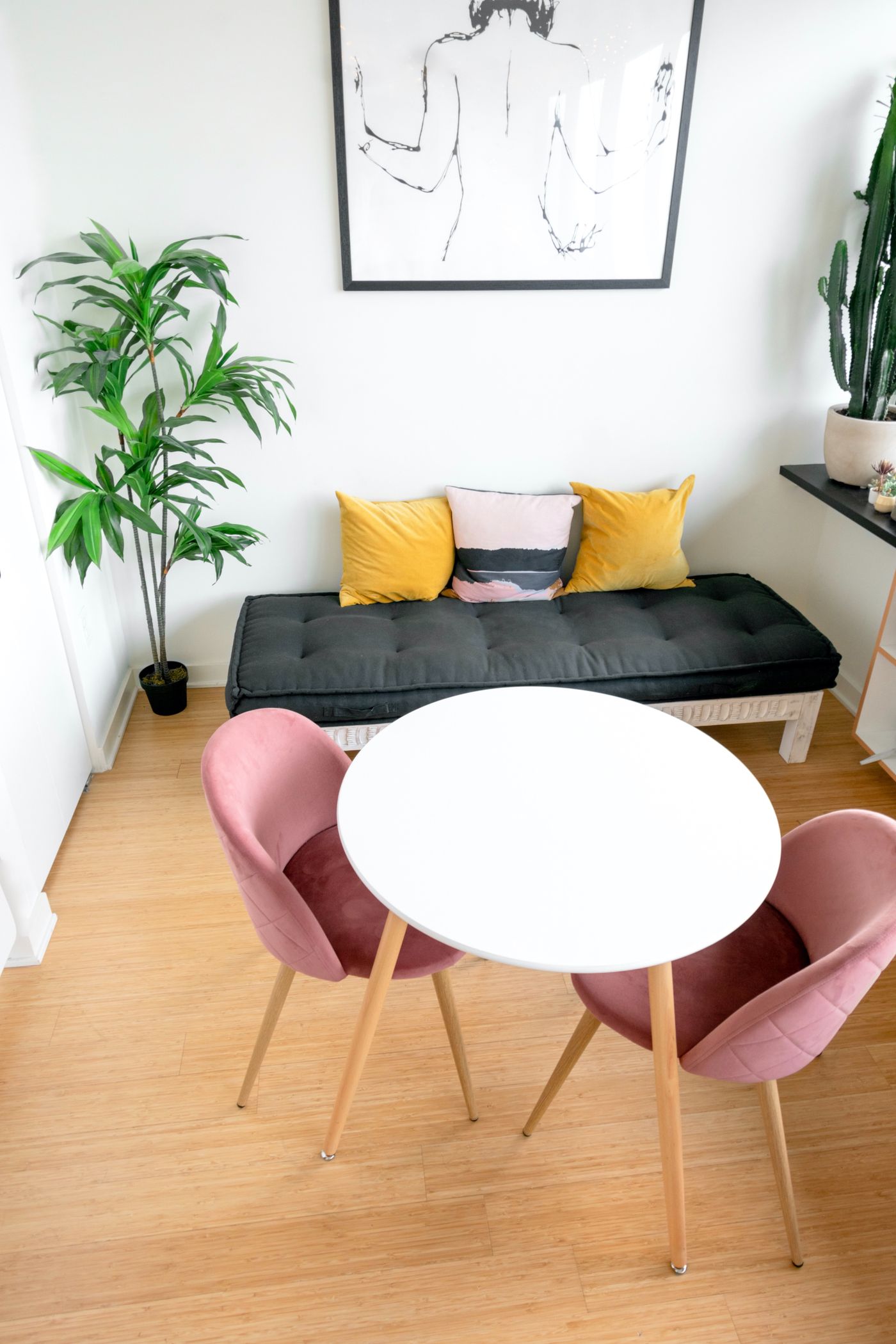
Our guide to making a small living room feel bigger without new furniture can help you preserve a clear working layout. Keep what contributes to the household’s daily use and remove the extra layers that merely make the corner look finished in a photograph.
The right result may be one low cushion brought out for a particular activity and put away afterward. It may also be an existing chair with a different textile and no floor seat at all. Choose the arrangement that makes the room pleasant to use, with a comfortable seat available to each person who wants to join.
Explore related household decisions in our Small-Space Living hub.
Sources and editorial scope
Editorial research checked October 15, 2026. Trend-report dates and limitations are stated in the article; these are editorial applications of published signals, not verified October keyword rankings. Practical household guidance; illustrations do not document a tested household or authenticate a pictured material.