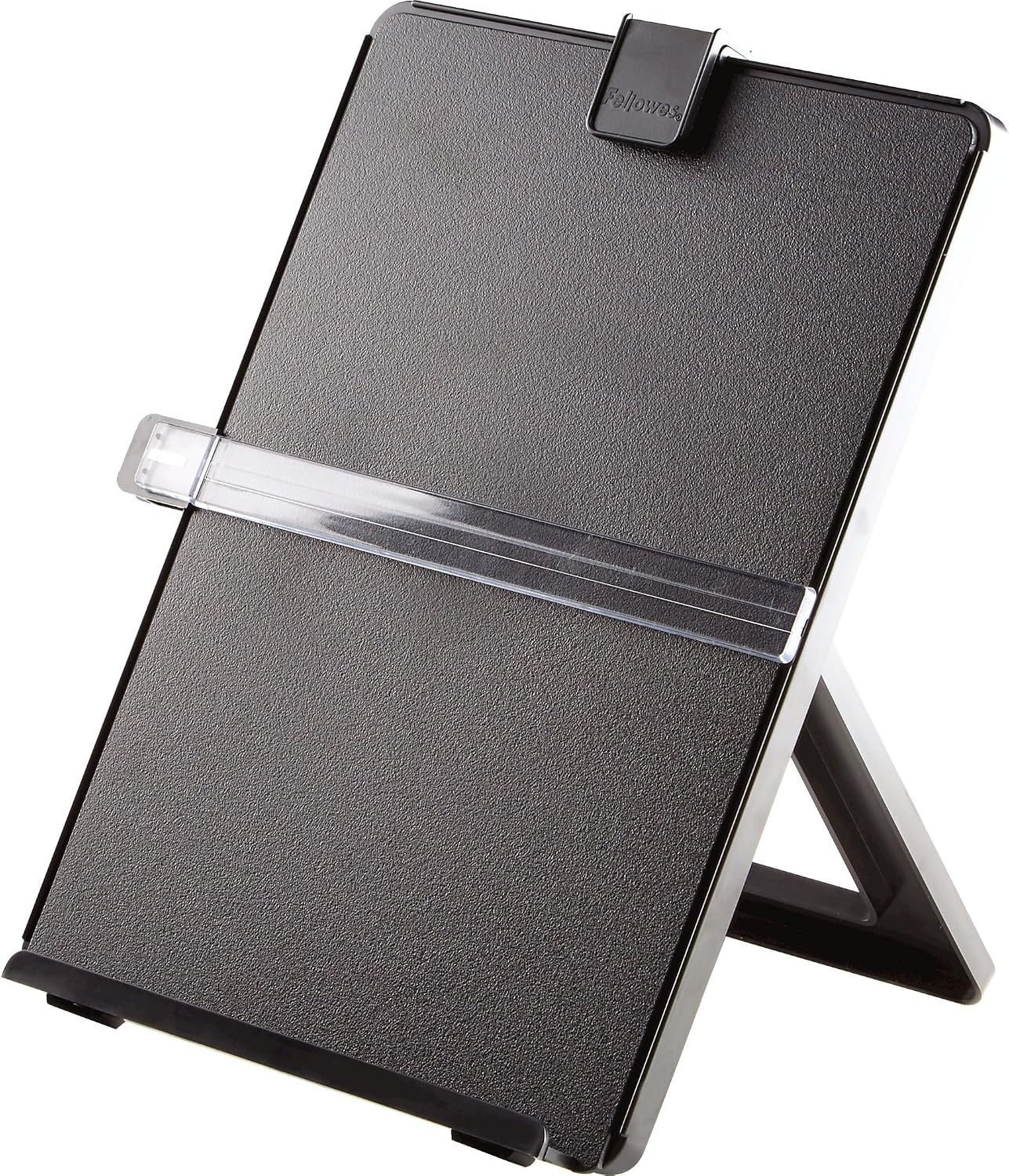
A home-project record is useful when it can absorb the next change: a revised measurement, a discarded finish sample, an updated quote, or a note about what was actually installed. A ring binder and a fixed-page notebook handle those changes differently. Choose by the update you will make repeatedly, rather than by which cover looks more organized on a desk.
Etsy’s fall and winter 2026 report provides context for personal, collected interiors and handmade detail. This guide applies that context to recording your own home decisions. It compares two record formats, not two exact purchasable products, and does not assign invented performance scores, ratings, or product prices.
Define what the record is for
Choose one project or a clear group of related projects. A record for refreshing one room may need measurements, dated decisions, selected product identities, and a few care notes. It does not automatically need to become the archive for every household bill. State the purpose on the first page so future additions can be judged against it.
Decide what information remains elsewhere. Original documents, sensitive personal records, and manufacturer instructions may need their own appropriate storage. A brief reference can point to them without duplicating everything. The paper-files versus digital-records guide addresses that wider medium choice; this comparison focuses on how two physical formats behave once you have decided paper belongs in the routine.
Understand the ring binder’s main advantage
A ring binder allows compatible pages to be added, removed, and reordered. That can suit a project whose sections change unevenly: a long sequence of quotations alongside a single measurement sheet, for example. You can keep current information near the front of a section and move superseded material into a clearly dated record behind it.
That flexibility also creates a maintenance decision. Someone must identify which page is current and preserve any history that matters before removing an older sheet. A binder does not make contradictory measurements resolve themselves. If a loose page leaves the file without a date or project identity, the record can become less reliable despite looking tidy from the outside.

Understand the fixed-page notebook’s main advantage
A fixed-page notebook preserves a straightforward sequence of entries. It may be sewn, glued, or wire-bound; the relevant distinction here is that its pages are not designed to be freely rearranged like ring-binder sheets. You can write a dated note, continue on the next page, and keep a visible account of how a decision developed.
The tradeoff appears when you want to insert a new plan beside an older one. You may need to refer forward to another page rather than physically place it in the same section. Choose a simple page-number and cross-reference method if that suits your habits. Avoid leaving many speculative blank sections that divide the notebook according to a project structure you have not yet discovered.
Test the update that causes you trouble
Take a real recent change from your household project and represent it in each format you already have. In a binder, add the new information, identify it as current, and retain or remove the older sheet intentionally. In a notebook, date the change, point to the earlier entry where needed, and make the new decision easy to locate later.
Do not use an imaginary perfect project for this test. If you repeatedly receive printed pages, include one. If most updates are brief handwritten observations, use those. The point is to compare your actual friction: loose sheets that never get filed, or notebook notes that become difficult to retrieve. Neither format wins simply because it offers more theoretical features.
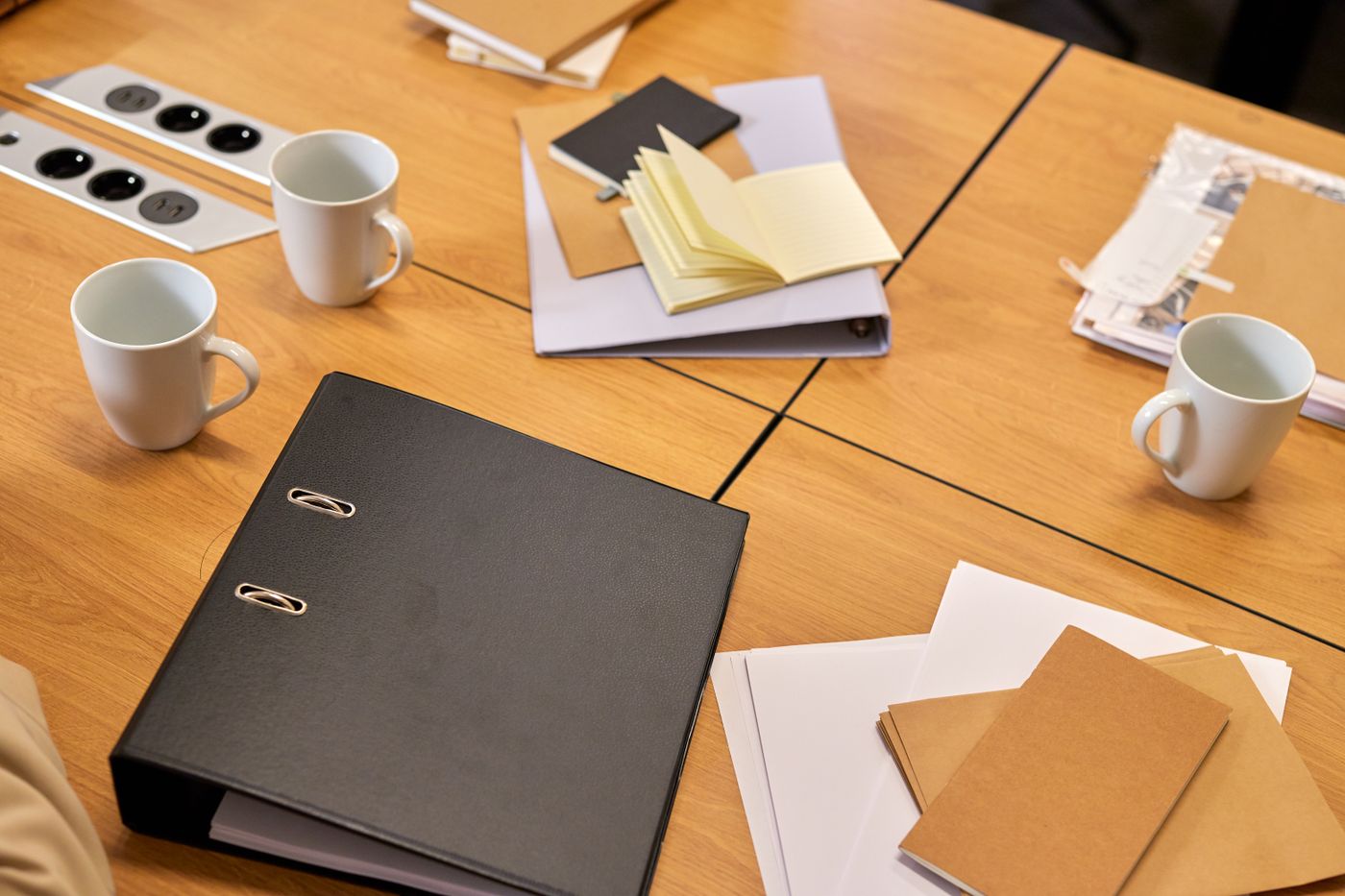
Compare storage bulk in the working position
Open each format where you would use it and check the occupied desk space. A thick binder can require substantial room to lie open, while a notebook may be easier to hold during a brief check around the home. Conversely, a notebook that refuses to stay open can be awkward when both hands are needed to compare a sample or read another document.
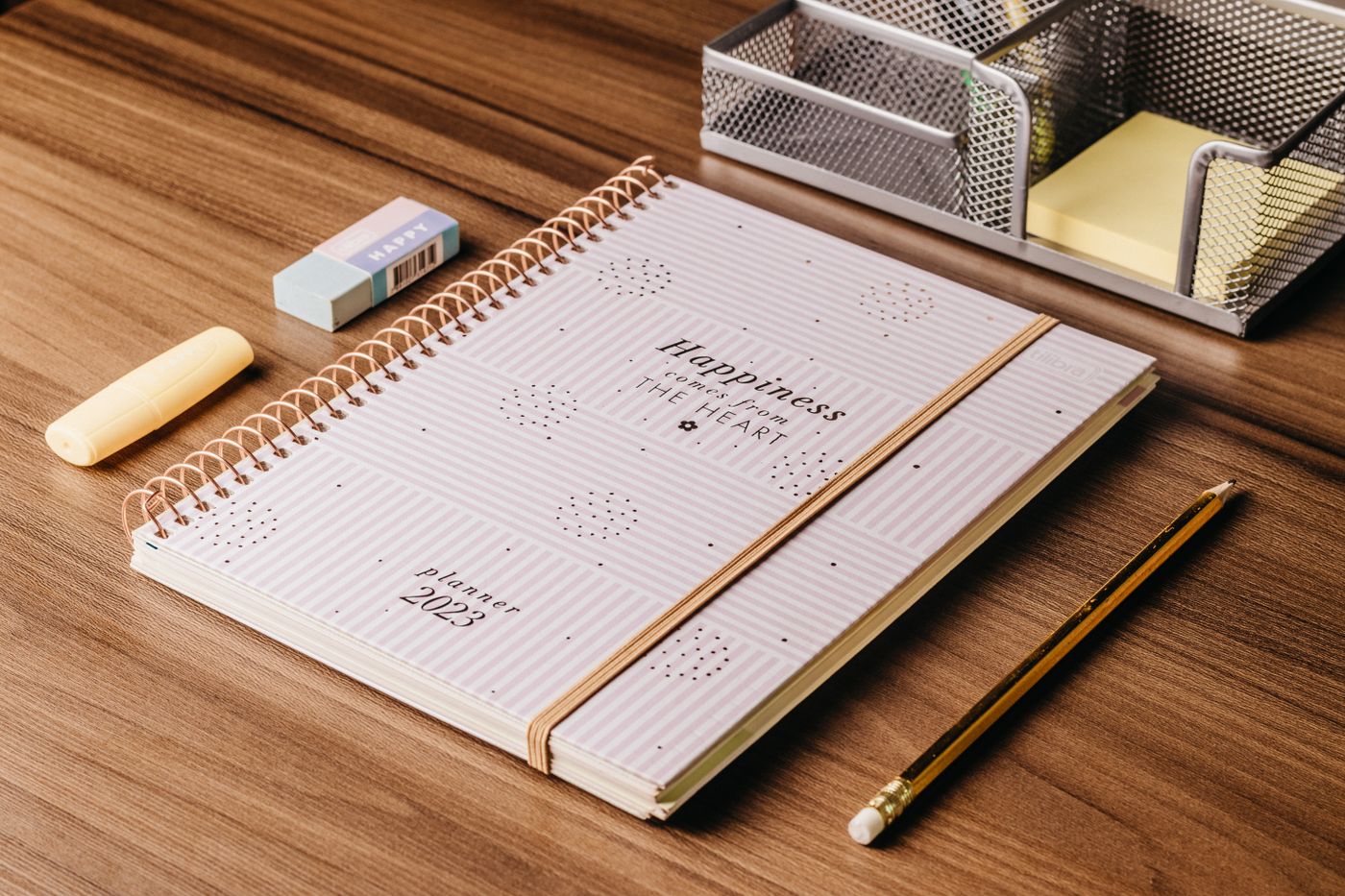
Assess the actual item rather than assuming every binder or notebook behaves the same. Binding, cover stiffness, page size, and fill level affect use. A wire-bound notebook in a photograph illustrates one fixed-page construction, not a promise about all notebook designs. Check whether the chosen format fits its shelf and retrieval route as well as the open desk position.
Keep samples and bulky objects out of an unsuitable record
A small paper swatch may fit a suitable page or sleeve, but bulky objects can distort a notebook or overfill a binder. Follow the storage and handling needs of the material itself. Do not force hardware, thick fabric, or fragile samples between pages simply to claim that the project is all in one place.
Use a separate suitable sample container when necessary and record the link between sample and project. The Umbra Prisma frame review illustrates why a product record should distinguish photograph size from the complete object’s dimensions. Keep the relevant model and complete fit information together without turning the paper record into the physical storage location for every associated item.

Build a simple current-information convention
For a binder, mark current sheets clearly and keep superseded information distinguishable. Decide who can remove a page and where any retained old version goes. For a notebook, date entries and add a clear reference when an earlier decision changes. Do not erase an important measurement without recording what replaced it and which location or object it describes.
Keep units, product variations, and room identities explicit. A number without a unit or a color name without a maker can become misleading in either format. When exact manufacturer instructions govern installation or care, retain those original instructions appropriately instead of replacing them with an abbreviated handwritten memory. The record should point to reliable information, not quietly overwrite it.
Consider how another person will use it
Ask a household member to find one current decision without coaching. They should be able to tell what project it belongs to, when it was recorded, and whether it remains the current choice. If they cannot, simplify the navigation before adding more dividers or another notebook. Retrieval is a useful test of the system’s clarity.
If only one person maintains the record, keep the system light enough for that person to update promptly. A detailed index is not an advantage when it is always several weeks behind. The tape-measure comparison is relevant when a project requires fresh fit checks. Record the actual result and unit clearly instead of relying on an old estimate or an unidentified number.
Choose a format by the recurring work
Choose a ring binder when insertions, reordered sections, and incoming compatible sheets are routine and you are willing to manage page status. Choose a fixed-page notebook when dated observations and a continuous history are the primary work, and simple references can handle later changes. Keep an existing suitable item if it passes the real-update test; a new cover alone does not improve the record.
You may use both only when each has a distinct job, such as a notebook for dated site observations and a binder for current selected documents. Otherwise, duplicated records create another question about which version is authoritative. State where the final current decision lives before allowing the same project to spread across two separate paper systems.
Review the record at a meaningful project change
Check the arrangement when a project moves from planning to ordering, from ordering to installation, or from active work to care. Remove irrelevant temporary material intentionally and preserve what the household will genuinely need. If reading pages beside a screen is a real obstacle, the document-holder comparison addresses that separate desk decision. The best record format makes the next correct update easy enough to happen.
Explore related decisions in our Buying Guides hub.
Sources and editorial scope
Editorial research checked October 23, 2026. Published trend reports are context for these editorial applications, not verified live keyword rankings. Practical household guidance; photographs do not document a tested household or authenticate pictured materials.