Weekend cleaning routines often fail for the same reason ambitious workout plans fail: the plan assumes a version of you with unlimited energy, no appointments, no children interrupting, and no desire to enjoy the weekend.
In a small home, dirt and clutter become visible quickly because there are fewer places for them to spread. The advantage is that a focused reset can also make a noticeable difference quickly. You do not need to deep-clean every room every Saturday. If you are working on the same space, How to Organize Cables, Chargers, and Tech Clutter in a Small Home covers the next decision in more detail.
Define what the weekend routine is for
The purpose is to restore the home to a functional baseline and handle a few tasks that did not fit into the week. It is not to make the house inspection-ready.
Prioritize:
- kitchen hygiene and working surfaces,
- bathroom sanitation,
- floors in high-traffic areas,
- laundry bottlenecks,
- clutter that blocks daily function.
Choose a time box before you start
A 45-, 60-, or 90-minute block is often more sustainable than “clean until the house is done.” The home is never permanently done. You may also find A Realistic Nightly Reset for Small Homes When You’re Too Tired to Clean useful for a closely related small-home problem.
A time boundary forces prioritization. When the timer ends, decide deliberately whether one task truly needs more attention or whether the weekend can continue.
Start with a five-minute collection lap
Carry a basket through shared rooms. Gather dishes, trash, laundry, and obvious items that belong elsewhere. Do not start organizing drawers. If you are working on the same space, The Reset Basket Method: Smart Family Clutter Tool—or Just a Basket That Moves Mess Around? covers the next decision in more detail.
The point is to remove obstacles before cleaning surfaces and floors.
Clean the kitchen by function
Handle dishes, sink, primary prep counter, stove area, obvious appliance fronts, and floor. Wipe what is actually dirty rather than performing every possible kitchen task.
Cabinet interiors, oven detailing, refrigerator shelves, and pantry reorganizing can rotate across future weekends.

Give the bathroom a repeatable baseline
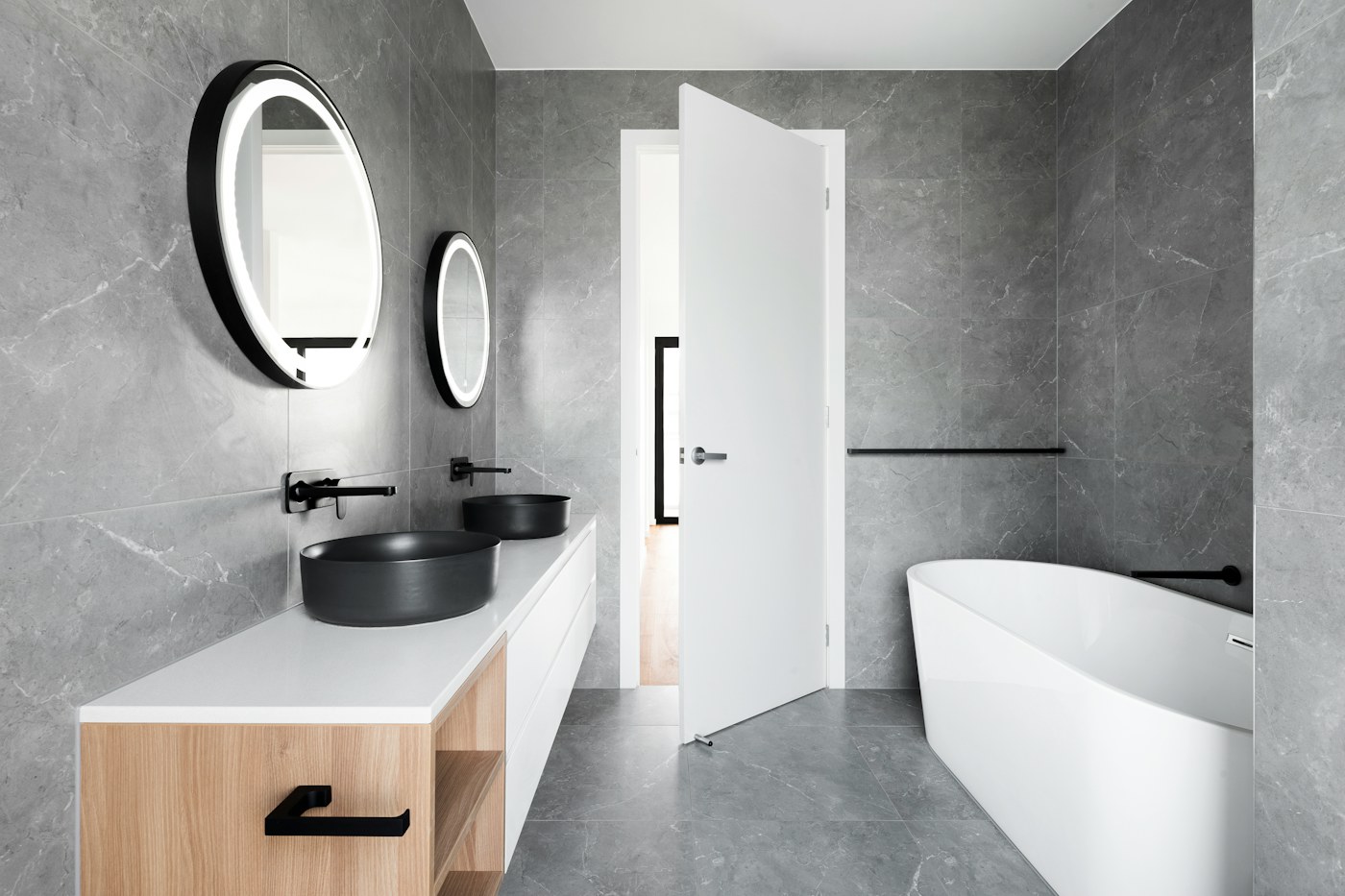
A weekly bathroom reset might include toilet, sink, mirror, high-touch surfaces, shower/tub as needed, towel exchange, trash, and floor.
Keep the supply kit simple and stored safely. The more products required, the more setup time the routine consumes.
Do not deep-clean the whole bathroom every week
Grout detailing, exhaust vent cleaning, cabinet editing, and shower-curtain washing can rotate. A sustainable routine distinguishes routine hygiene from periodic projects.
Vacuum or sweep the traffic paths first
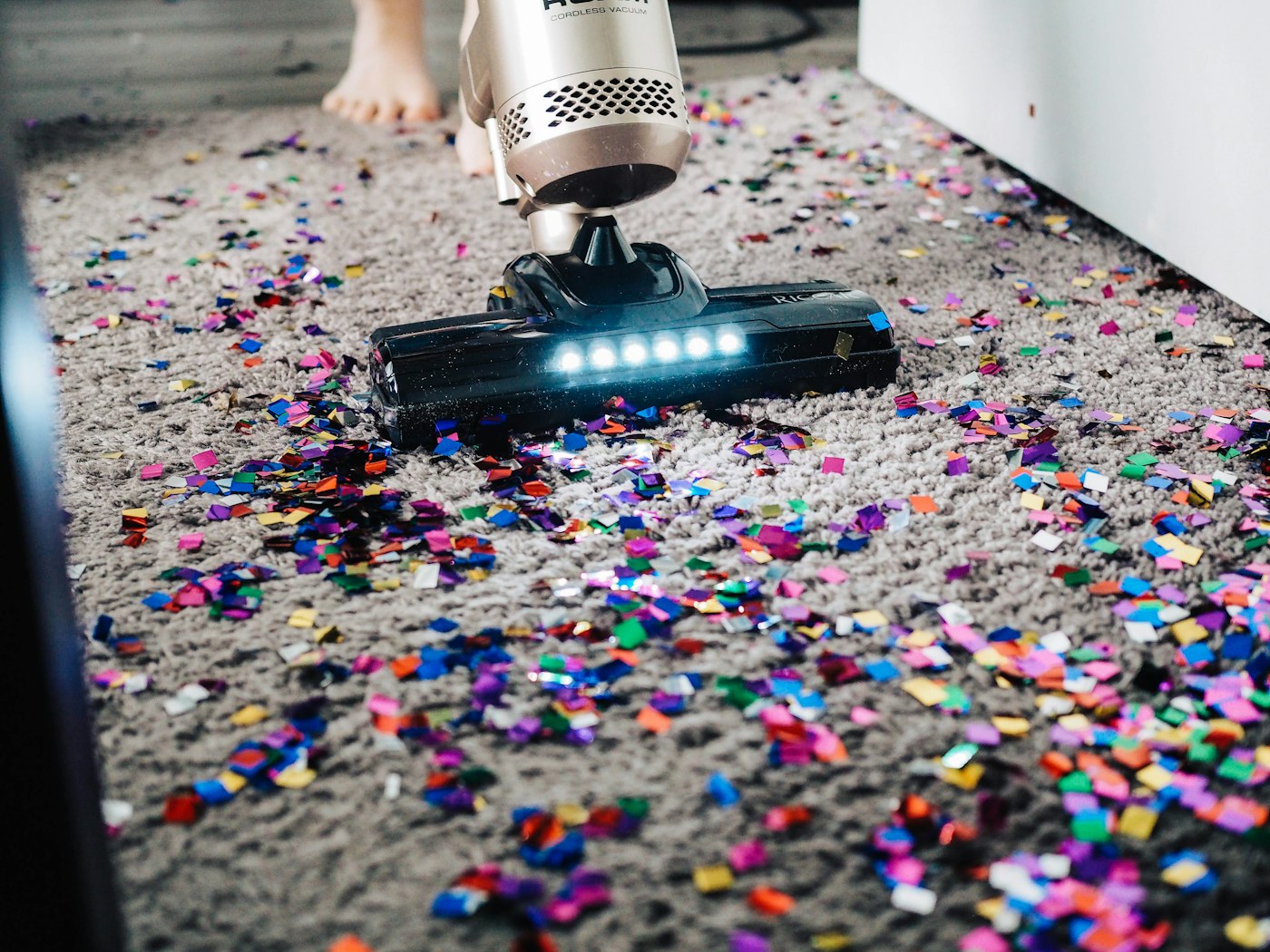
If time is limited, focus on entry, kitchen, dining area, living-room path, and other high-use flooring. Bedrooms may need less frequent attention depending on household conditions.
The goal is maximum practical impact per minute.
Pair floor cleaning with pickup rules
Vacuuming takes twice as long if the floor is a storage surface. Before floor cleaning starts, shoes, toys, laundry, and bags should return to their broad homes.
If the same objects block cleaning every weekend, fix their storage during a separate organizing session.
Use laundry as a parallel process
Start a load at the beginning of the cleaning block so the machine works while people clean elsewhere. Move time-sensitive laundry stages during natural breaks.
Do not create five washed loads if your drying and folding capacity cannot keep up.
Let people work in parallel
One adult cleans the kitchen while another handles bathroom and laundry. Children can return toys, collect personal items, dust accessible surfaces, or help with age-appropriate tasks.
Parallel work is one reason a simple family chore system matters more than a complicated chart.

Rotate one deep task per weekend
Instead of adding ten deep tasks every Saturday, choose one:
- Week 1: refrigerator shelf clean.
- Week 2: baseboards in one area.
- Week 3: bathroom cabinet review.
- Week 4: oven or range detail.
- Week 5: window or glass task.
Over a month, the home receives deeper care without every weekend becoming exhausting.
Do not turn decluttering into the cleaning routine
If you discover a crowded drawer while cleaning, make a note. Do not derail the entire Saturday into a four-hour organization project unless that was the plan.
Cleaning maintains surfaces. Organizing changes systems. They can overlap, but combining them accidentally makes both feel endless.
Keep a “later” list for non-urgent discoveries
Loose cabinet hinge, stained grout, donation pile, broken basket—write it down. The brain relaxes when the issue is captured without requiring immediate action. You may also find How to Store Seasonal Decor in a Small Home Without Keeping a Closet Full of Holidays useful for a closely related small-home problem.
Build a recovery version for hard weeks
Some weekends are full. Use a minimum reset:
- dishes and kitchen sink,
- toilet and bathroom sink,
- trash,
- main floors,
- one urgent laundry load.
Then stop. A routine that survives difficult weeks is more useful than one that works only under ideal conditions.
End with one room that feels good
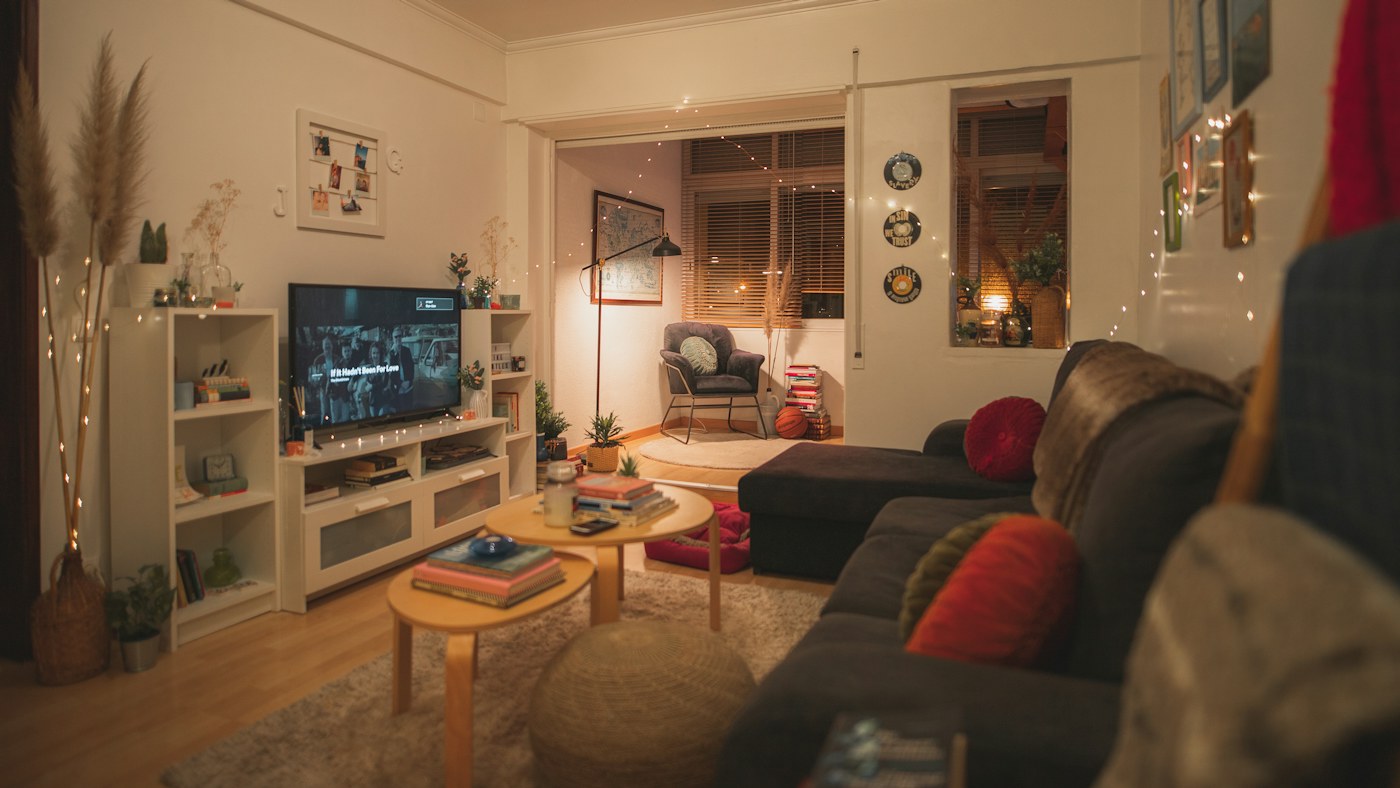
Spend the final five minutes restoring the main living area: clear seating, fold blankets, return toys, remove cups, and open the floor path.
This gives the family a visible payoff for the work.
Explore this topic
Browse more practical guidance in the Cleaning hub. Room focus: Small Rooms.
Related published guides
Frequently asked questions
How long should weekend cleaning take in a small home?
There is no universal duration, but a focused 45- to 90-minute block can cover core maintenance for many households when daily clutter is reasonably controlled.
Should I clean every room every weekend?
No. Prioritize high-use rooms and rotate deeper or lower-priority areas.
What if I miss a weekend?
Resume with the functional baseline. Do not punish yourself by doubling the next routine into an exhausting catch-up day.
The weekend should still feel like a weekend
A home exists to support life, not to become the household’s permanent maintenance project. Clean the surfaces and rooms that affect everyday function, rotate the deeper work, share the load, and stop at the agreed time. Consistency will do more for a small home than occasional six-hour cleaning marathons.