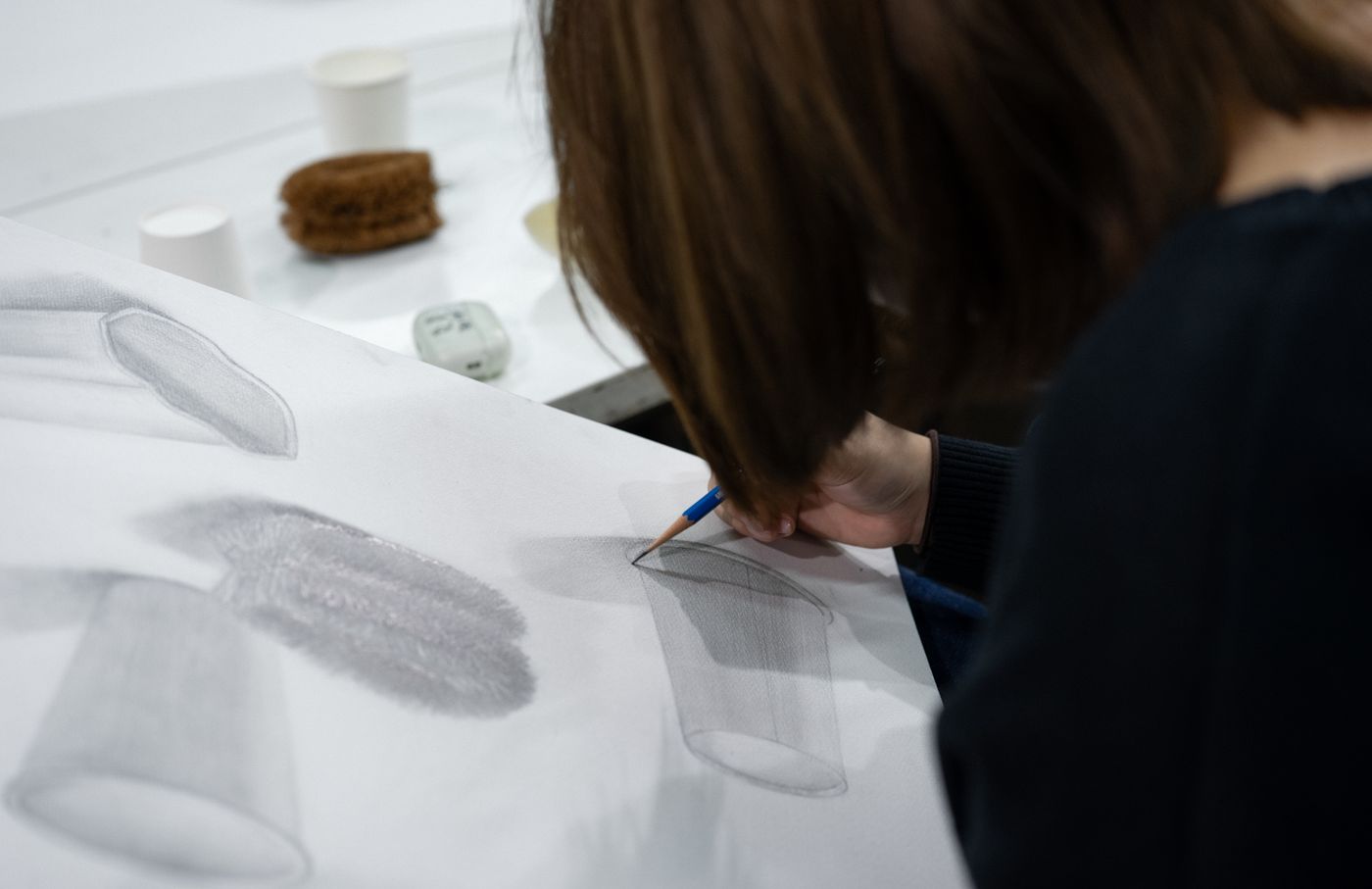
A still-life session gives a family one ordinary object to look at and separate pages on which to respond. There is no need to draw identically or combine the results into one finished picture. A cup seen from one side and from another can produce different drawings that are both useful records of looking carefully.
Pinterest’s 2026 hobbies report offers published context for creative, hands-on interests. The family session described here is an editorial application of that wider interest, not a claim that a particular drawing exercise is currently ranking. Choose an approachable object and make the session short enough that everyone can finish without rushing.
Select one object that can remain in place
Choose a stable, nonvaluable item appropriate to the participants: for example, a plain unbreakable cup or another familiar object whose edges are easy to see. Avoid sharp tools, tiny loose parts, fragile heirlooms, hot contents, or anything a child may try to taste or dismantle. An adult should decide what is suitable for the actual group and supervise accordingly.
Put the object on a stable surface where all participants can see it. Do not arrange an elaborate display before testing the seats. A person should not need to stand on furniture or lean over another person’s page to get a view. Keep the object away from the table’s edge and leave it in the agreed position during the drawing interval.
Give everyone their own page and a clear view
Use ordinary paper and drawing materials appropriate to each participant. You do not need matching sketchbooks or a new set of specialist pencils. Keep a separate page for each person so nobody must negotiate another artist’s marks while trying to notice the object. If someone needs a larger grip or another suitable drawing tool, provide it without making the difference the subject of the session.
Sit and check the view before beginning. Some people will see more of the object’s opening, side, or handle than others. That difference is part of the activity. Do not keep turning the object to make every drawing easier simultaneously. If a view is genuinely blocked, move the seat or choose a more suitable object before the drawing period begins.
Introduce the task with one observation
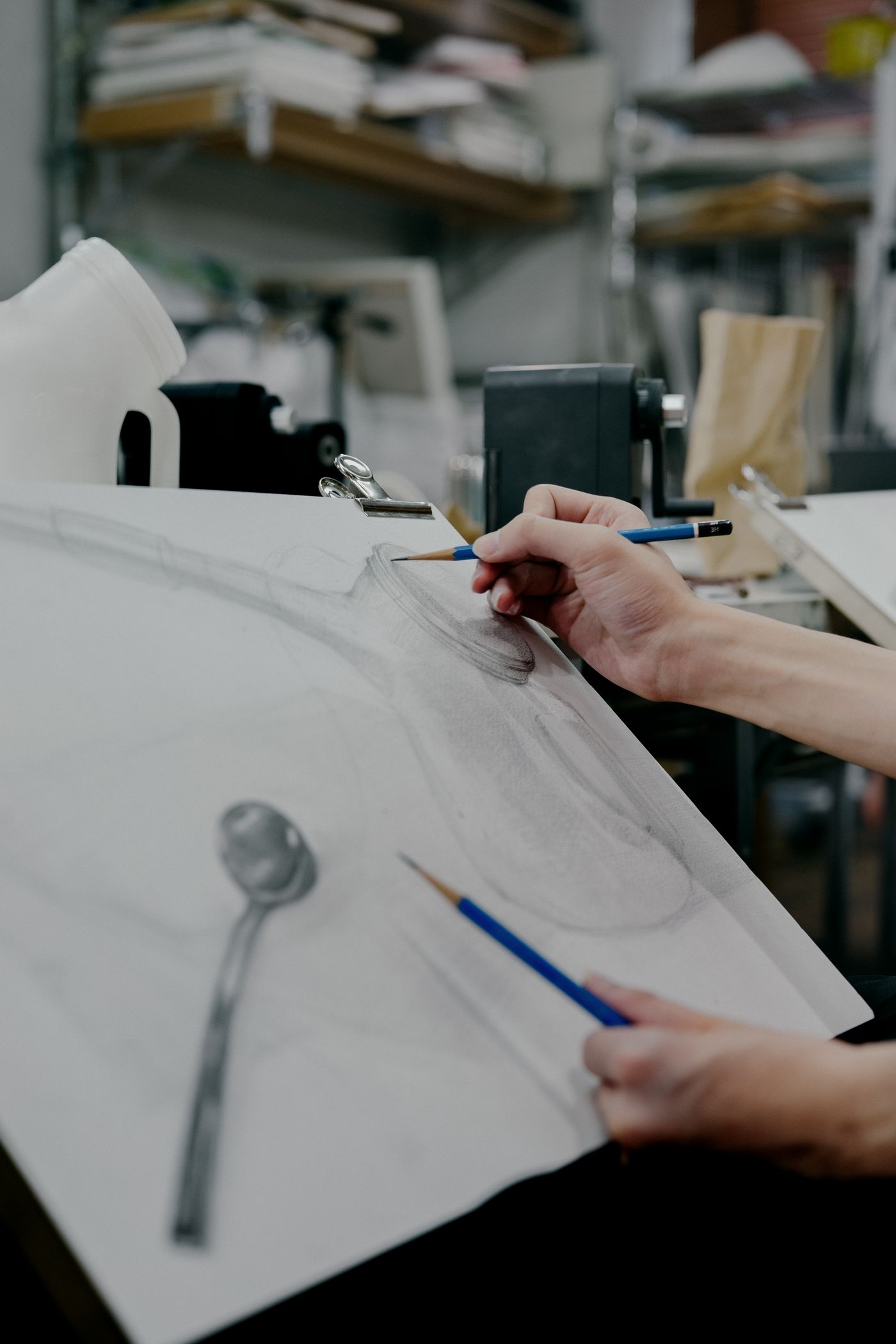
An adult can begin by naming something visible from their own seat: the top looks narrower than the body, or the handle leaves an open shape beside the cup. Keep it descriptive rather than technical. Avoid telling everyone the correct drawing they should produce. The purpose is to help participants look, not to replace what they see with a standard symbol of the object.
Ask people to notice an edge, a large shape, or a gap. They can begin with whichever feature feels easiest. A younger participant might make a few broad marks while another person explores small changes of tone. Both can take part in the same session. Do not add a requirement for shading or perspective vocabulary just because one person already knows those techniques.
Agree on a short first interval
Choose a drawing interval that suits the people present, with permission to stop sooner. If a timer would add pressure, simply agree that the adult will offer a check-in after a short period. Leave enough time afterward to look at the pages together and restore the table. Do not let the first sketch expand automatically into a long activity with an impatient ending.
Participants can draw quietly or make occasional observations without giving instructions to one another. Keep conversation about the object and the process friendly. Someone who has finished does not need to fill every blank part of the page. A small drawing with generous space around it is a complete contribution if that is what its maker intended.
Help without taking over the pencil
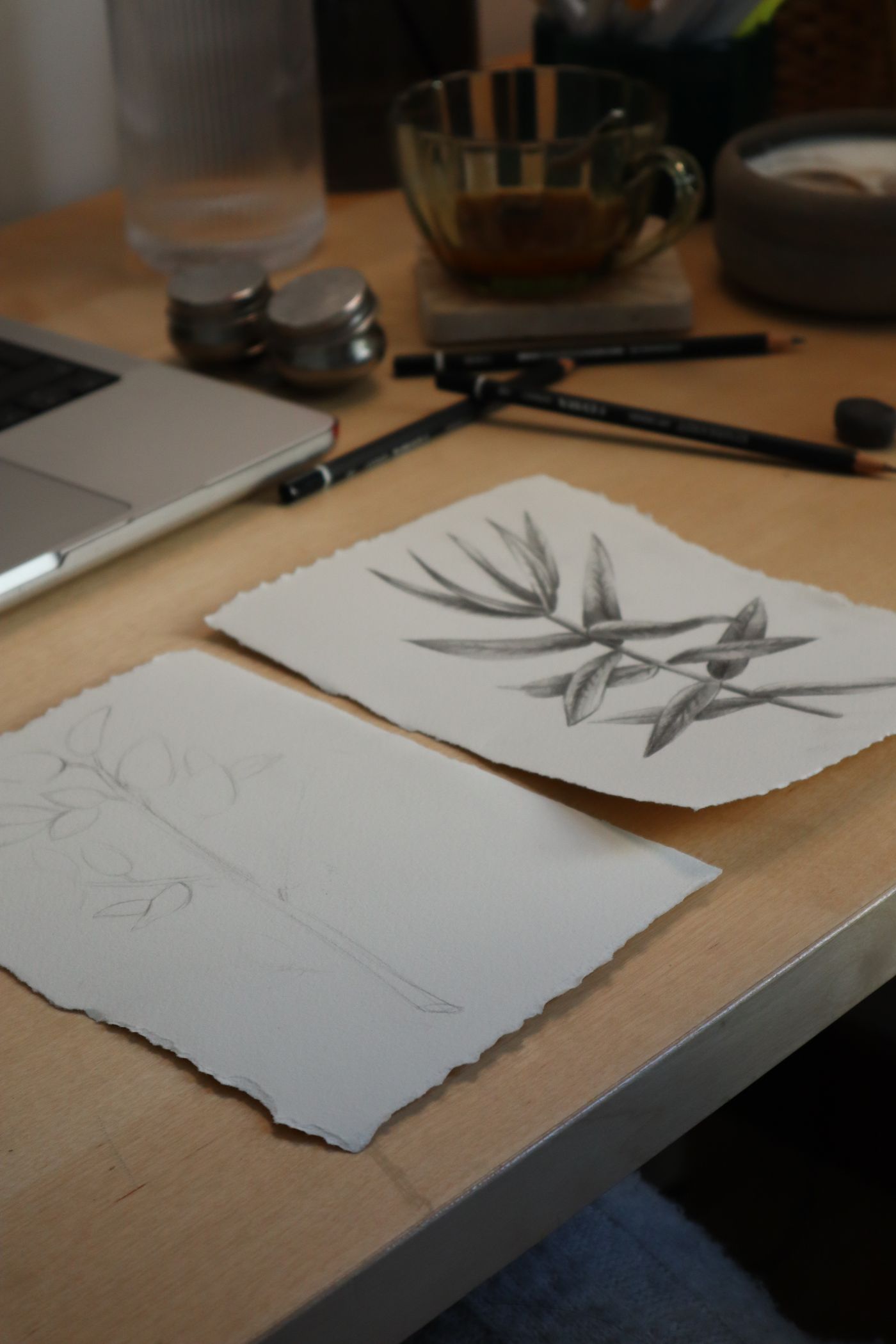
When someone asks for help, first ask what they want to understand. They might want to locate an edge, decide where to start, or know whether they can use another page. Demonstrate separately if a demonstration would help. Do not erase their work or draw over it without their clear agreement. An adult’s fluent line can unintentionally turn the page into someone else’s picture.
This arrangement differs from making a family drawing from separate panels: the shared element is the observed object, while the finished pages remain independent. Nobody needs to adjust their marks to match a neighbor’s section. Keeping that distinction clear can reduce arguments about style and make room for adults and children to work at different levels.
Use a second view only if people want one
At the first check-in, offer a choice: finish, continue the same view, or start another small sketch after changing seats. Move the people only after the first interval is complete, leaving the object in its safe position. A second view can show how much a drawing depends on where someone sat without turning the exercise into a lesson nobody requested.
Use a fresh area or separate page if the participant wants to preserve the first attempt. There is no obligation to produce a corrected version. Comparing two views can be interesting even when neither looks polished. If the group is tired, stop while the session still feels manageable. A satisfying finish is more useful than completing a preset number of drawings.
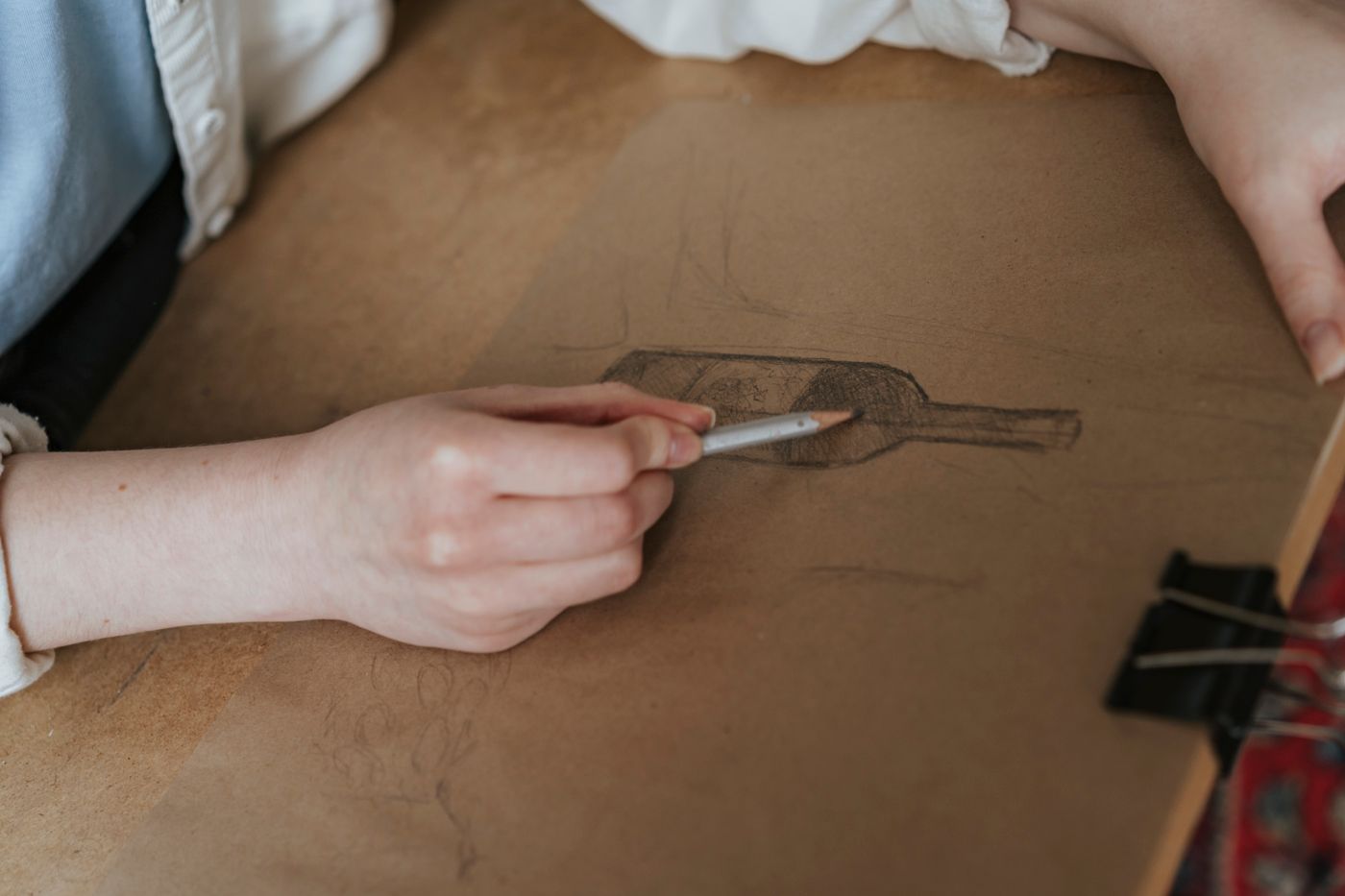
Compare what people noticed, not who drew best
Invite each participant to name one feature they noticed, one mark they chose, or one thing that surprised them. They may also pass. Avoid guessing the artist’s intention before they explain it, and avoid ranking realism as the only valuable outcome. A bold outline and a shaded study can show different kinds of attention to the same object.
Point out view differences in concrete terms: one person could see inside the opening while another saw the handle behind the body. This is an explanation of the arrangement, not a judgment of the drawings. If someone feels disappointed, acknowledge the difficulty and offer a future opportunity without insisting they immediately redo the page until an adult is satisfied.
Choose what to keep before collecting supplies
Ask participants whether they want to keep, display, photograph, or recycle their pages. Do not quietly discard a child’s chosen work during cleanup, but also do not promise permanent display for every sketch. A dated folder or a limited shared display can preserve a meaningful selection. Keep permission in mind before sharing anyone’s artwork or a session photograph publicly.

The rotating handmade-display guide can help with a small display, while a family memory journal offers a different place for a brief note about the occasion. Keep the record optional. The activity should not acquire a second administrative task larger than the drawing itself, especially if the household simply enjoyed a quiet half hour together.
Restore the object and the shared room
Return the reference object to its ordinary place, close or store drawing materials appropriately, and clear the table for its next use. Check that any water, sharpenings, or other supplies used have been handled safely for the household. Keep unfinished pages only where their owners can retrieve them without confusing them with paper ready for recycling.
For a session involving very different interests, a bring-one-object story night is another way to share attention without requiring the same skill. This sketch session is working when everyone had a usable view, ownership of their page, and a clear ending. The drawings can differ substantially while still recording one small experience the family shared.
Explore related decisions in our Family Home hub.
Sources and editorial scope
Editorial research checked October 23, 2026. Published trend reports are context for these editorial applications, not verified live keyword rankings. Practical household guidance; photographs do not document a tested household or authenticate pictured materials.