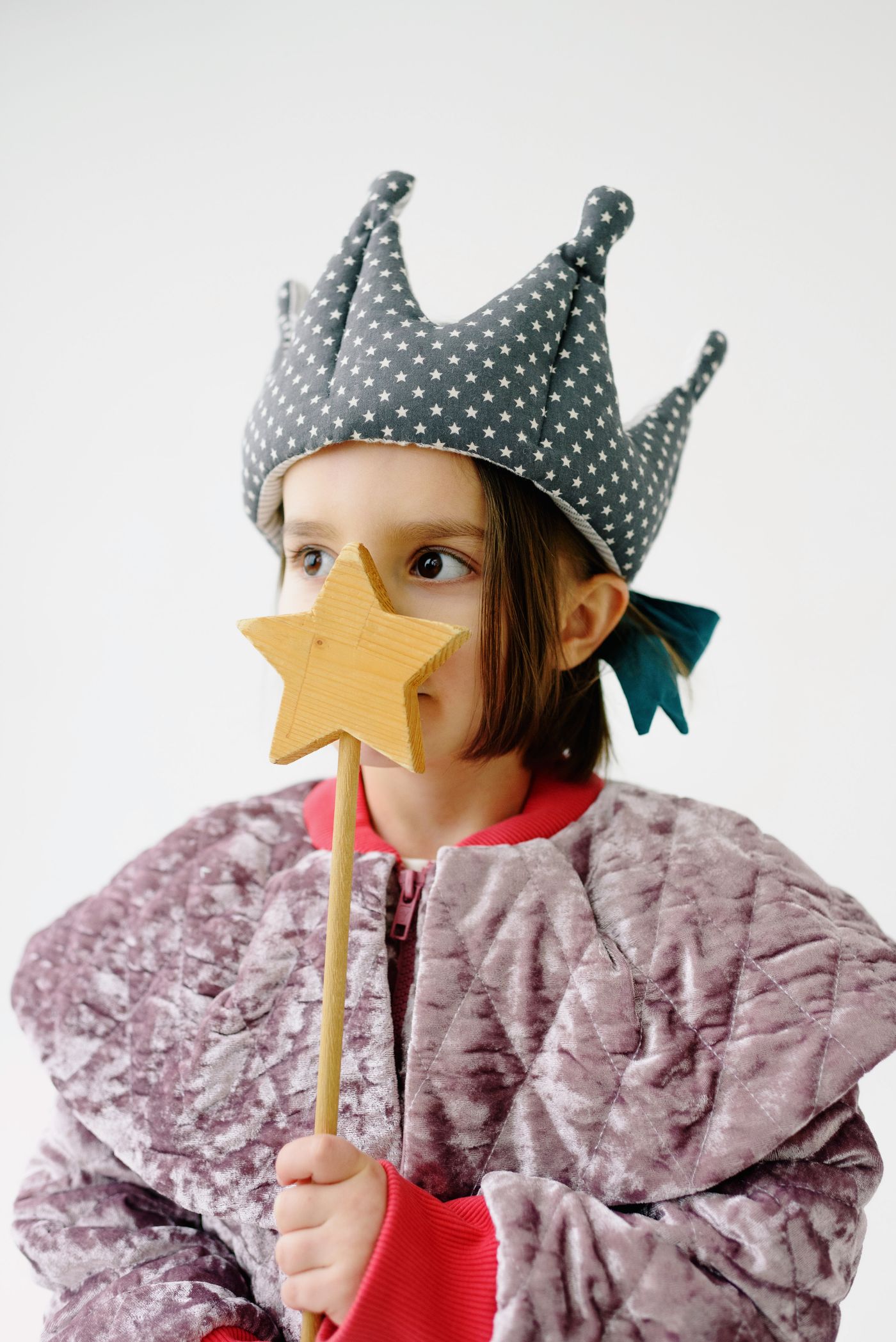
A dress-up story can begin with a few familiar pieces rather than a new costume for every character. Choose suitable items already used for play, let the children decide what those items mean, and give the collection a clear way to pack away. The goal is an activity that fits an ordinary room and can stop comfortably when the household needs that space again.
Etsy’s October 2026 seasonal report points toward expressive celebrations and shared activities. A small dress-up story is one way to apply that mood around Halloween or during an ordinary indoor afternoon. This is a family play plan, not a shopping list, a public performance, or a claim that any photographed costume is suitable for every age.
Start with the pieces children already choose
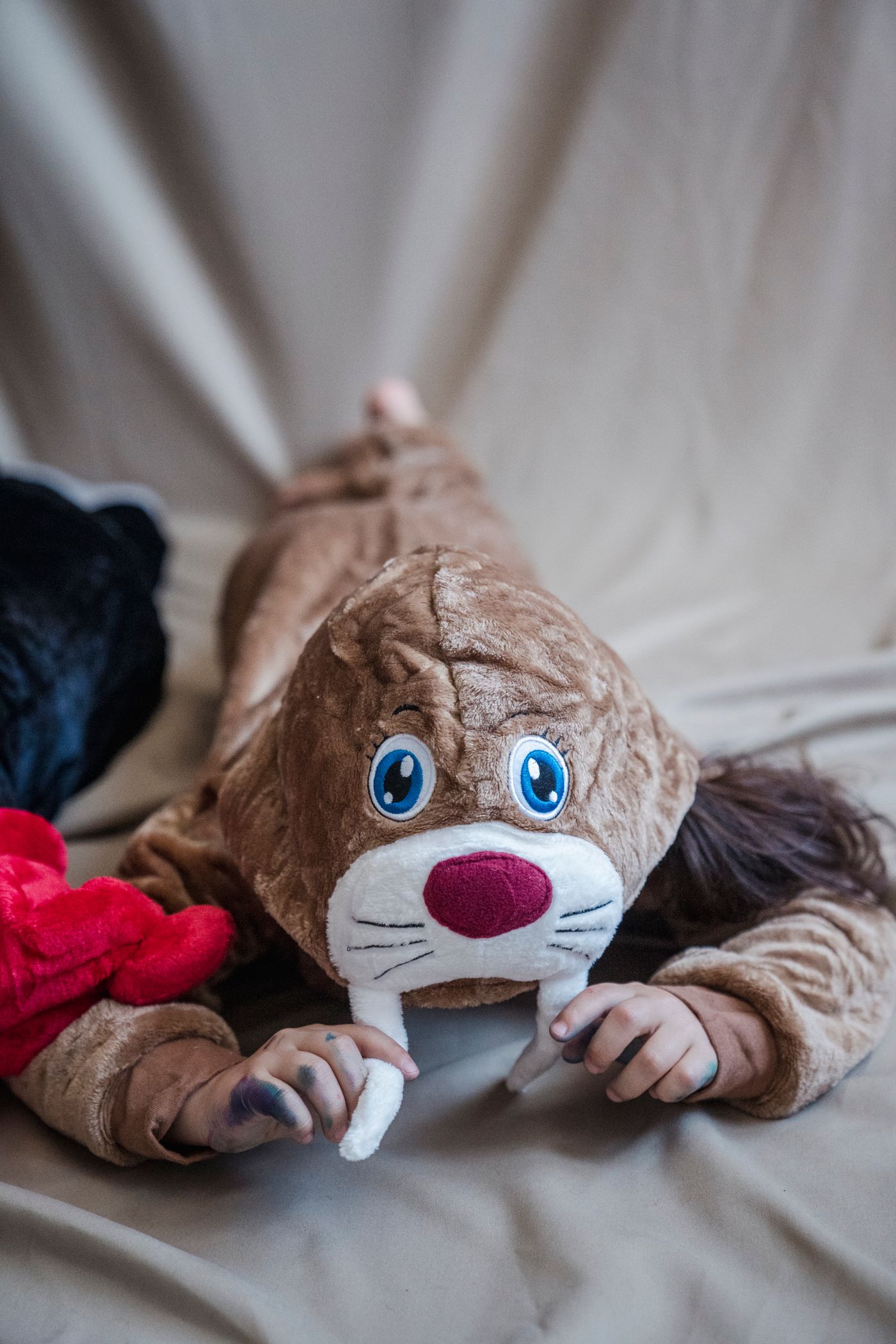
Ask which familiar play items they want to use today. Begin with a few suitable pieces rather than emptying the whole wardrobe. A crown, an animal-themed garment, or a character costume can suggest a story, but the child may have a different idea from the adult who bought it. Let the meaning come from the play instead of correcting it to match the packaging.
Check the actual items for their intended use, condition, and age suitability. Follow their instructions and keep the activity appropriately supervised. Ordinary clothes should be borrowed with the owner’s permission and returned afterward. Do not repurpose protective equipment or assume an unfamiliar accessory is suitable because it looks like a story prop.
Our guide to borrowing toys between families is useful when a costume or prop belongs elsewhere. Agree on what is included and what can be used before play begins. A missing accessory should not be discovered only when the item is being returned, and a borrowed piece should not silently become part of the permanent dress-up collection.
Choose a place where the story can happen
Use a clear play area that works for the people and the activity. Remove unrelated objects that would make the room awkward to use, while keeping normal routes available. A story does not need furniture rearranged into a stage or a bedroom entrance hidden behind scenery. Familiar room boundaries can become part of the imaginative setting without changing their practical function.
If children share the room, agree which spaces remain available to the other person. Our shared-bedroom privacy guide can help establish that boundary. One child’s dramatic afternoon does not automatically make a sibling’s bed, belongings, or quiet corner part of the set. Permission matters even when the proposed story is funny and enthusiastic.
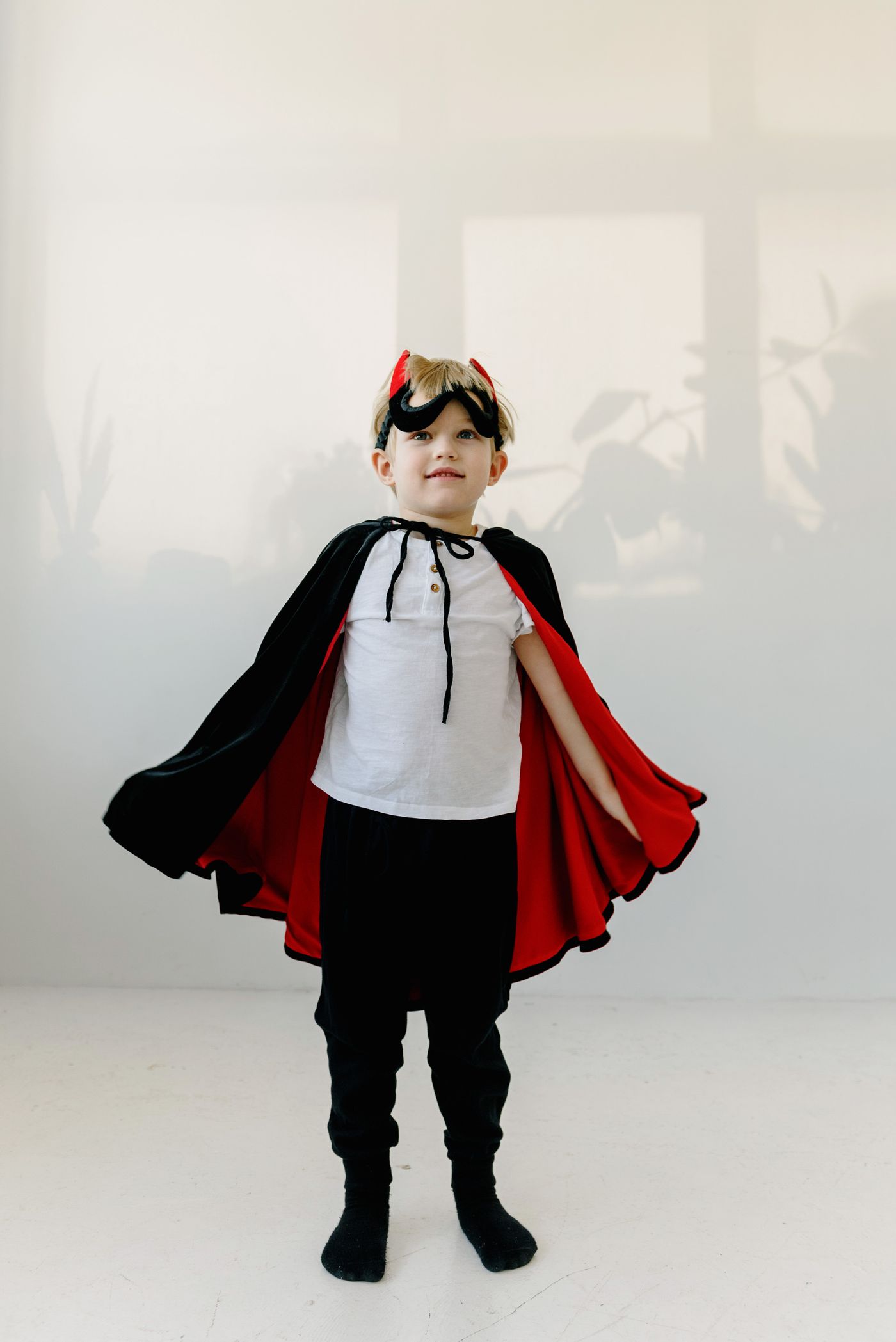
Keep movement appropriate to the room and the actual costume. Check that clothing and props do not interfere with the planned activity. The adult’s role is to support a workable play space, not to demand a more energetic performance because a cape or character outfit looks theatrical.
Give the story a small starting question
Ask one easy prompt: who needs help, what has gone missing, or where are the characters going? Choose a question the children can change. A simple beginning gives the play direction without requiring an adult to write every line or control the ending. It also makes it easier for a younger child to join after the story has started.
Let one object take more than one role when the children want that. A crown does not have to belong to the same character each time, and an animal costume does not require a retelling of a familiar film. Keeping the story open reduces pressure to own a complete branded set before the game feels possible.
For children who prefer arranging rather than performing, offer a narrator or scene-setting role. They can choose where the imaginary journey goes or describe what a character sees. Participation does not have to mean speaking loudly, wearing a costume, or accepting a part assigned by somebody else. Watching for a while can be a valid choice too.
Separate the story from making more props
If the play reveals a missing object, first ask whether it can remain imaginary. An elaborate craft detour can end the story before it gets going. If the children want to make something suitable, keep that a clearly chosen activity with appropriate materials and supervision rather than a compulsory repair of an incomplete costume.
Our small-home art-supply guide helps when a short making task is part of the plan. Bring out the few relevant supplies and return them afterward. The dress-up collection does not need permanent ownership of scissors, adhesives, or every piece of decorated paper produced during an afternoon.
Save only the handmade props that the children want to use again and that can be stored appropriately. A temporary scene can be dismantled after the story without diminishing the activity. Ask before discarding a child’s work, but avoid promising permanent storage for every object simply because it appeared in one performance.
Keep the audience optional
Some children enjoy telling the story to another family member; others prefer private play. Ask before inviting an audience or recording anything. A family activity does not become public content by default. If a child changes their mind about being watched, it is reasonable to finish the play without turning that decision into a problem to overcome.

Avoid judging the result by costume accuracy or a polished ending. The practical success is a story the participants could shape and enjoy. An adult can help resolve a disagreement over a prop, suggest a pause, or make room for another character without directing every choice. The collection supports the people, rather than the people being required to display the collection.
If another household member needs quiet, use the quiet-time zone guide to coordinate the room. A lively story and a quiet activity may need different times or positions. Recognizing that early is easier than trying to settle a dispute after the play has spread across every shared surface.
Make stopping part of the story
Choose a natural way to pause: the characters arrive home, the animal rests, or the narrator announces that the next chapter will happen another day. Offer that cue before the room is needed for something else. A familiar ending can make packing away feel like completion rather than an unexplained interruption at the most exciting moment.
Decide whether the story needs a tiny memory note. One child-chosen sentence can help restart it later; it does not need a full scrapbook or a new storage project. If the group is happy to begin fresh next time, leave the story unrecorded. Repetition can come from the familiar pieces and people rather than a document of every scene.
Our family collage-session guide offers another example of choosing a finish before materials spread indefinitely. Keep the activities distinct, but use the same clear handoff: the making or play ends, the chosen items return, and the shared room becomes usable for its next purpose.
Return clothing and props to different homes
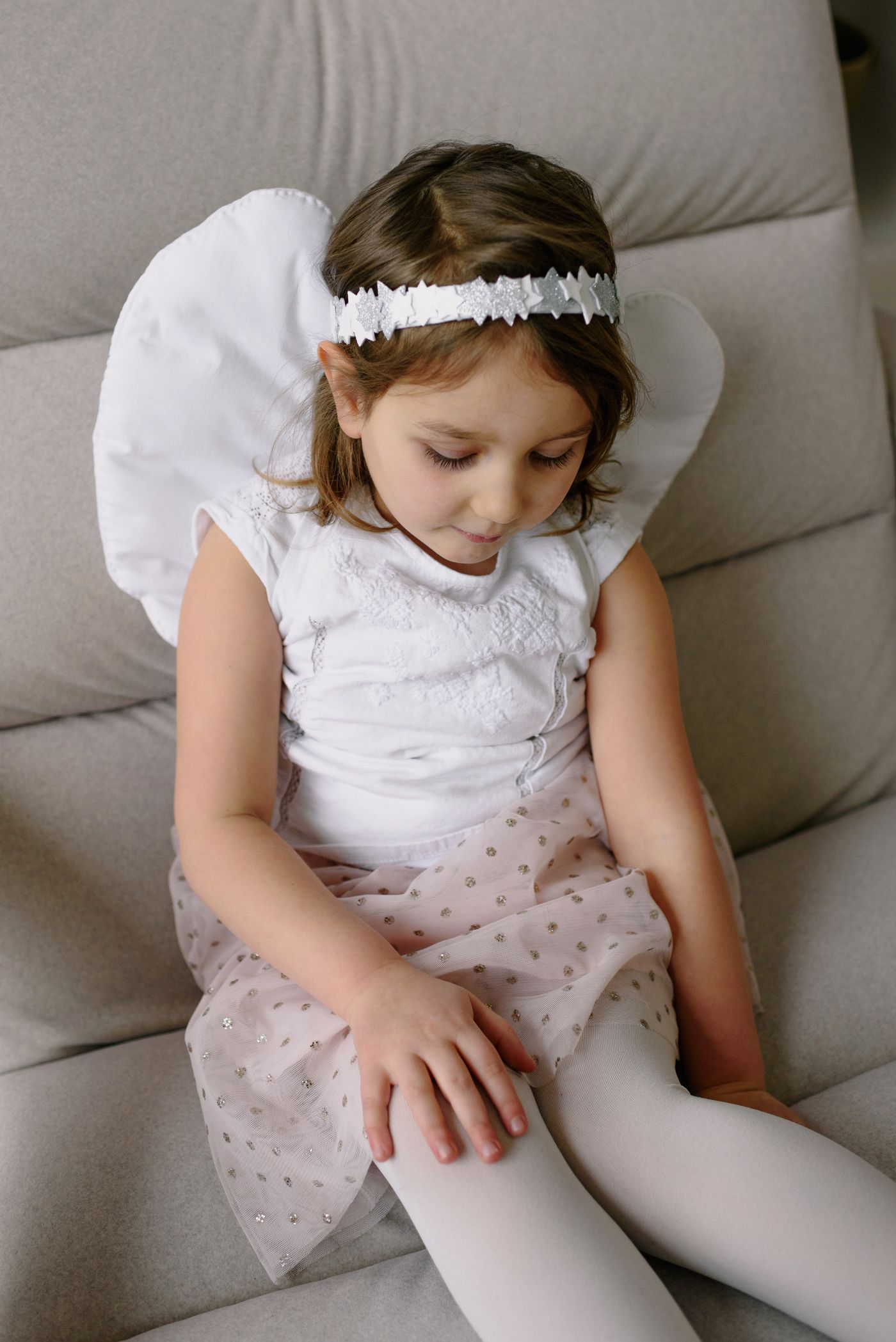
Separate ordinary wearable clothing from dedicated play pieces at the end. Return borrowed garments to their owner in the appropriate condition, and follow care directions for anything needing attention. A favorite shirt should not disappear into the costume bin because it worked well as a character’s outfit once.
Put the ready play pieces together in a suitable modest space. Keep anything awaiting repair clearly separate from items available for the next session. A collection is ready when the chosen pieces are usable and recognizable, not when every corner of a large container is full.
Before adding a new costume, remember what the last story actually needed. If the children repeatedly choose the same few pieces, those pieces may already be enough. A pack-away collection succeeds when it makes starting easy, leaves room for different ideas, and returns the bedroom to everyday use without an adult spending the evening rebuilding the room.
Explore related decisions in our Family Home hub.
Sources and editorial scope
Editorial research checked October 21, 2026. Published trend reports are context for these editorial applications, not verified live keyword rankings. Practical household guidance; photographs do not document a tested household or authenticate pictured materials.