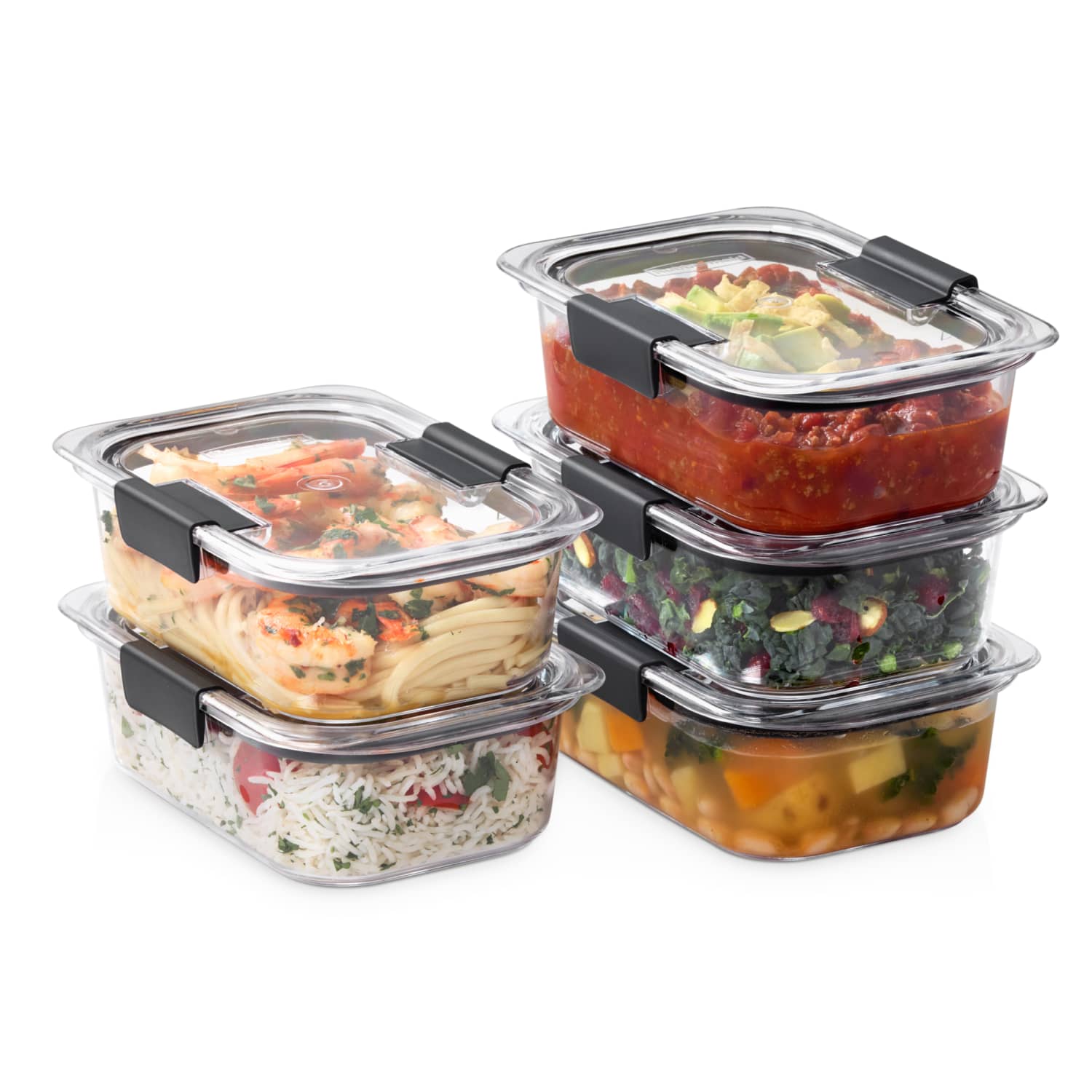
Research note: This is a comparison of current product documentation and listings. We have not used either product or measured its performance in a lab or home. Product availability, bundles and prices can change, so check the selected variant at checkout. If you are working on the same space, Best compact dish drying racks for small kitchens covers the next decision in more detail.
Choose the material around the meal's route
A container may move from the fridge to a work bag, or it may stay at home from preparation to reheating. Those routes lead to different purchases. Glass versus plastic is a workflow decision before it is a matching-set decision.
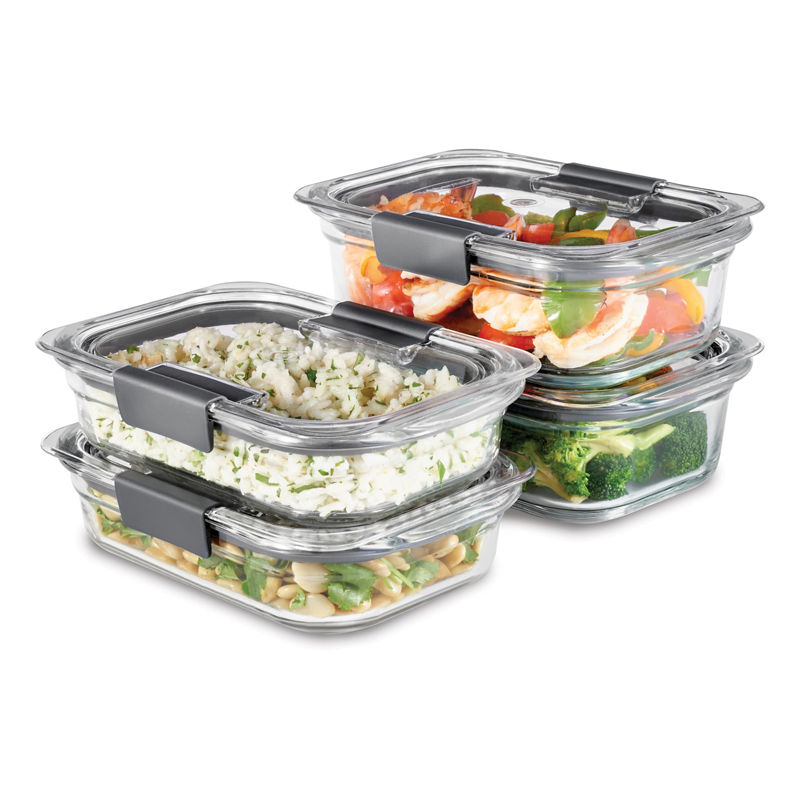
I would favor the Brilliance glass base for someone who values glass food storage and mainly eats at home. I would favor the Tritan plastic version when carrying several portions is routine and weight matters. This comparison concerns the linked 3.2-cup versions. It does not assume that every Brilliance container, lid or bundle has identical compatibility. For a related step-by-step approach, see Joseph Joseph DrawerStore Compact Review: Does Tiered Cutlery Storage Really Save a Narrow….
The glass version: useful, but not weightless or unbreakable
The Brilliance glass range combines glass bases with plastic lids and latches. A glass base can suit a home reheating routine, but its temperature limits and permitted transitions must come from the exact product instructions. The lid is a separate component with different care requirements.
The practical drawback in a small kitchen is handling. Think about lifting a stack from a high shelf or carrying several full portions at once. Glass can break, so a location that requires awkward reaching is a reason to reorganize before purchasing. Do not treat an oven-safe claim for a base as permission to put its plastic lid in the oven or expose the glass to sudden temperature changes.
The plastic version: easier to carry, still a care commitment
The linked Tritan listing describes five 3.2-cup containers with lids. A comparable plastic base is lighter than glass, which matters in a lunch bag or when several family members carry meals. Keeping one useful portion size can also make packing more predictable. If you are working on the same space, OXO POP vs. ProKeeper+: Which Baking Containers Deserve Small-Pantry Space? covers the next decision in more detail.
Plastic is not a license to ignore the instructions. Check the permitted microwave and dishwasher procedure, inspect pieces as they age, and retire damaged components as appropriate. Do not transfer heating rules from the glass line to this version. If the reason you want glass is to avoid a plastic food-contact base, the plastic set obviously does not meet that preference.
Pack size can disguise the price comparison
Count usable bases, not the large piece number on a bundle title. Retail listings sometimes count each lid as another piece. The glass listing’s wording can vary by selected bundle, so verify the number of containers, their capacities and the selected material at checkout.
Divide the total by the number of containers you will actually use, then consider how many lids must be stored. A mixed assortment is not automatically better value than a matching set. One oversized container that never leaves the cupboard still occupies space. Conversely, five identical lunch portions may be a poor choice if your leftovers vary dramatically in volume.
A small-cabinet fit test
Measure a real shelf and mark the area the complete set would occupy. Include the lids and the clearance needed to lift a container out. Do not assume that a set that stacks when full will nest efficiently when empty. Check the exact shape and arrangement shown for the variant you are buying.
Set aside the containers you already reach for during a normal week. Their count and size are a better starting point than a large bundle advertised for a hypothetical meal-prep routine. If your kitchen shares eating and homework space, How to Make a Small Dining Area Work for Meals, Homework, and Crafts can help define where food equipment should return when the table changes use.
Lid care determines whether the system stays pleasant
A clear base is easy to admire; the lid is where daily friction often appears. Check that you can comfortably open both latches, access the parts that need cleaning and allow everything to dry before storage. Follow the instructions for venting during reheating rather than improvising with a sealed container. For a related step-by-step approach, see Rubbermaid RMA-2 vs. COSCO Two-Step Stool: Access Without a Permanent Ladder.
Do not buy on an assumption that all lids interchange across every size and generation. Confirm compatibility for the exact pieces you own. Store each lid where it can be found without emptying a drawer. A short end-of-meal return step, like the approach in How to Use One Dining Table for Meals, Homework, Work, and Crafts Without Permanent Clutter, is more useful than accumulating a second set to compensate for misplaced lids.
My purchase recommendation
Choose glass if the base material is a priority, you can handle the weight comfortably, and the exact care requirements fit how you heat food. Choose plastic if the meals travel and a lighter kit is the practical advantage. A small combination can also work: a few glass pieces for home and a few plastic pieces for transport, provided the two groups have clearly defined uses.
Skip both if your existing containers seal well and fit the portions you make. New storage should replace a specific problem rather than add another stack. Keep lids paired with their bases; How to Organize Food Storage Containers and Lids in a Small Kitchen lays out a small-cabinet arrangement for the whole collection.
Common questions
Is the glass set entirely plastic-free? No. The lids are plastic.
Does a higher piece count mean more containers? Not necessarily; verify whether lids count as pieces.
Have we leak-tested these sets? No. Sealing descriptions come from the product information, and this article does not report an independent leak test.
Compare the fit before buying
| Decision point | Rubbermaid Brilliance Glass 3.2-Cup Containers | Rubbermaid Brilliance Tritan Plastic 3.2-Cup Containers |
|---|---|---|
| Most useful when | For a glass-base food-storage routine | For lighter everyday transport |
| What helps | Glass food-contact base | Lighter material for carrying |
| What to plan for | Heavier than a comparable plastic base | Not an oven substitute for glass |
How to use this comparison: Measure the spot where the item will be stored and used. Check the selected Amazon variant, package contents and current return terms on the listing before paying. The products solve adjacent jobs, so a feature you will use weekly matters more than a specification that looks impressive on paper.
Browse more choices in our Buying Guides. Editorial photographs illustrate context and are not pictures of our testing. Product photographs, where available, identify the named model or line.
Sources
- www.rubbermaid.com
- www.rubbermaid.com
- www.amazon.com
- Amazon model B08B7GLYZC — https://www.amazon.com/dp/B08B7GLYZC
- Amazon model B079M8FPTW — https://www.amazon.com/dp/B079M8FPTW