Open shelving is one of the most persuasive small-kitchen ideas on the internet. Remove upper cabinets, expose a few attractive dishes, add a plant, and the room instantly appears lighter. Closed cabinets make the opposite promise: hide the visual noise, use every cubic inch, and let the kitchen look calm even when the household owns mismatched mugs, lunch containers, medicine cups, and three kinds of cereal. If you are working on the same space, How to Organize Pots, Pans, and Lids in a Small Kitchen Without Restacking Everything covers the next decision in more detail.
Both ideas are correct. They are also incomplete.
From a small-space planning perspective, the important question is not whether open shelving or closed cabinets are more fashionable. It is which storage type can absorb your real inventory with the least daily friction. A kitchen can look more spacious after removing cabinet doors and still become harder to live with six weeks later. If you are working on the same space, How to Organize Spices in a Small Kitchen Without Buying Matching Jars covers the next decision in more detail.
The short version: closed cabinets are more forgiving; open shelves are more demanding
If I were advising a busy family with a small kitchen and no desire to style shelves every evening, I would normally protect most closed storage. Open shelves are excellent when the objects on them are attractive, frequently used, easy to clean, and limited in number. They are much less successful when they are expected to hold the overflow of an already-full kitchen.
That distinction matters because open shelves do not create more capacity. They create more visibility.
Criterion 1: visual space
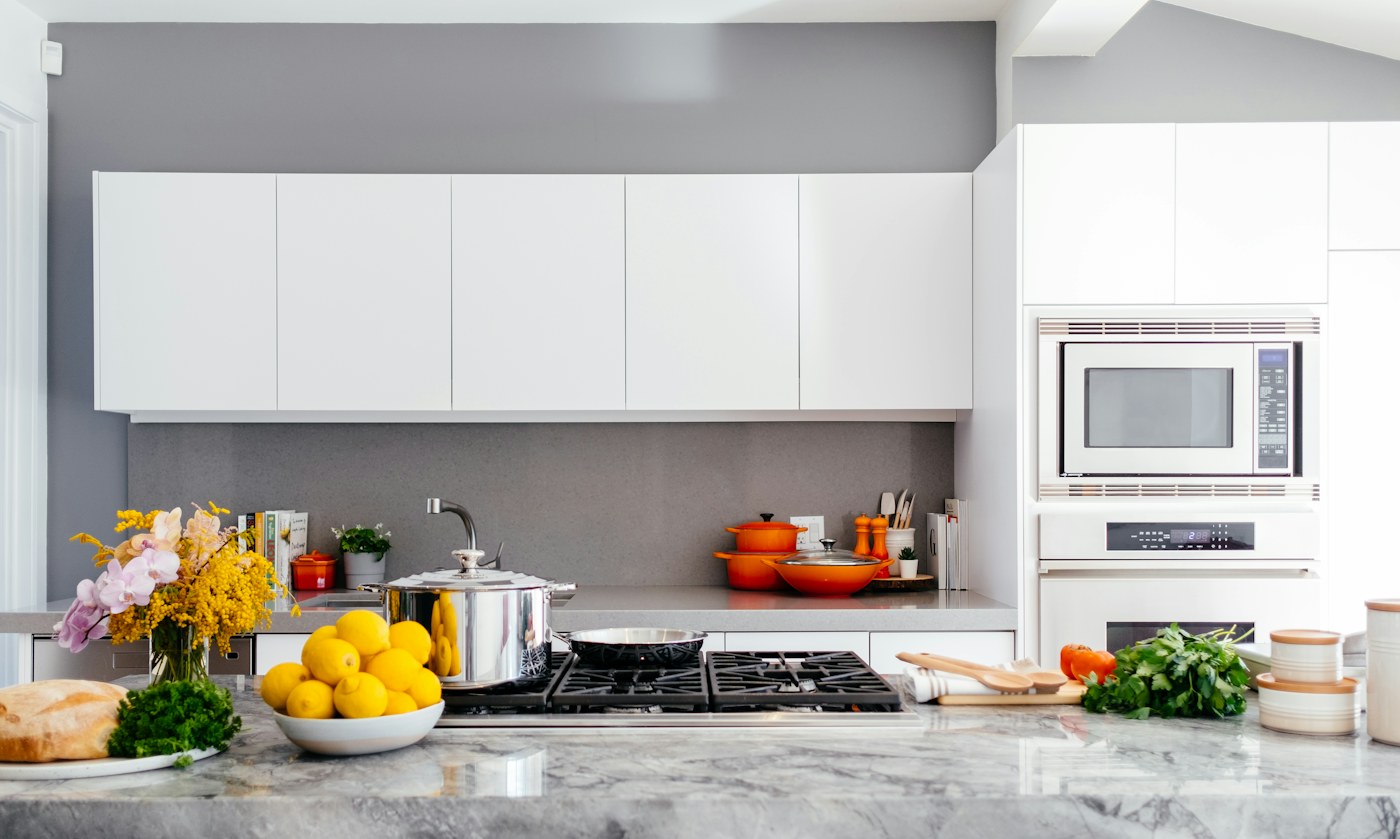
This is where open shelving genuinely performs well. A wall with two shallow shelves usually feels lighter than a wall with deep upper cabinets, especially in a narrow galley or a kitchen with limited daylight. You can see more wall, more backsplash, and more negative space.
But visual openness lasts only if the shelf itself remains visually edited. Twelve cereal boxes, brightly colored cups, vitamins, snack bags, reusable bottles, and small appliances can make an open shelf feel busier than a cabinet ever did.
My assessment: open shelving wins visual space only when inventory stays controlled. If the shelf must carry dense mixed storage, the advantage disappears.
Criterion 2: storage density
Closed cabinets are usually stronger here. Doors let you use deeper shelves, taller stacks, shelf risers, containers, and less attractive categories without turning them into part of the room’s visual design.
Open shelves work best when items are arranged with breathing room. That breathing room is exactly what a kitchen with too little storage often cannot afford. If you are working on the same space, A Laundry Hamper System for Small Homes That Stops Dirty Clothes From Moving Room to Room covers the next decision in more detail.
Criterion 3: speed of access
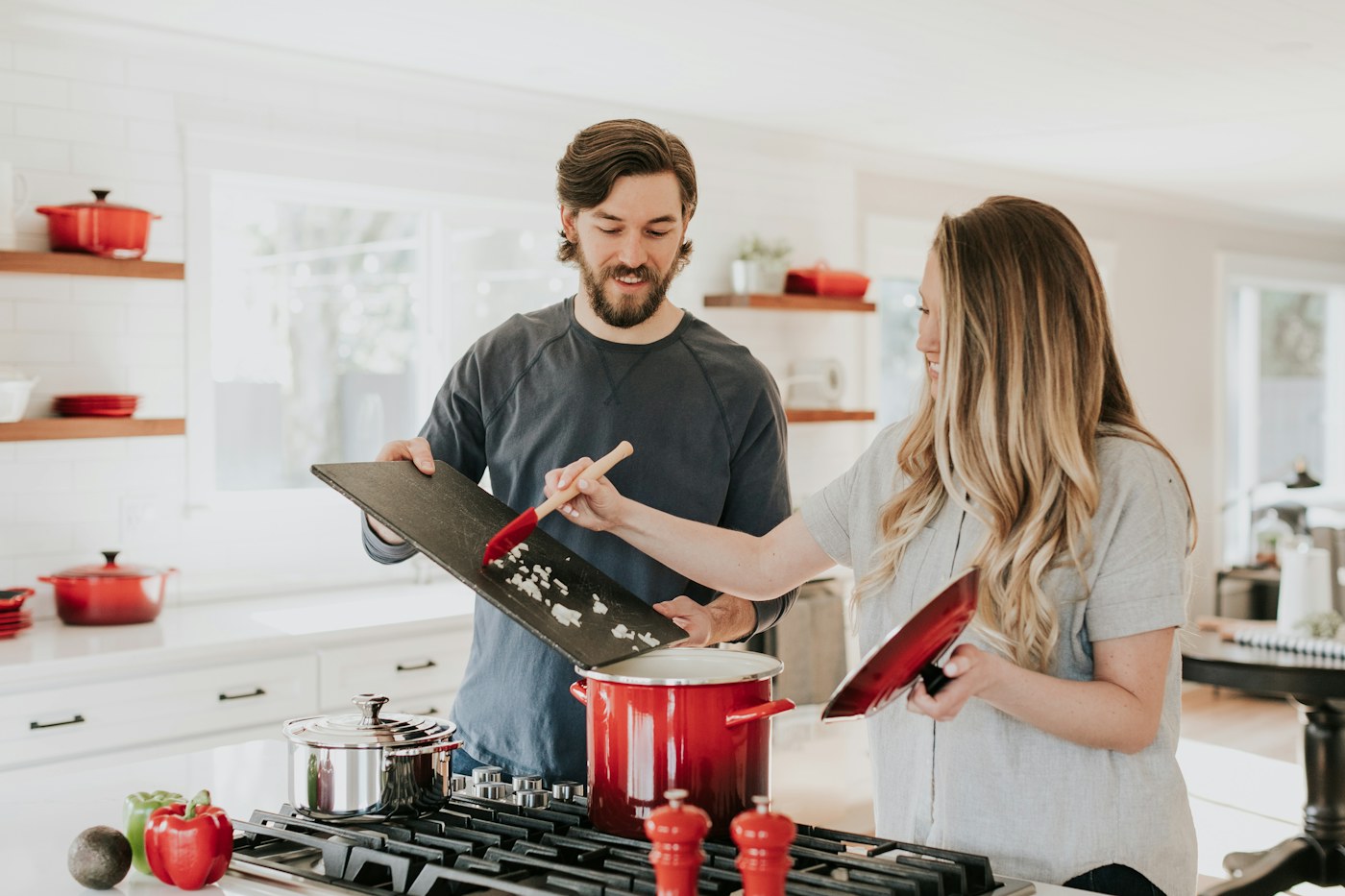
Open shelving is hard to beat for the objects you use several times a day. Plates, bowls, drinking glasses, coffee mugs, and a few cooking staples can move from shelf to hand with no door-opening and very little searching.
That is not a trivial advantage. In a kitchen where two people cook or children help set the table, visible storage can reduce questions and repeated movements.
Closed cabinets can achieve almost the same efficiency when categories are shallow and predictable. The problem is not the door; it is a cabinet with three rows of unrelated objects hiding behind one another.
If deep cabinets are your main problem, the more relevant fix may be organizing deep kitchen cabinets so nothing gets lost rather than removing the doors.
Criterion 4: cleaning burden
Open shelves collect airborne cooking residue and dust on both the shelf and the objects sitting on it. The exact rate varies by ventilation, cooking style, shelf location, and how often items are handled, but the principle is simple: exposed surfaces participate in kitchen cleaning.
Frequently used dishes are easier because they cycle through washing. Decorative serving pieces used once a month are more likely to need washing before use.
Closed cabinets protect their contents better from everyday kitchen exposure, though cabinet fronts still need cleaning.
Criterion 5: family behavior
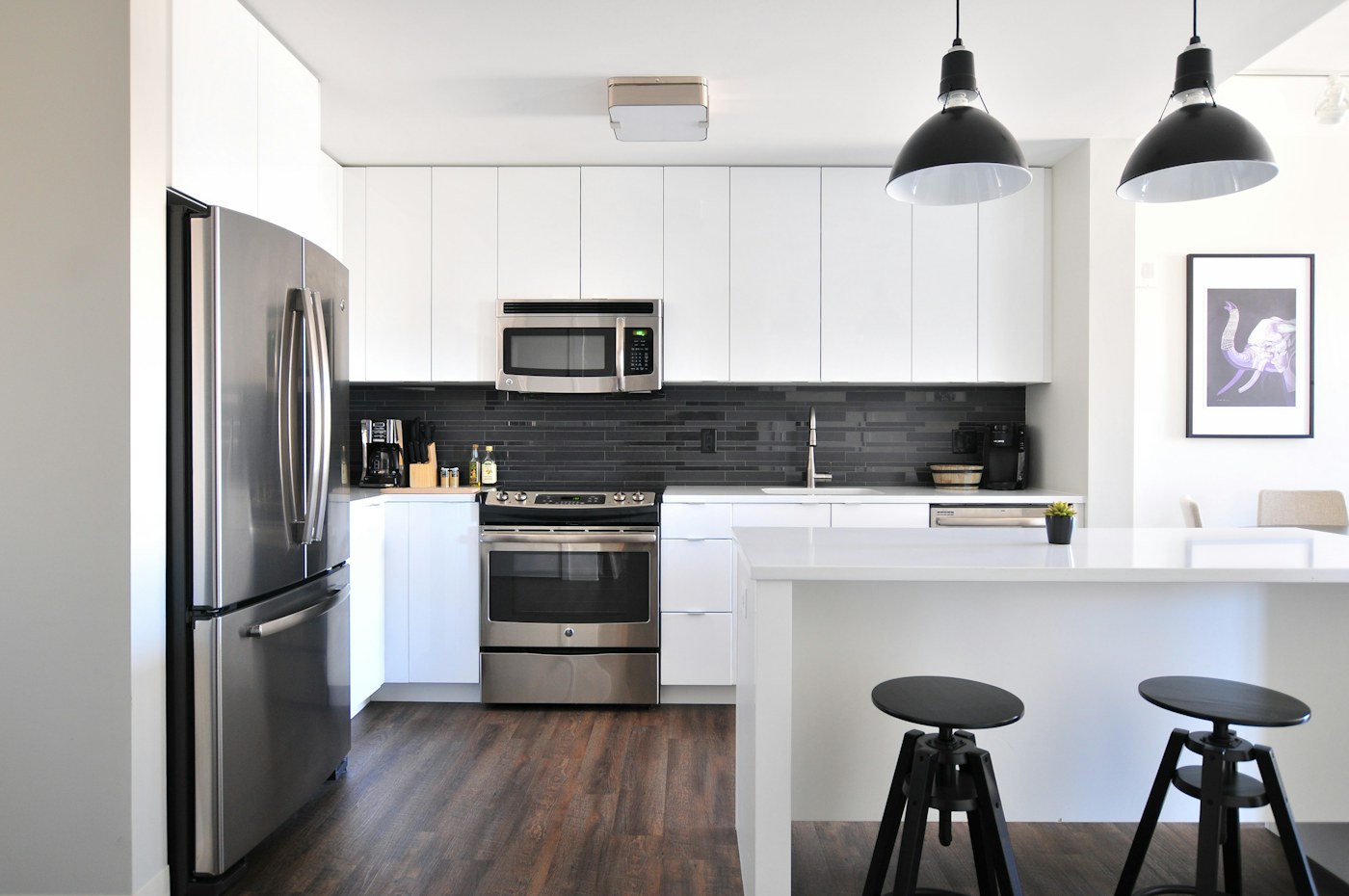
This is the factor design photos cannot show. Open shelving asks users to return items to visible positions. If one person stacks bowls neatly and another puts a lunch container sideways wherever it fits, the shelf will display that difference immediately.
Closed cabinets absorb imperfect put-away habits. That can be a benefit, not a moral failure. Family storage should be designed around the people actually using it.
For a household with children, open lower shelves can be useful for a small category they manage themselves—plates, cups, or snack bowls—while adult overflow remains behind doors.
Criterion 6: inventory flexibility
Closed storage handles change better. Holiday mugs arrive. A blender is replaced with a taller model. School lunch containers multiply in September. A family member begins baking. Cabinets can usually absorb these changes without forcing a visual redesign.
Open shelves have a narrower visual capacity. They work best when the category is stable.
The biggest mistake: using open shelves as overflow storage
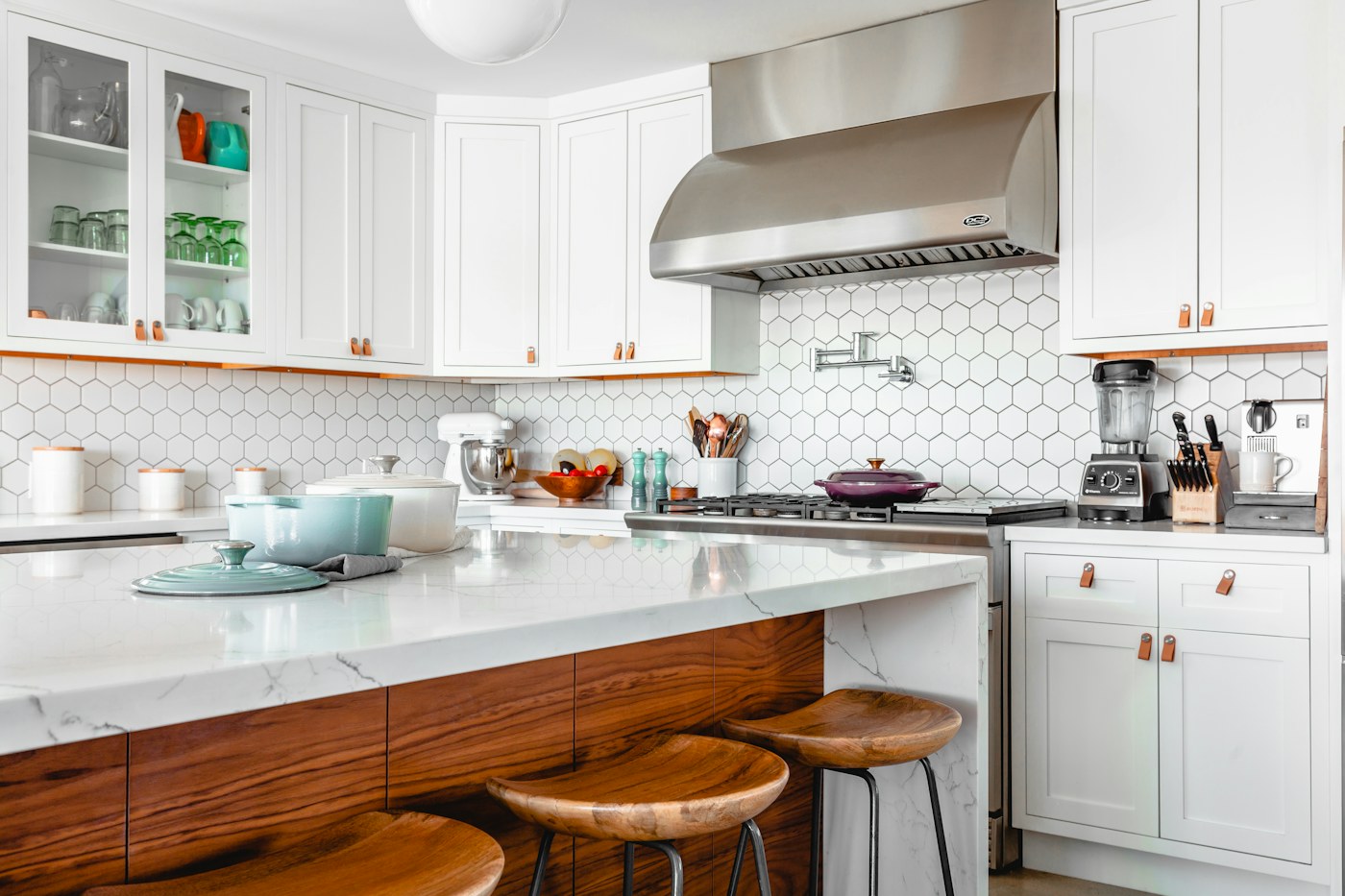
If cabinets are already full, adding shelves may seem like easy extra capacity. Sometimes it is. But if the new shelves become the place where every homeless object goes, the kitchen gains storage at the cost of permanent visual noise.
Before adding shelves, I would first review categories with unusually high volume: food-storage containers, small appliances, mugs, pantry backstock, and duplicate cookware. The site already has focused systems for food-storage containers and lids and countertop appliances; those categories often explain more clutter than the cabinet style does.
What belongs on open shelves?
Good candidates share four traits:
- used frequently,
- easy to return,
- visually coherent enough that you do not mind seeing them,
- not so numerous that the shelf becomes dense.
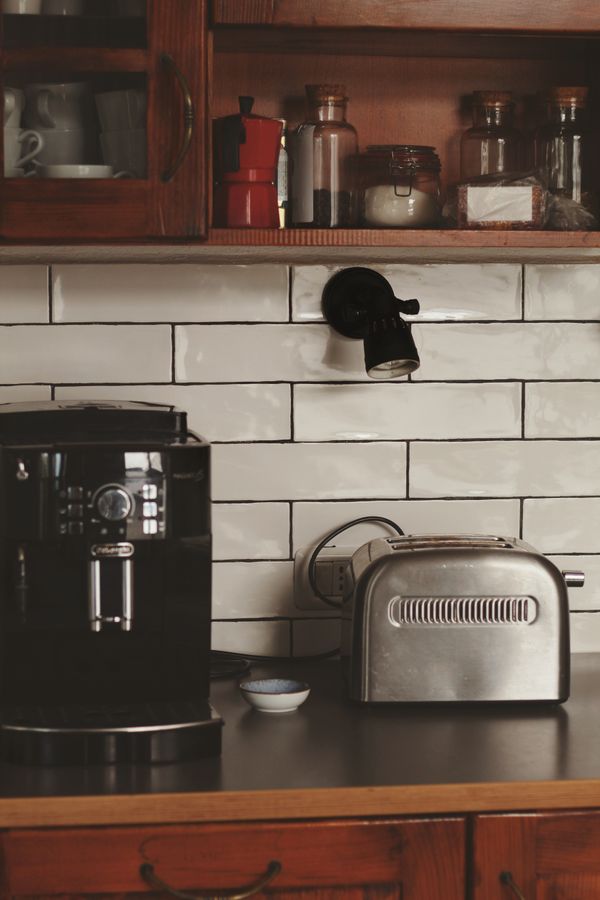
Daily plates, bowls, mugs, a small coffee setup, or a tightly edited collection of pantry jars can work. A dozen unrelated backup categories usually do not.
What belongs behind doors?
I would prioritize closed storage for visually noisy or irregular categories: food packaging, lunch gear, medications, cleaning products where appropriately stored, small appliances, bulk backstock, specialty bakeware, and family-specific items that do not need to perform as decor.
The goal is not to hide shameful clutter. It is to give complicated inventory a neutral visual container.
Open shelving in a rental: the calculation changes
Renters should consider installation rules, wall repair, load limits, and whether removing cabinet doors is permitted. A freestanding shelf or removable interior shelf riser may create better access without altering fixed cabinetry.
If the kitchen cannot be structurally changed, making a small rental kitchen work without adding cabinets is a more useful framework than chasing a renovation aesthetic.
Three household profiles
1. The visually sensitive minimalist household
You own relatively little, use the same dishes daily, and reset the kitchen consistently. Open shelving can work beautifully because your operating inventory already matches the visual limit.
2. The busy family with school and meal-prep gear
Closed cabinets are likely to earn their space. You have lunchboxes, bottles, snacks, extra dishes, small appliances, and changing seasonal needs. A small open shelf for everyday dishes may still be useful, but I would not sacrifice most upper cabinets.
3. The enthusiastic cook
You may appreciate open access near the cooking zone for frequently used ingredients and tools, while still needing substantial closed storage for equipment. A hybrid layout is often strongest.
The hybrid layout is usually the most resilient
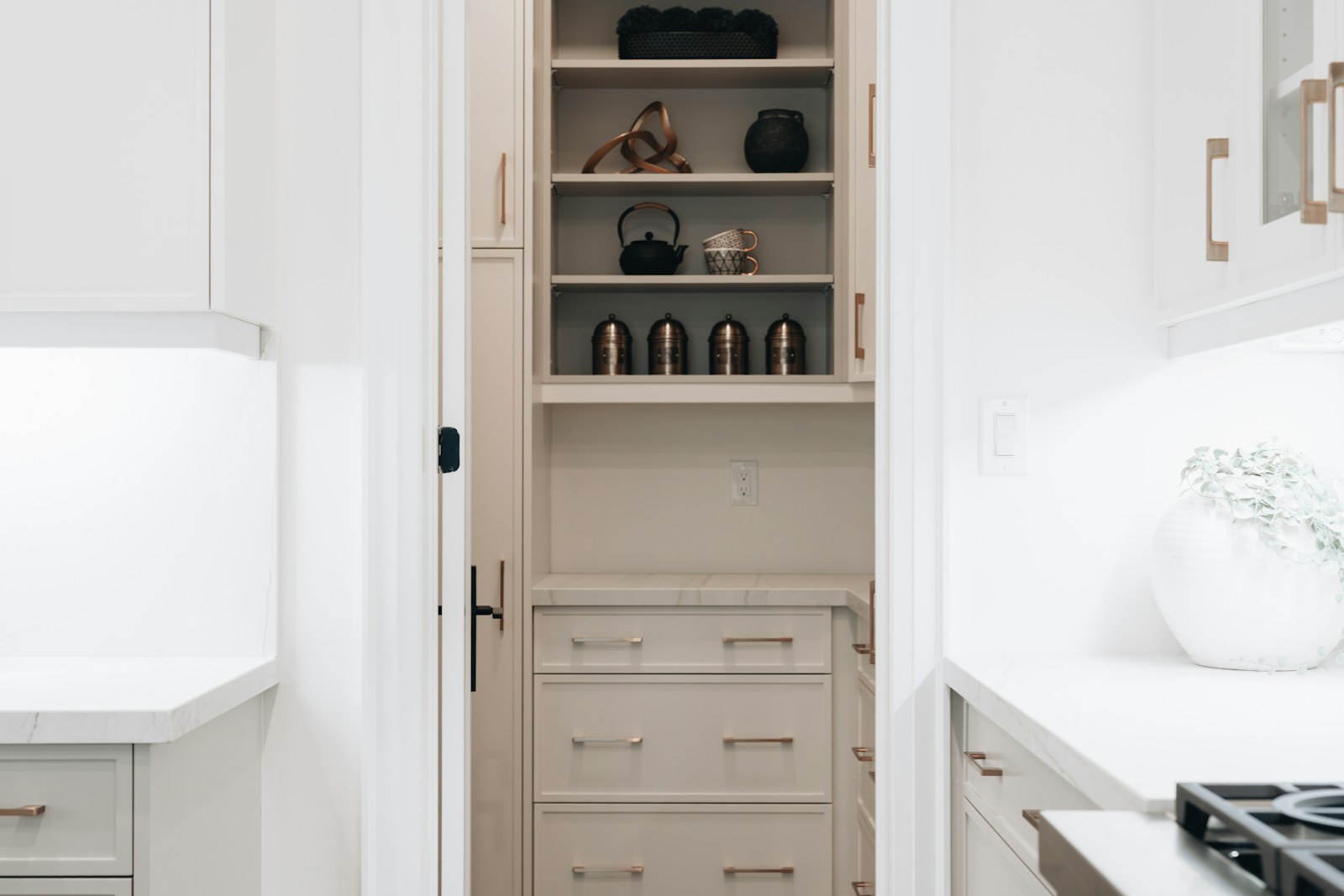
For most small family kitchens, I prefer a hybrid: closed storage for density and visual calm, plus one or two open zones where visibility genuinely improves workflow.
Examples:
- closed upper cabinets + one short coffee shelf,
- closed food storage + open everyday-dish shelf,
- closed lower cabinets + narrow rail or shelf near the stove,
- mostly closed storage + one open end shelf for high-frequency items.
This gives the kitchen visual relief without asking the entire inventory to become a display.
A practical decision scorecard
Choose more open storage if you can answer yes to most of these:
- We use the items several times a week.
- We own a limited quantity.
- We are comfortable seeing them all day.
- They are easy to wipe or wash.
- Everyone can return them consistently.
Choose more closed storage if these sound familiar:
- Our categories change throughout the year.
- We buy family-size packaging.
- We have children’s gear and lunch equipment.
- Visual clutter bothers us.
- We need maximum cubic capacity.
What changes if your kitchen is genuinely tiny?
In an extremely small kitchen, I become even more conservative about removing closed capacity. A wall may feel visually lighter after cabinets disappear, but the displaced inventory still needs somewhere to go. If it lands on the counter, refrigerator top, dining table, or a freestanding cart, the room may feel more crowded overall.
I would first calculate what the existing upper cabinets actually contain. If half the volume is duplicate mugs, rarely used serving pieces, and pantry overflow, editing may allow one cabinet section to become open shelving without creating displacement. If every cabinet contains active family inventory, preserving closed storage is usually the better trade.
What changes if you care most about resale or long-term flexibility?
Permanent open shelving commits the wall to a more visible lifestyle. Closed cabinets are more adaptable because future users can hide whatever categories they own. If you are renovating rather than making a temporary styling change, I would favor a layout that retains enough closed capacity for changing household needs.
A removable open shelf, glass-front section, or one intentionally open bay can create the lighter look without converting the entire kitchen into display storage. For the broader setup, How to Organize a Small Kitchen Utensil Drawer Without Buying a Giant Organizer is a useful next read.
Explore this topic
Browse more practical guidance in the Home Organization hub. Room focus: Kitchen.
My expert conclusion
Open shelving is not automatically more “small-space friendly.” It is more visually open, but less forgiving. Closed cabinets are not automatically bulky; they often provide the storage density that allows a small kitchen to remain calm.
If the kitchen is already short on capacity, I would not remove useful closed cabinets simply to make the wall look lighter. First reduce and reorganize the inventory. Then, if one visible shelf would improve access or make the room feel less boxed in, add that intentionally.
The best small-kitchen storage is not the system that photographs best on installation day. It is the system that still works when groceries arrive, school starts, dinner is late, and nobody has the energy to style a shelf.