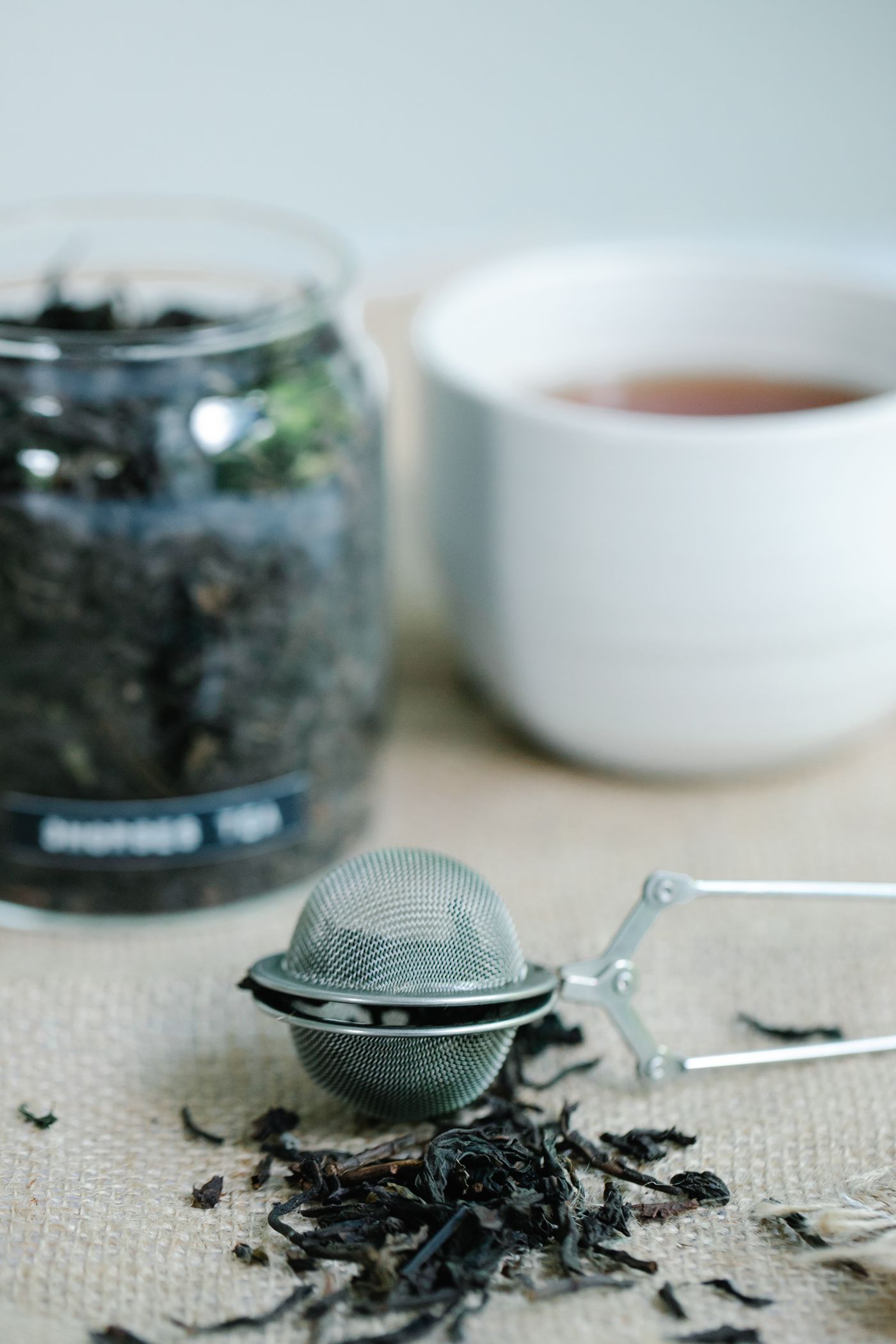
A reusable tea infuser is only ready for the next cup when the old leaves are gone from the parts that matter. The outside may look clean while fragments remain behind a rim, inside a hinge, or across fine mesh. Closing it while damp can also turn the tea drawer into a place where an unfinished cleaning job waits until the next break.
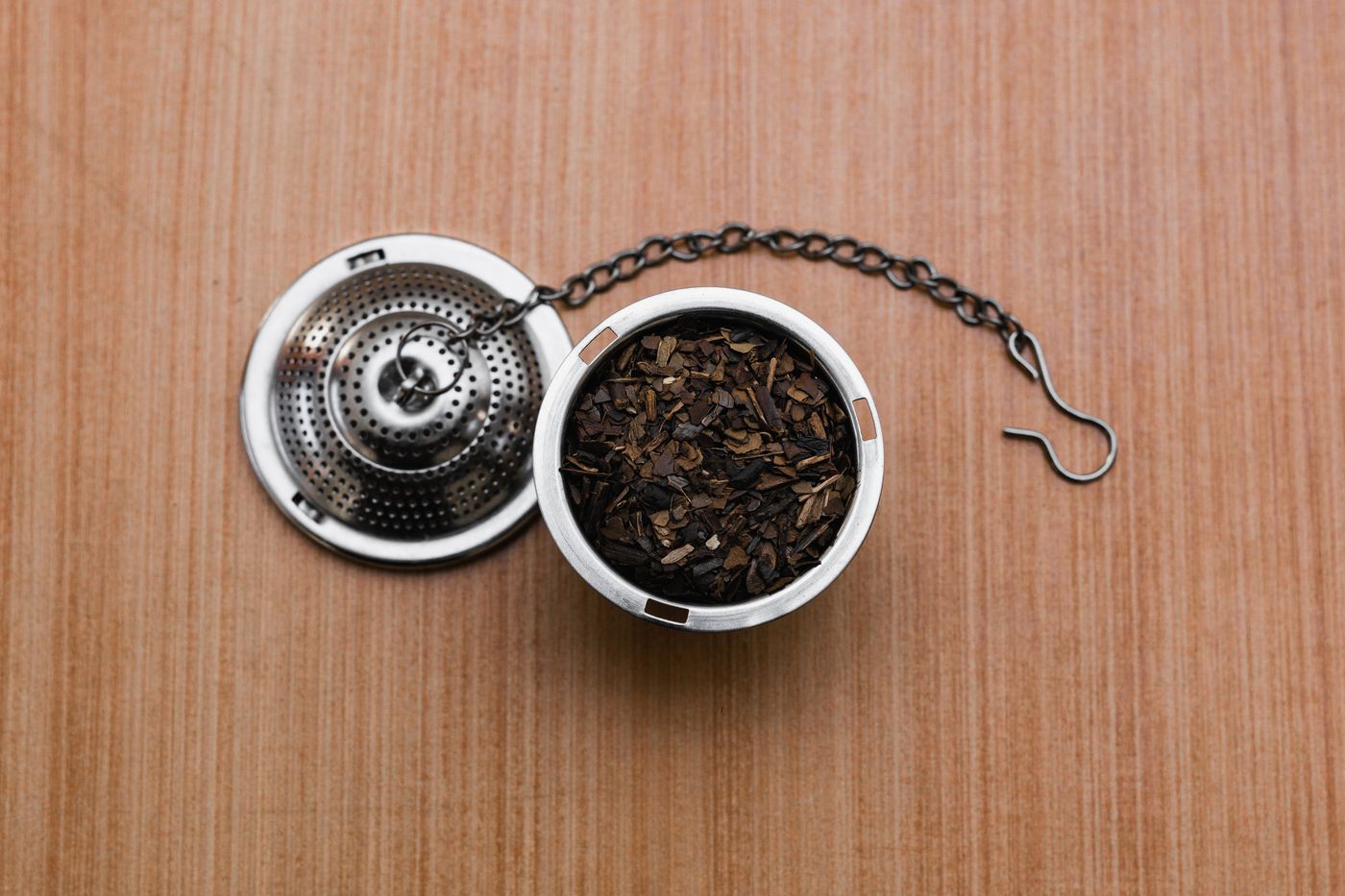
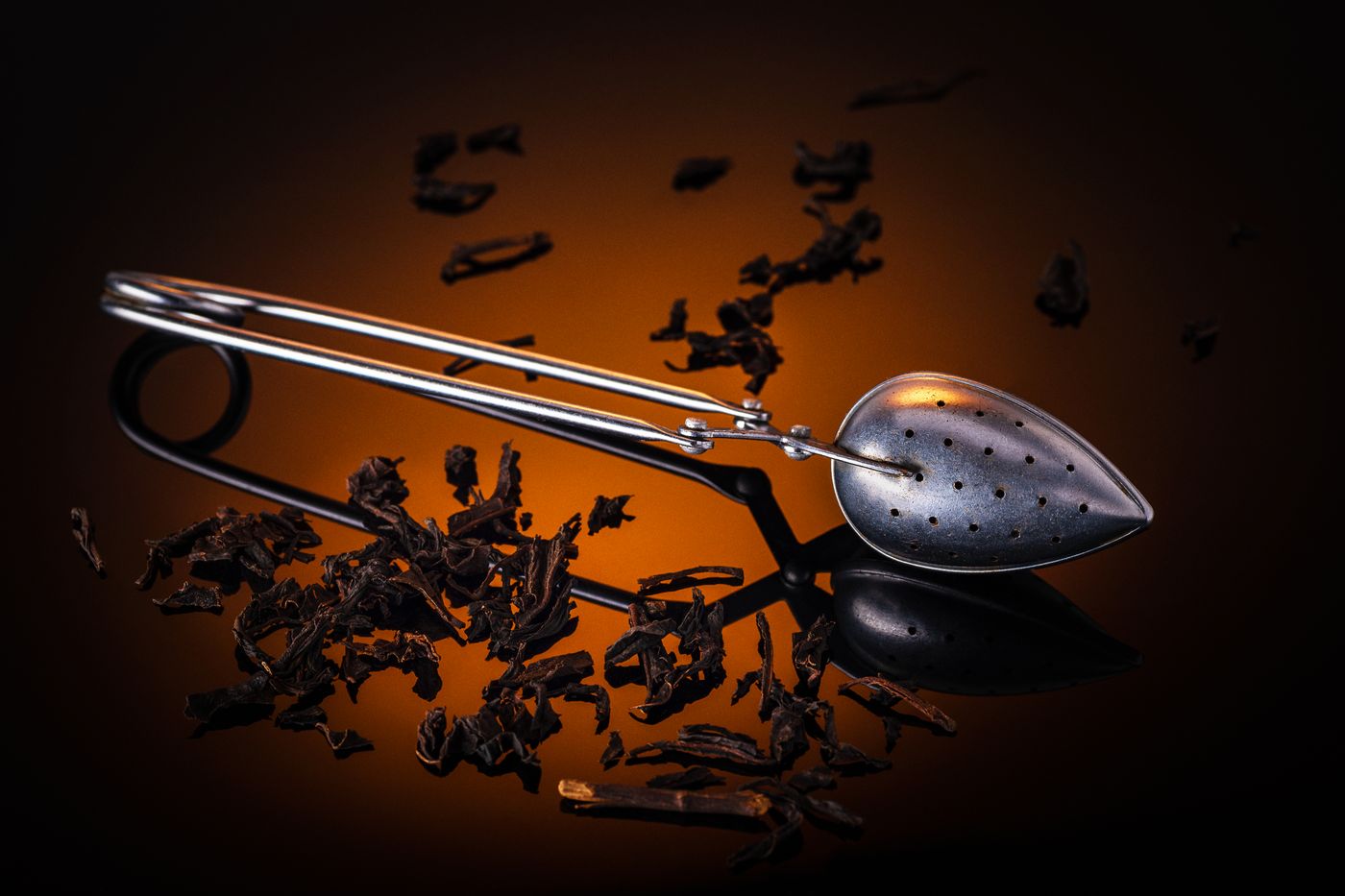
Make the routine follow the infuser’s construction: empty, open as intended, clean every permitted surface, inspect, and dry before storage. A mesh basket, perforated spoon, chain-linked ball, and twist-opening model may need different handling even when they all look like small stainless-steel tools.
Pinterest’s fall 2026 feature includes at-home drink-making. This article applies that interest to maintaining an existing tea tool. It does not claim that loose-leaf tea or a particular infuser model has a verified October search ranking, and the photographs illustrate different constructions rather than a tested comparison.
Identify the whole tool, including handles and seals
Find the product name and care information if available. Look for mixed materials: metal mesh may sit inside a plastic frame, a lid may have a separate grip, and a decorative chain end may not share the basket’s care limits. Treat the assembled object according to its actual instructions.
Check how it is meant to open. A latch, spring, twist handle, or removable lid should operate normally without being forced. Do not pry a mesh edge apart because a seam resembles an opening. If a part no longer moves as intended, consult the maker rather than increasing pressure on the thin metal.
OXO’s Twisting Tea Ball is one named example: its product page identifies a twist-opening design and dishwasher suitability. Those details apply to that model. They do not establish that every metal infuser can go through a dishwasher or that the stock-photo tools shown here are OXO products.
For another reusable tool with a narrow interior, our drinking-straw cleaning guide considers access, complete cleaning, and drying. An infuser’s mesh and moving parts make its own instructions the relevant starting point.
Let the used infuser become safe to handle, then empty it
Follow the product’s use instructions after brewing and allow hot components to become safe to handle. Set the infuser in a suitable place while it waits, rather than balancing a loaded ball on a cup edge or touching hot metal to begin cleanup sooner.
Open the tool as intended and remove the leaves into an appropriate waste route. Keep the bulk material out of the drain. Local disposal rules and what was brewed determine the suitable route; do not assume every tea blend and attached component belongs in a compost container.
A soft permitted utensil may help release accessible leaves, but avoid scraping thin mesh with a knife or forcing material through it. Work from the intended opening. If the tool includes a detachable part, keep that component accounted for instead of letting it disappear into the sink with the leaves.
Emptying is a separate step from washing. A stream of water over a packed infuser can move some fragments while leaving a compacted layer at the bottom. Starting with an accessible empty interior makes it easier to see whether the cleaning process reaches the whole tool.
Give the mesh and perforations gentle, complete access
Use the maker-approved cleaning method and product. For a hand-washable tool, use an appropriate soft cleaning aid that reaches the interior without catching or distorting the mesh. Keep the tool supported while cleaning rather than pressing its thinnest area against a hard sink fitting.
Inspect the junction between the mesh and frame. Small leaves can lodge around that boundary even when the open center looks clear. Check perforated cups from both sides under good light, and clean the surfaces accessible through the intended opening.
Do not insert a pin or needle into every hole as a routine shortcut. A sharp tool can change the mesh or leave damage that is hard to notice. If residue does not release through the permitted process, ask the maker about an appropriate next step instead of escalating through improvised abrasives or strong mixtures.
The silicone baking-mat care guide offers another example of separating a product’s actual cleaning limits from its general material description. Neither “silicone” nor “stainless steel” tells you everything about the assembled tool.
Clean lids, catches, and handles without forcing disassembly
Check the parts touched during loading, closing, and removal from the cup. A handle can retain residue even when the tea itself stayed inside the basket. Include accessible lid surfaces, catches, and chain attachments in the approved routine.
Remove only components intended to be detached by the user. A visible joint is not necessarily a serviceable part. Keep springs and closures intact unless the instructions explicitly describe their removal, and avoid bending a latch to make cleaning easier.
When the tool is clean, check that the closure still works normally before using it again. Look for bent mesh, a loose component, or a sharp edge. Cleaning does not repair those problems. Use the maker’s replacement or support guidance when the tool is no longer in suitable condition.
For a lid or separate drip cup, keep it connected to the tool’s identity during drying. Several similar pieces can be mixed when a household owns more than one infuser. A lid that appears to fit is not automatically the intended match.
Use the dishwasher only when the exact product allows it
Follow the infuser and dishwasher instructions for placement and any required containment of small parts. The aim is to expose permitted surfaces to the cycle while keeping components secure and accounted for. Do not infer a rack position or detergent requirement from another brand’s product page.
Empty the leaves first and use the intended open or separated configuration where the instructions require it. After the cycle, inspect the interior rather than assuming that a successful machine run means every trapped fragment is gone. Reclean through the approved method if necessary.
Check small detachable parts before clearing the machine. If a component cannot be located or reassembled normally, resolve that before the next use. A reusable tea tool should return as a complete working object, not as a clean-looking basket missing its closure.
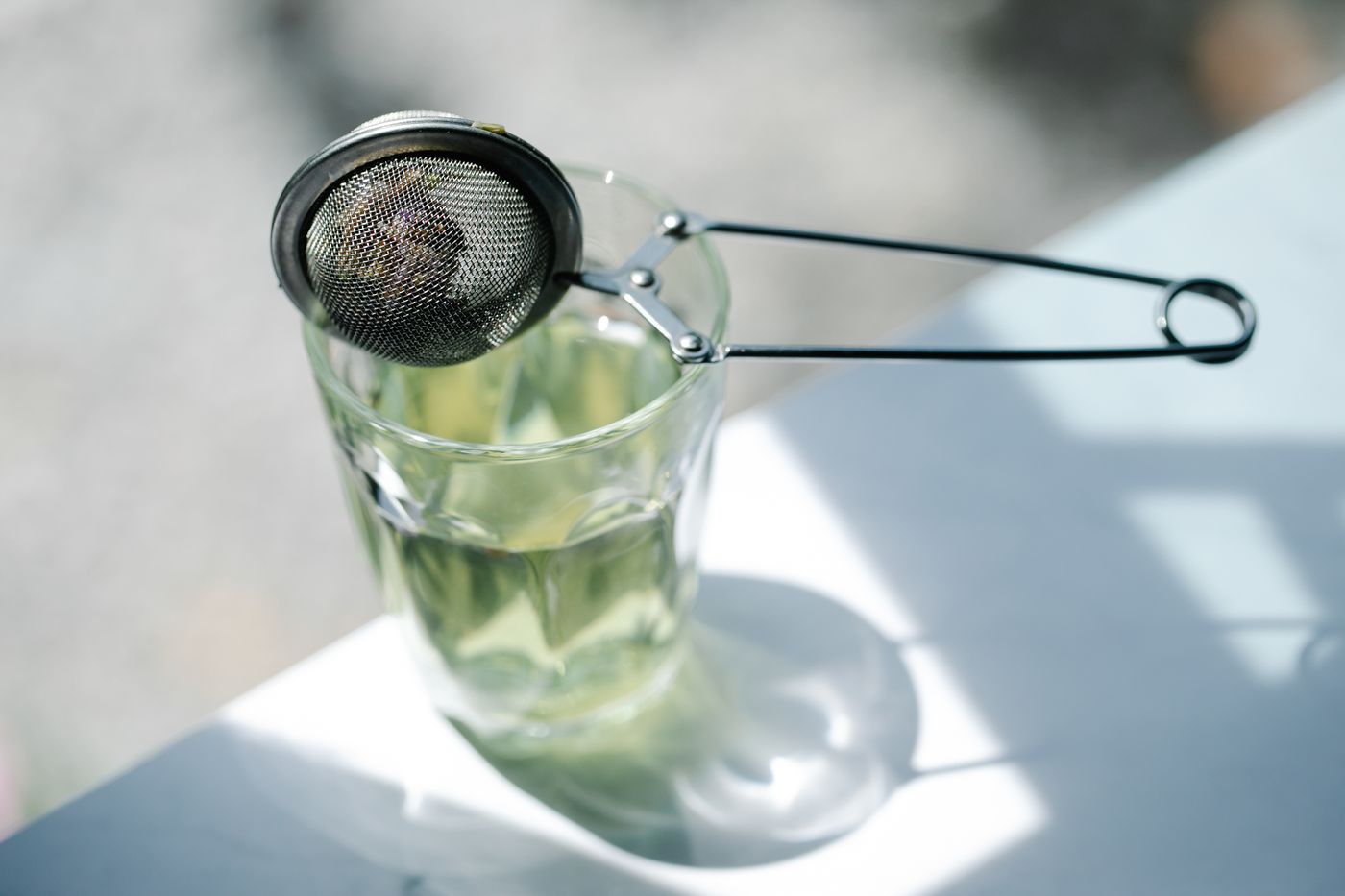
Dry the parts before returning them to a closed drawer
Give moisture a route out in a stable suitable drying position, following the tool’s directions. A closed ball or nested lid may hide the damp area. Do not pack the infuser tightly into a sleeve simply because the handle feels dry.
Keep drying tools separate from unrelated household cleaning equipment. The reusable grocery-bag routine also treats drying as a complete step before storage, although its material-care methods are different. The shared principle is to avoid labeling a damp item as ready just to clear the counter.
Once dry, store the tool where it can be retrieved without snagging its mesh or tangling a chain through other utensils. Keep any matching drip cup with it, while preserving enough space that the thin surfaces are not compressed under heavier kitchen tools.
Make the next cup start with an inspection instead of a repair
Before loading new leaves, check that the infuser is empty, in suitable condition, and closes as intended. If the household keeps finding old fragments, change the cleaning access or the return routine rather than masking the issue by buying more infusers.
Our ice-tray cleaning and refill guide is useful for another kitchen object whose ready condition includes all parts and a finished return step. Both routines work best when the next user does not inherit the previous user’s unfinished task.
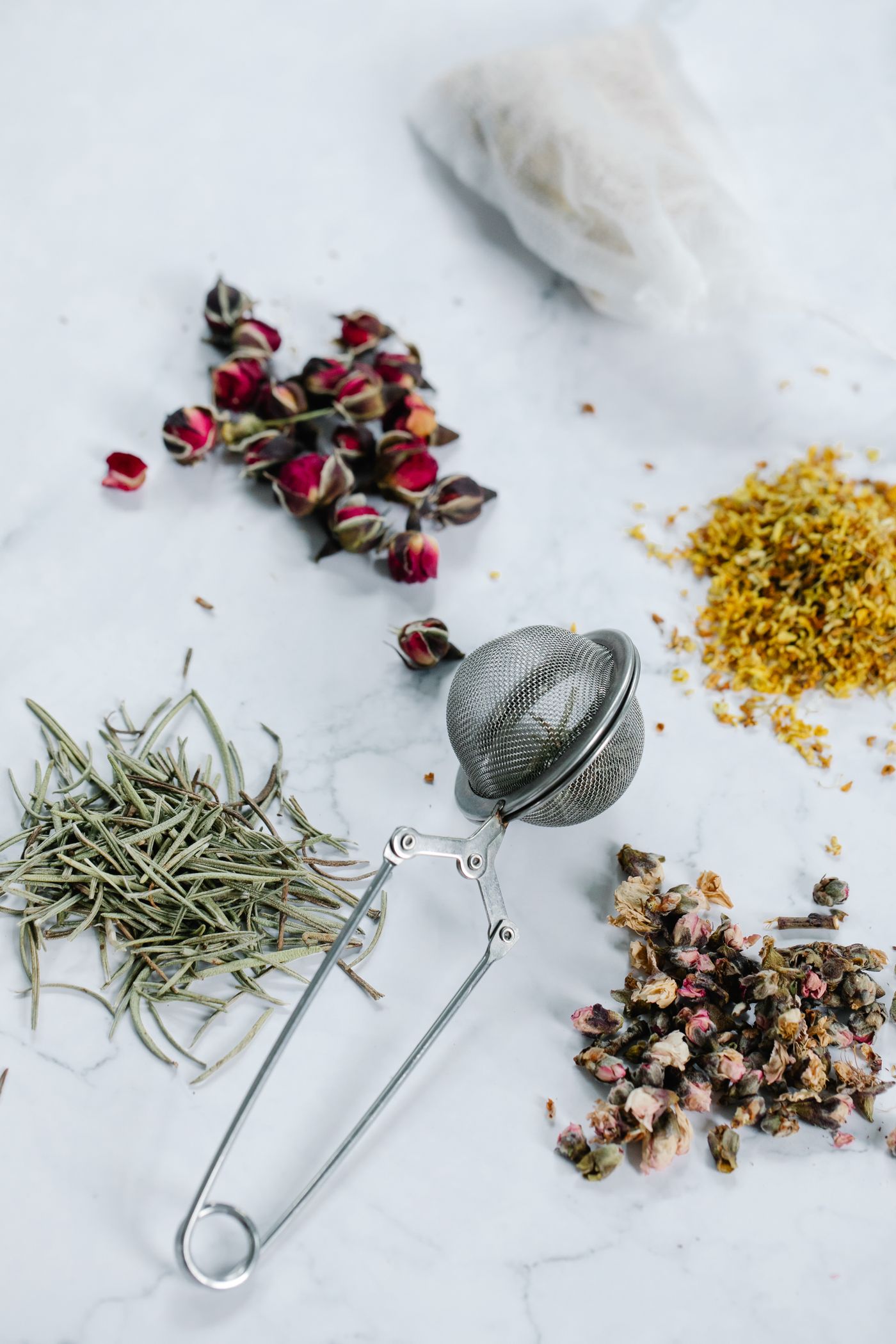
The useful result is simple: a complete, clean, dry tool that opens and closes normally. A tea corner becomes easier to maintain when this small cycle is finished after use, with the infuser’s own construction and care instructions guiding the process.
Explore related household decisions in our Cleaning hub.
Sources and editorial scope
Editorial research checked October 17, 2026. Trend-report dates and limitations are stated in the article; these are editorial applications of published signals, not verified October keyword rankings. Practical household guidance; illustrations do not document a tested household or authenticate a pictured material.