Deep cleaning a small home sounds easy because there is less square footage. In practice, compact homes can be harder to deep-clean because every room does several jobs at once. The dining table is also a work surface. The living room stores toys. The kitchen holds daily appliances on limited counters. Laundry equipment may share space with a bathroom, hallway, or closet. For the broader setup, How to Keep Laundry From Taking Over a Small Home is a useful next read.
That is why an effective small-home deep-cleaning checklist should not be a giant list of every surface in the house. It should help you decide what deserves attention now, what can rotate to another week, and what actually makes the home feel cleaner when you finish.
The system below uses four rounds:
Reset → High-impact zones → Hidden buildup → Finish and restore.
You can complete all four in one longer session, or split them across several days. The goal is a realistic deep clean, not an eight-hour cleaning marathon.
Before you start: define what “deep clean” means today
Routine cleaning keeps the home usable. Deep cleaning handles the buildup that regular wiping, vacuuming, and bathroom cleaning do not fully reach.
For a small home, that usually means some combination of:
- moving lightweight objects to clean underneath,
- cleaning edges, corners, and tracks,
- wiping vertical surfaces that collect grease or fingerprints,
- vacuuming under accessible furniture,
- refreshing washable textiles,
- cleaning appliance exteriors and neglected contact points,
- removing stale clutter that blocks cleaning access,
- checking moisture-prone or odor-prone areas.
You do not need to empty every cabinet, wash every wall, move every heavy appliance, and clean every window on the same day.
Use the three-priority test
Before choosing tasks, look for three things:
Priority 1: buildup that affects function
Examples include a greasy stovetop, a bathroom fan cover packed with dust, a sticky refrigerator shelf, or a floor edge that is collecting debris.
Priority 2: buildup that affects comfort
This includes dust behind furniture, stale sofa throws, grimy cabinet handles, dirty baseboards in visible rooms, and entryway dirt.
Priority 3: buildup that is mostly cosmetic
Examples include the top of a tall cabinet, decorative shelves in a rarely used room, or a window track you cannot see unless you look closely. You may also find How to Organize Toys in a Small Living Room Without Making It Look Like a Playroom useful for a closely related small-home problem.
Start with priorities 1 and 2. If you still have time and energy, add priority 3.
Round 1: reset the home before you deep-clean it
Deep cleaning becomes much slower when you are also deciding where every object belongs. Spend 10–15 minutes restoring basic order first.
- Put obvious trash and recycling out.
- Move dirty dishes to the sink or dishwasher.
- Return loose laundry to hampers.
- Put toys into their main storage zone.
- Clear floors enough to vacuum.
- Clear one working surface for cleaning supplies.
- Open or run ventilation where appropriate for the products and tasks you are using.
Do not reorganize drawers or closets during this round. The purpose is to create cleaning access.
Round 2: deep-clean the high-impact zones
If you only finish one round today, make it this one. These areas influence how the whole home feels.
Kitchen: clean the grease-and-food zone first
Start where cooking residue accumulates:
- stovetop and control area,
- backsplash near the cooking zone,
- cabinet fronts around the stove,
- range hood exterior,
- counter edges and corners,
- sink rim and faucet base,
- frequently handled appliance fronts.
Work top to bottom so loosened dust or crumbs fall onto surfaces you have not cleaned yet.

Then choose one appliance interior, not all of them. For example:
- microwave interior,
- one refrigerator shelf or drawer zone,
- toaster crumb tray,
- dishwasher filter if your manufacturer recommends user cleaning.
This keeps the session realistic while still reaching beyond ordinary daily cleaning.
Bathroom: focus on moisture and buildup
A deep bathroom clean should go beyond a quick sink-and-toilet reset without turning into a renovation project.
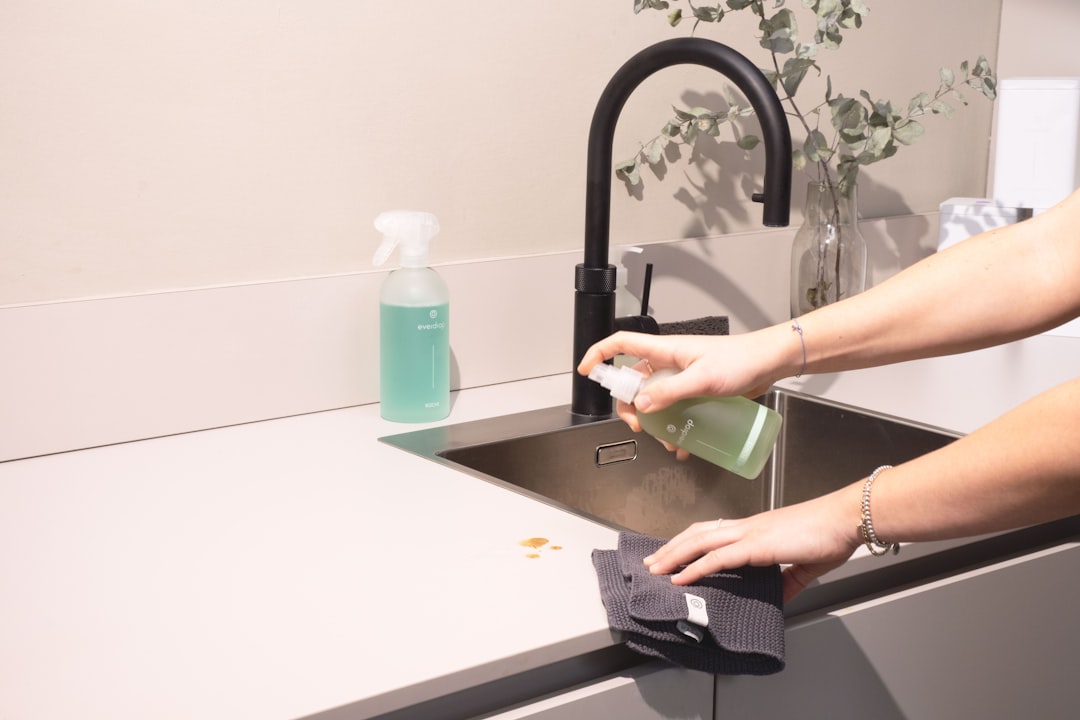
- Clean the sink, faucet base, and drain area.
- Clean toilet exterior, seat, hinges, and surrounding floor.
- Clean shower or tub edges, corners, and tracks.
- Wash or clean the shower curtain/liner according to its care instructions.
- Wash the bath mat if appropriate.
- Dust or clean accessible exhaust-fan cover surfaces.
- Check for recurring dampness or visible buildup that routine cleaning misses.
If visible mold, persistent moisture, or a leak keeps returning, treat that as a moisture problem rather than simply scrubbing harder.
Living room: clean where dust and crumbs hide
Do not start by dusting every decorative item. Start with the places that affect the room most:
- vacuum sofa seams and under removable cushions,
- wash frequently used throws according to care labels,
- dust media console and main open surfaces,
- vacuum under the front edge of the sofa,
- clean around furniture legs,
- wipe frequently touched tables and handles.

Bedroom: reset textiles and floor edges
Bedrooms often need less scrubbing and more attention to textiles and dust traps.
- Change bedding.
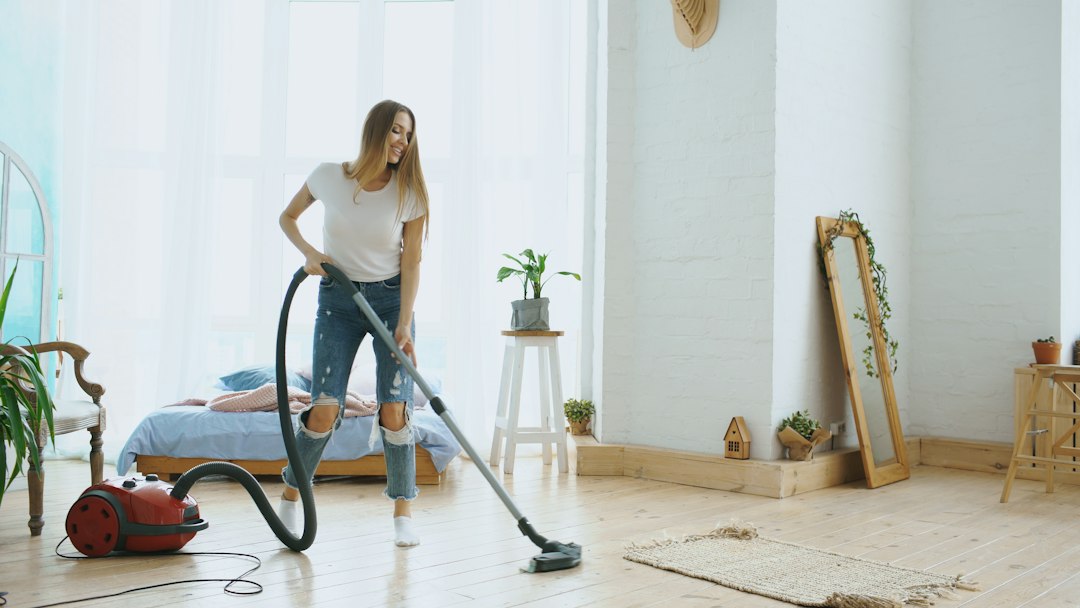
- Vacuum under the accessible bed area.
- Dust the headboard and nightstands.
- Clean lamp bases and reachable window ledges.
- Vacuum closet floor if accessible.
- Return clean laundry to storage before it becomes another pile.
If your drawers are too full to put away one normal load of laundry easily, that is a storage-capacity problem worth solving separately.
Entryway: remove the dirt that enters the house
- Vacuum or clean the entry mat.
- Clean floor edges near the door.
- Wipe the inside area around the door handle if visibly marked.
- Remove shoes that are out of season.
- Empty bags or baskets that have become drop zones.
This small area often deserves more attention than a rarely used spare corner because every person passes through it.
Round 3: tackle hidden buildup without moving the whole house
Now choose a limited number of hidden dirt zones. The key word is limited.
Pick two furniture zones
Examples:
- under the sofa,
- under the bed,
- behind a lightweight side table,
- under a movable storage bench.
Do not move furniture that is too heavy or unsafe to handle.
Pick one wall-edge zone
Choose one room for:
- baseboards,
- door frame edges,
- window ledges,
- floor corners.
Next month, choose another room. This creates a rotating deep-clean system instead of a whole-house baseboard marathon.
Pick one storage zone
Choose just one:
- under-sink cabinet,
- one pantry shelf,
- one bathroom drawer,
- one entry basket,
- one closet floor.
Remove obvious trash, wipe the accessible surface, and return only what belongs there. Stop before you turn the task into a full decluttering project.
Pick one fabric zone
Depending on care instructions and household use:
- wash a sofa throw,
- clean a washable rug,
- vacuum upholstery,
- refresh curtains according to manufacturer instructions,
- wash pet bedding.
Round 4: finish from high to low
Once the detailed work is done, finish in an order that prevents re-cleaning.
- Dust remaining high surfaces.
- Wipe main horizontal surfaces.
- Vacuum floors.
- Mop appropriate hard floors.
- Put cleaning tools away.
- Return moved objects to intentional locations.
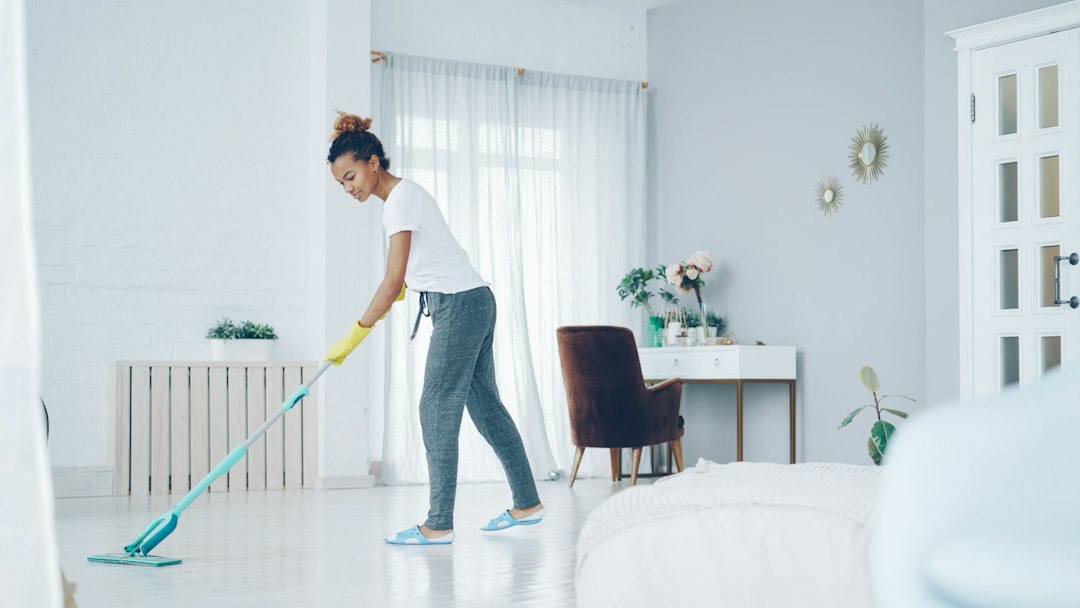
This is where the home begins to feel finished. Deep cleaning details matter, but clean floors and restored surfaces create the visible payoff.
A realistic room-by-room deep-cleaning checklist
Kitchen
- ☐ Wipe cabinet fronts around high-use zones
- ☐ Clean backsplash near stove and sink
- ☐ Detail-clean stovetop
- ☐ Wipe appliance exteriors and handles
- ☐ Clean sink rim and faucet base
- ☐ Clean one appliance interior
- ☐ Check refrigerator for spills and expired food
- ☐ Clean trash-bin exterior/interior as needed
- ☐ Vacuum floor edges
- ☐ Mop floor
Bathroom
- ☐ Detail sink and faucet area
- ☐ Clean toilet hinges and exterior
- ☐ Clean tub/shower edges and tracks
- ☐ Wash bath mat as appropriate
- ☐ Clean curtain/liner according to care instructions
- ☐ Dust accessible exhaust cover
- ☐ Clean floor edges
- ☐ Check for moisture or leaks
If you need the maintenance version rather than the deep-clean version, use our 10-minute small bathroom cleaning routine.
Living room
- ☐ Vacuum sofa seams
- ☐ Clean under removable cushions
- ☐ Wash frequently used throws
- ☐ Dust main surfaces and electronics exterior
- ☐ Vacuum under accessible furniture
- ☐ Clean floor edges and corners
- ☐ Wipe visible marks on tables and furniture
Bedroom
- ☐ Change bedding
- ☐ Vacuum mattress area according to manufacturer guidance
- ☐ Dust headboard and nightstands
- ☐ Vacuum under bed
- ☐ Clean reachable window ledges
- ☐ Vacuum closet floor
- ☐ Clear clean-laundry backlog
Entryway
- ☐ Clean mat
- ☐ Vacuum or mop floor
- ☐ Wipe visible door marks
- ☐ Remove excess shoes
- ☐ Empty drop-zone baskets
- ☐ Clean floor corners
Laundry area
- ☐ Wipe appliance exteriors
- ☐ Clean detergent drips
- ☐ Vacuum or clean floor edges
- ☐ Clear empty bottles and excess supplies
- ☐ Clean lint area according to appliance instructions
- ☐ Reset drying rack and baskets
The 60-minute version
If you only have one hour, choose high-impact work:
- 10 minutes: reset clutter and trash.
- 15 minutes: kitchen detail zone.
- 15 minutes: bathroom detail zone.
- 10 minutes: sofa, rugs, or bedroom dust traps.
- 10 minutes: vacuum and mop key floors.
Skip windows, closets, and decorative dusting. A focused hour is still a legitimate deep clean.
The 90-minute version
Add:
- one appliance interior,
- one under-furniture zone,
- one washable textile task,
- one baseboard or window-ledges zone.
This is often enough for a compact apartment or small family home to feel significantly reset.
The two-hour version
Use the first 90 minutes above, then add:
- one storage zone,
- one closet floor,
- one extra fabric task,
- one seasonal detail such as window tracks or range-hood components.
Stop at two hours unless you intentionally planned a longer project. Deep cleaning is more sustainable when it has a clear finish line.
What not to do during a deep clean
These tasks can quietly derail the entire session:
- emptying every cabinet at once,
- starting a major decluttering project,
- reorganizing sentimental items,
- moving unsafe heavy furniture,
- mixing cleaning chemicals,
- using the same cleaning method on every surface,
- starting five laundry loads you cannot finish.
Follow product labels and surface-care instructions. Do not mix cleaning products unless the label explicitly tells you to do so.
Use a monthly rotation instead of waiting for spring cleaning
A small home stays easier to manage when deeper tasks rotate.
| Week | Deep-clean focus |
|---|---|
| Week 1 | Kitchen grease zones + one appliance |
| Week 2 | Bathroom moisture zones + textile refresh |
| Week 3 | Living room upholstery + under furniture |
| Week 4 | Bedroom/entry storage + floor edges |
Then use seasonal cleaning for windows, curtains, rarely accessed storage, and larger maintenance tasks.
How deep cleaning changes with kids
Children concentrate mess at lower heights. Spend more time on:
- floor edges around eating areas,
- toy-storage bottoms,
- door-level fingerprints,
- under sofas where toys and snacks disappear,
- bathroom step stools,
- entryway school-gear zones.
You do not necessarily need to clean the entire home more deeply. You need to deep-clean the child-height activity zones more intelligently.
How deep cleaning changes with pets
Pets shift priority toward:
- sofa and rug edges,
- pet bedding,
- feeding areas,
- entry mats,
- baseboards where hair collects,
- under furniture.
Again, clean the high-impact pet zones rather than automatically increasing every task in the house.
When to deep-clean a small home
There is no single perfect interval. A practical pattern is to complete routine cleaning weekly, rotate one deeper zone every few weeks, and schedule broader seasonal resets a few times per year.
Deep-clean sooner when:
- grease or residue is visibly accumulating,
- odor persists after routine cleaning,
- dust is building behind or under furniture,
- moisture-prone areas are staying damp,
- storage zones are blocking basic cleaning access.
If you want a complete frequency framework, use How Often Should You Clean Everything in a Small Home? as the parent cleaning schedule once that article is published. If you are working on the same space, How Often Should You Clean Everything in a Small Home? covers the next decision in more detail.
Frequently asked questions
Do I need to deep-clean the whole house in one day?
No. A rotating deep-clean is often more realistic for a small home. Kitchen this week, bathroom next week, upholstery and furniture edges after that can be more sustainable than one exhausting marathon.
Should I declutter before deep cleaning?
Do a short functional reset first, but avoid turning the session into a full decluttering project. Remove obvious trash and return loose items so you can reach the surfaces you actually need to clean.
What room should I deep-clean first?
Start with the zone that creates the biggest functional or comfort problem. For many homes, that is the kitchen or bathroom. In a pet-heavy home, floors and upholstery may matter more.
How long should a deep clean take in a small apartment?
A useful focused session can be 60–120 minutes. The time depends more on buildup, household size, pets, children, and how much clutter blocks surfaces than on square footage alone.
What is the difference between weekly cleaning and deep cleaning?
Weekly cleaning maintains the surfaces you use most. Deep cleaning reaches edges, corners, appliance details, under-furniture areas, textiles, and slower buildup that routine cleaning does not fully address.
A realistic deep clean should leave the home easier to maintain
The best deep-cleaning checklist for a small home is not the longest one. It is the one that removes meaningful buildup without creating three new unfinished projects. For a related step-by-step approach, see How to Keep a Small Home Smelling Fresh Without Constantly Cleaning.
Reset first. Clean the high-impact zones. Choose a limited number of hidden areas. Finish from high to low. Rotate the deeper tasks you skip today into the next session.
If you end with a usable kitchen, refreshed bathroom, cleaner floors, fewer dust traps, and clear access to the spaces you use every day, the deep clean worked.
You do not need to clean everything. You need to clean the things that make the rest of the home easier to live in.
Sources
- When and How to Clean and Disinfect Your Home — CDC — https://www.cdc.gov/hygiene/about/when-and-how-to-clean-and-disinfect-your-home.html